New report sheds light on why young Asian Americans are 40% more likely to develop allergies
Read Original Source
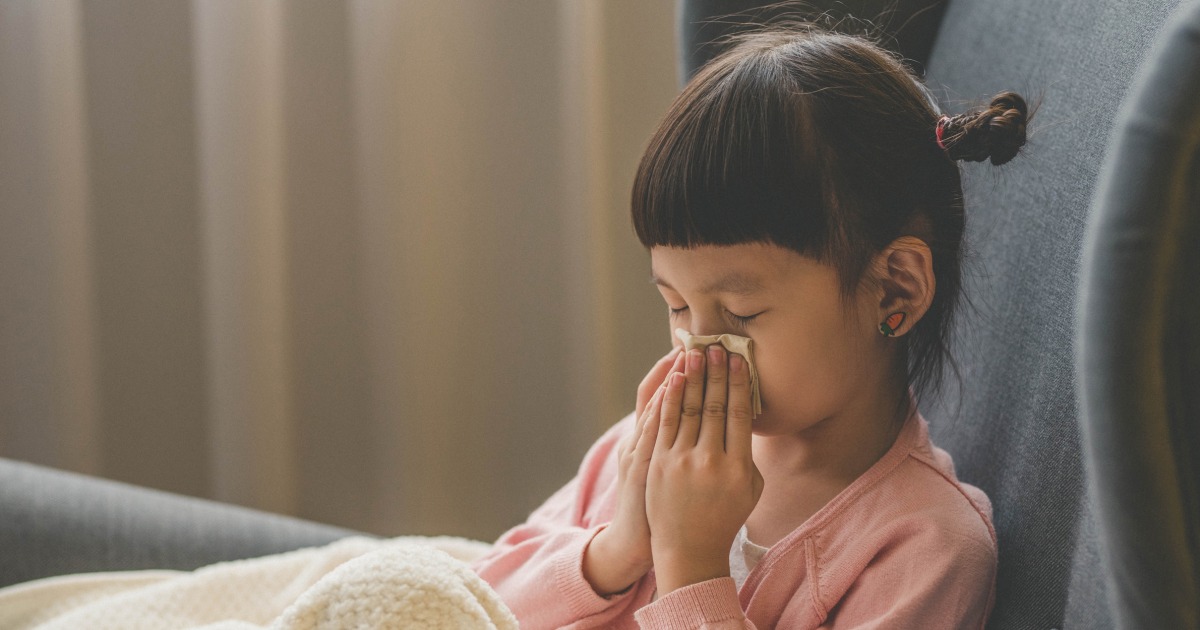
When Sharon Wong’s son was 4 months old, his skin erupted in itchy red patches, and he developed wheezing coughs that lingered for weeks. His first pediatrician dismissed the symptoms as a recurring cold. Then one evening, as a toddler, Wong’s son ate a spoonful of Thai-inspired peanut soup, triggering him to retch and claw at his stomach. Panicked, Wong called her new pediatrician, who recognized the signs of anaphylaxis.
AI Summary
Main Idea: A Stanford University study finds that Asian American children, especially some subgroups, face higher food allergy risk, while families like Sharon Wong’s are working to manage the health and cultural challenges.
Key Points:
- The Stanford study analyzed nearly half a million California pediatric records and found wide differences in allergy rates among Asian American groups.
- Filipino, Vietnamese, Native Hawaiian, and Pacific Islander children were among the most affected, while Indian American children had lower rates.
- Doctors say genetics alone cannot explain the pattern, and they suspect a mix of genes, diet, and environment may play a role.
- Families often face delayed diagnosis, language barriers, and cultural stress around food, but some parents are pushing for better awareness, treatment, and school access to EpiPens.
Impact on the People
Negative Impact
More children may face dangerous allergic reactions, missed diagnoses, and higher stress for families, schools, and hospitals.
Positive Impact
Stanford University research could help doctors spot higher-risk groups sooner and improve allergy care, education, and EpiPen access.
How did each entity affect people?
Rate how each entity in this article affected the American people.
- Primary:Stanford Universityeducational / research institution
- Major:Sharon Wongperson
Candidate Entities6 candidates · 5 weighted vote min · 70% decision
- Stanford Universityeducational / research institutionPrimaryEvaluated
Central research institution behind the study that the article is built around.
Include 0 (0%)Ignore 0 (0%)5 to threshold - Sharon WongpersonMajorEvaluated
Parent whose family experience with childhood food allergies anchors the article’s human example.
Include 0 (0%)Ignore 0 (0%)5 to threshold - Dr. Anna Chen ArroyopersonContextCandidate
Stanford allergist quoted on diagnosis barriers and family experiences.
Include 0 (0%)Ignore 0 (0%)5 to threshold - Dr. Latha PalaniappanpersonContextCandidate
Stanford physician quoted about gene-environment hypotheses and health disparities.
Include 0 (0%)Ignore 0 (0%)5 to threshold - Dr. Ruchi GuptapersonContextCandidate
Named allergist and researcher quoted for context on the broader allergy trend and research gaps.
Include 0 (0%)Ignore 0 (0%)5 to threshold - Northwestern Universityeducational / research institutionContextCandidate
Institutional affiliation of a quoted expert providing supporting context.
Include 0 (0%)Ignore 0 (0%)5 to threshold
Comments 0
Comments here are the same thread shown when this article appears in The Pulse.
No comments on this article yet.
Sign in to comment