Israel and Hamas agree in principle to ceasefire, hostage deal, sources say
Read Original Source
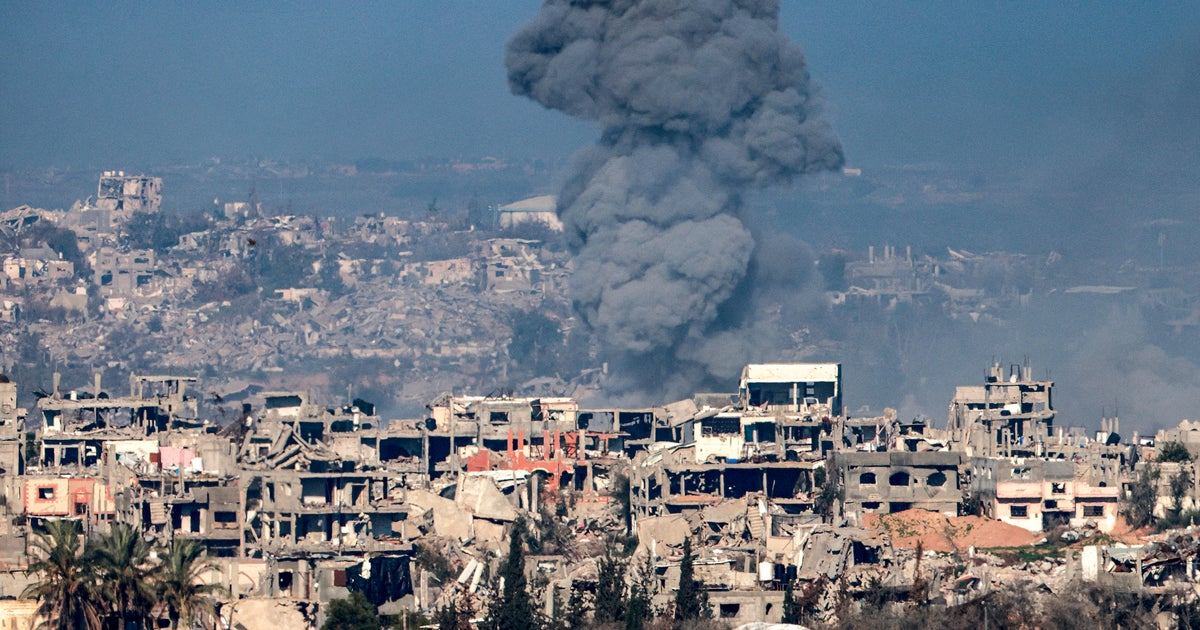
A draft deal for a ceasefire in Gaza and hostage release has been agreed to in principle and, if all goes well, will be finalized by Israel and Hamas this week, Arab, U.S. and Israeli officials told CBS News. If final details are approved, and the Israeli government also votes to approve it shortly thereafter, implementation of the deal could begin this weekend, U.S. and regional sources said.
AI Summary
Main Idea: A ceasefire and hostage-release deal in Gaza is reportedly close, with President Joe Biden’s team trying to finalize it before he leaves office and President-elect Donald Trump likely to oversee its next steps.
Key Points:
- Sources say Israel and Hamas have agreed in principle to a draft deal, but final approval is still needed.
- The first phase would bring a 42-day ceasefire, hostage releases, prisoner swaps, and more aid into Gaza.
- Later phases would cover the release of more hostages, the withdrawal of Israeli forces, and Gaza’s reconstruction.
- Talks have been held in Doha with U.S., Qatari, and Egyptian mediation, but major issues are still unresolved.
Impact on the People
Negative Impact
US taxpayers may face continued costs if the ceasefire talks fail and Washington must keep funding diplomacy, aid, and security support for the region.
Positive Impact
A ceasefire and hostage deal could lower war risk, ease oil and shipping costs, and let more aid reach Gaza, which may help US consumers and markets.
How did each entity affect people?
Rate how each entity in this article affected the American people.
- Primary:Hamaspolitical organization
- Primary:President Joe Bidenperson
Candidate Entities9 candidates · 5 weighted vote min · 70% decision
- Hamaspolitical organizationPrimaryEvaluated
Primary nonstate actor in the ceasefire and hostage negotiations and a central party to the deal.
Include 0 (0%)Ignore 0 (0%)5 to threshold - President Joe BidenpersonPrimaryEvaluated
Central U.S. president whose ceasefire push and final-days diplomacy are a major focus of the article.
Include 0 (0%)Ignore 0 (0%)5 to threshold - Israeli Prime Minister Benjamin NetanyahupersonPrimaryAI selected
Key decision-maker for Israel whose approval is needed for the ceasefire and hostage deal.
Include 0 (0%)Ignore 0 (0%)5 to threshold - President-elect Donald TrumppersonPrimaryAI selected
Incoming president whose team is expected to oversee implementation of the deal, making him a central focus.
Include 0 (0%)Ignore 0 (0%)5 to threshold - Brett McGurkpersonMajorAI selected
Named White House Mideast adviser actively working to close the deal and coordinating negotiations.
Include 0 (0%)Ignore 0 (0%)5 to threshold - Jake SullivanpersonMajorAI selected
Named national security adviser giving central on-the-record commentary about the negotiations.
Include 0 (0%)Ignore 0 (0%)5 to threshold - Mossadgovernment agency or bodyMajorAI selected
Israeli intelligence agency directly involved through its director in finalizing the agreement.
Include 0 (0%)Ignore 0 (0%)5 to threshold
Comments 0
Comments here are the same thread shown when this article appears in The Pulse.
No comments on this article yet.
Sign in to comment