Supreme Court to hear church-state fight over Oklahoma bid to launch first publicly funded religious school
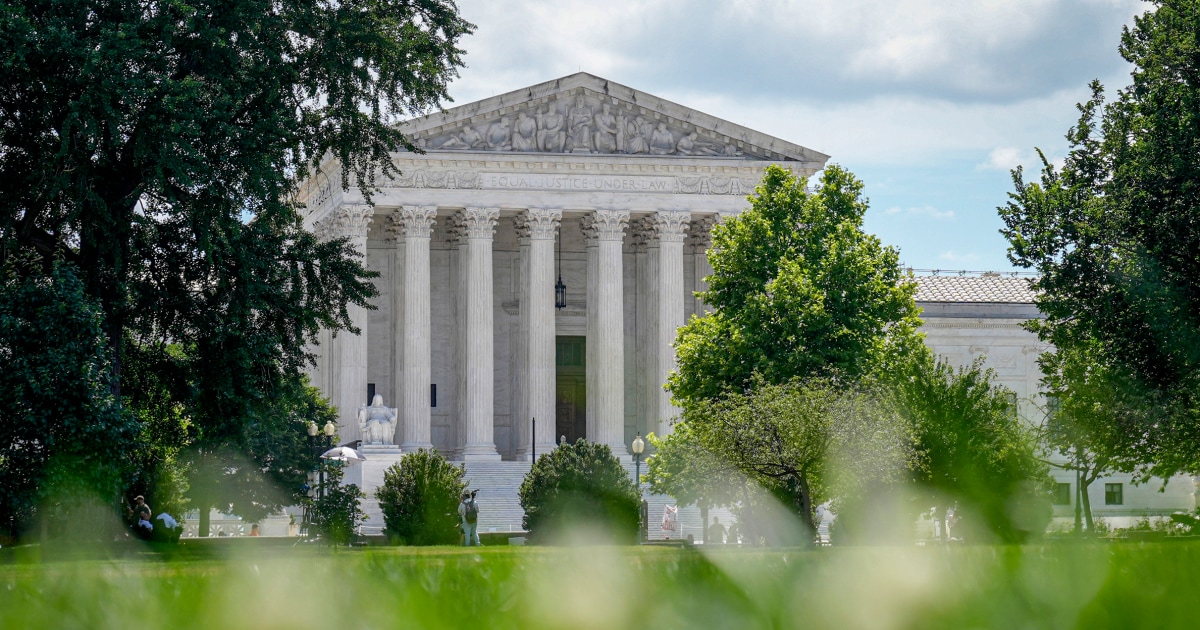
Read Original Source
WASHINGTON — In a sign that the barrier between church and state could be further weakened, the Supreme Court on Friday agreed to hear a bid by Oklahoma officials to approve the nation’s first publicly funded religious charter school. Limited time: Save 25% on NBC News subscription Get exclusive reporting, live Q&As and ad-free reading. The court, which has a 6-3 conservative majority that consistently backs religious claims, will hear a dispute over the proposed St.
AI Summary
Main Idea: The Supreme Court agreed to hear a case over whether Oklahoma can approve the nation’s first publicly funded religious charter school, after the Oklahoma Supreme Court said the plan was unconstitutional.
Key Points:
- The school at the center of the case is St. Isidore of Seville Catholic Virtual School, a proposed online Catholic charter school.
- Oklahoma’s top court ruled that the school would break state and federal rules by using public money for a religious school.
- Supporters say blocking the school violates religious freedom, while opponents say the state cannot fund or run a sectarian school.
- The case adds to recent Supreme Court rulings that have expanded religious rights in public programs and schools.
Impact on the People
Negative Impact
A ruling for Oklahoma could let taxpayer money support religious schools, which may raise costs and new church-state fights for households and voters.
Positive Impact
A ruling for the school could give families another public school choice and more online options.
How did each entity affect people?
Rate how each entity in this article affected the American people.
- Primary:Oklahoma Supreme Courtgovernment agency or body
- Primary:St. Isidore of Seville Catholic Virtual Schooleducational / research institution
- Primary:Supreme Courtgovernment agency or body
Candidate Entities10 candidates · 5 weighted vote min · 70% decision
- Oklahoma Supreme Courtgovernment agency or bodyPrimaryEvaluated
Lower court whose ruling is being reviewed and is central to the dispute.
Include 0 (0%)Ignore 0 (0%)5 to threshold - St. Isidore of Seville Catholic Virtual Schooleducational / research institutionPrimaryEvaluated
Proposed publicly funded religious charter school at the center of the article.
Include 0 (0%)Ignore 0 (0%)5 to threshold - Supreme Courtgovernment agency or bodyPrimaryEvaluated
Central decision-maker that agreed to hear the case and is the main institutional focus.
Include 0 (0%)Ignore 0 (0%)5 to threshold - Alliance Defending Freedomnonprofit / NGOMajorAI selected
Legal group representing the state board and playing a key role in the case.
Include 0 (0%)Ignore 0 (0%)5 to threshold - Archdiocese of Oklahoma Citynonprofit / NGOMajorAI selected
Religious institution that proposed the school and is a central party to the case.
Include 0 (0%)Ignore 0 (0%)5 to threshold - Attorney General Gentner DrummondpersonMajorAI selected
Named state official opposing the plan and leading the legal challenge.
Include 0 (0%)Ignore 0 (0%)5 to threshold - Diocese of Tulsanonprofit / NGOMajorAI selected
Co-proposer of the school and a major party in the dispute.
Include 0 (0%)Ignore 0 (0%)5 to threshold
Comments 0
Comments here are the same thread shown when this article appears in The Pulse.
No comments on this article yet.
Sign in to comment