Colombia turns away military deportation flights from U.S., officials say
Read Original Source
The White House said Sunday that Colombia has agreed to all of President Donald Trump’s terms after Trump threatened to impose sweeping retaliatory measures against it, including tariffs and visa sanctions, after it denied entry to two U.S. military deportation flights. Limited time: Save 25% on NBC News subscription Get exclusive reporting, live Q&As and ad-free reading.
AI Summary
Main Idea: Colombia briefly turned away U.S. military deportation flights, then agreed to accept deported Colombians after President Donald Trump threatened tariffs and other penalties.
Key Points:
- The White House said Colombia accepted Trump’s terms, including taking back deported nationals on U.S. military aircraft without delay.
- Trump had threatened tariffs, visa sanctions, travel bans, and other punishments after the flights were denied entry.
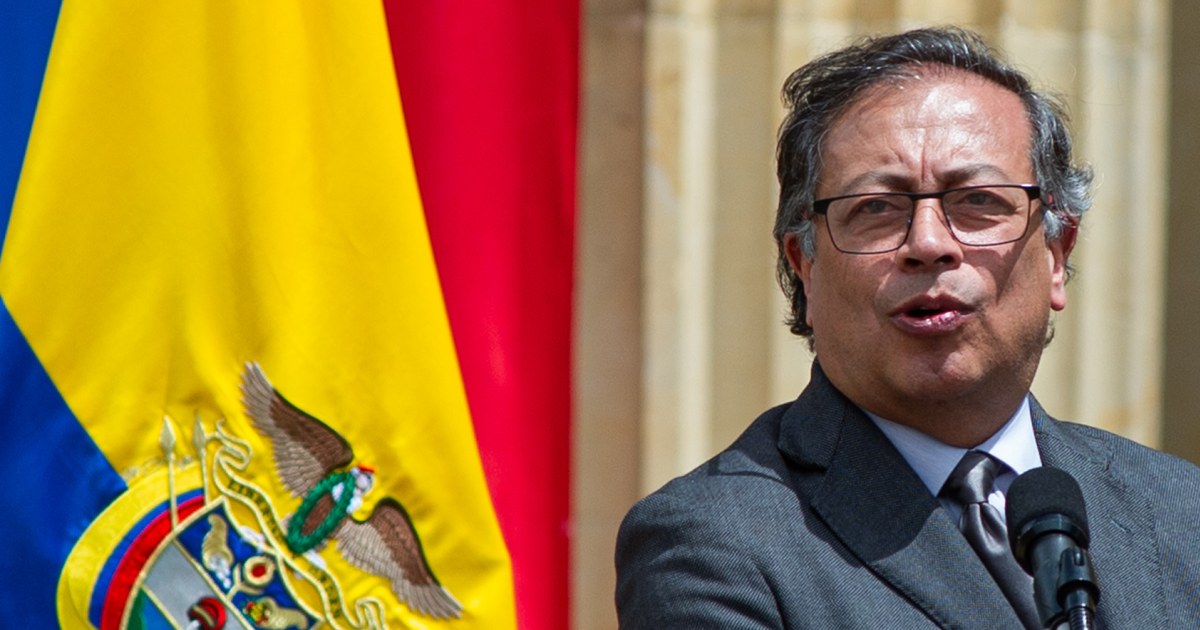
- President Gustavo Petro said Colombia would receive its citizens but wanted them returned in dignified conditions, not on military planes.
- The dispute raised tensions over immigration enforcement and trade, with both countries warning of economic fallout.
Impact on the People
Negative Impact
Trade fights with Colombia could raise prices for US shoppers, hurt some exporters and importers, and create more tension over immigration policy.
Positive Impact
A deal to keep deportation flights moving could reduce diplomatic conflict and give more certainty to businesses and travelers.
How did each entity affect people?
Rate how each entity in this article affected the American people.
- Primary:President Donald Trumpperson
- Primary:President Gustavo Petroperson
Candidate Entities8 candidates · 5 weighted vote min · 70% decision
- President Donald TrumppersonPrimaryEvaluated
Central actor whose threat of tariffs, visa sanctions, and other retaliatory measures drives the article.
Include 0 (0%)Ignore 0 (0%)5 to threshold - President Gustavo PetropersonPrimaryEvaluated
Colombia’s president whose decision to halt the flights and response to Trump are central to the story.
Include 0 (0%)Ignore 0 (0%)5 to threshold - Department of Defensegovernment agency or bodyMajorAI selected
U.S. agency whose official confirmed the military flights and their denial.
Include 0 (0%)Ignore 0 (0%)5 to threshold - United StatescountryMajorAI selected
The other central country in the diplomatic and trade confrontation.
Include 0 (0%)Ignore 0 (0%)5 to threshold - Luis Gilberto MurillopersonContextCandidate
Colombian foreign affairs minister who publicly explained Colombia’s position and next steps.
Include 0 (0%)Ignore 0 (0%)5 to threshold - Secretary Karoline LeavittpersonContextCandidate
Named White House press secretary delivering the administration’s statement on the agreement.
Include 0 (0%)Ignore 0 (0%)5 to threshold - U.S. Customs and Border Protectiongovernment agency or bodyContextCandidate
Agency whose enhanced inspections were part of the retaliatory measures announced by Trump.
Include 0 (0%)Ignore 0 (0%)5 to threshold
Comments 0
Comments here are the same thread shown when this article appears in The Pulse.
No comments on this article yet.
Sign in to comment