Ukraine Russia war: Starmer backs Zelensky after Trump calls him 'dictator'
Read Original Source
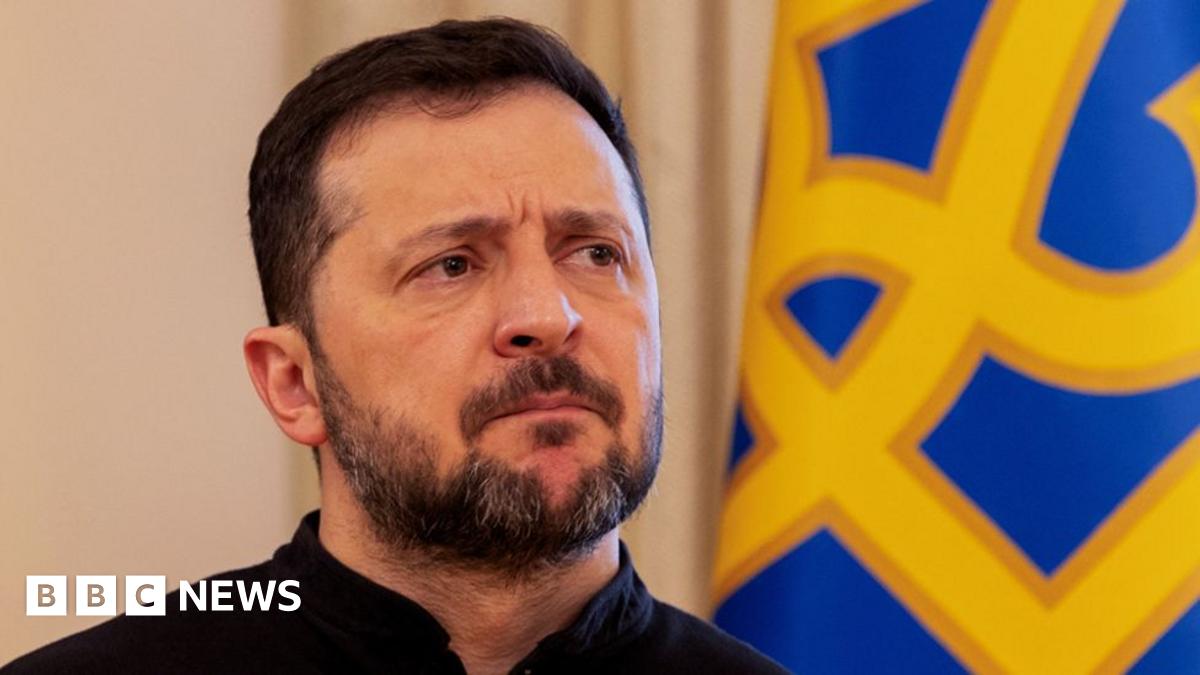
Prime Minister Sir Keir Starmer has backed Volodymyr Zelensky as a "democratically elected leader" after Donald Trump described the Ukrainian president as a "dictator". Sir Keir called Zelensky on Wednesday evening and told him it was "perfectly reasonable" for Ukraine to "suspend elections during wartime as the UK did during World War Two", Downing Street said. The US president had earlier criticised Zelensky, saying he had done a "terrible job" and claiming "he refuses to have elections" in Ukraine.
AI Summary
Main Idea: Keir Starmer backed Volodymyr Zelensky as Ukraine’s elected leader after Donald Trump called him a dictator, widening tensions over the war and peace talks.
Key Points:
- Starmer told Zelensky that suspending elections during wartime was reasonable, comparing it with the UK’s World War Two record.
- Trump said Zelensky had done a “terrible job” and falsely claimed he refused to hold elections.
- The row has increased pressure on Starmer ahead of his trip to Washington, where he wants to push for a US backstop for Ukraine’s security.
- Many other leaders and UK politicians defended Zelensky and said Trump’s comments were wrong and dangerous.
Impact on the People
Negative Impact
Trump’s attack on Zelensky could deepen US-Ukraine tension and make a peace deal harder, which may keep war risks and prices for energy and goods more uncertain for American households.
Positive Impact
Starmer’s push for a US backstop may keep NATO allies aligned, which could lower the chance of a wider war that would hurt US workers, taxpayers, and markets.
How did each entity affect people?
Rate how each entity in this article affected the American people.
- Primary:President Donald Trumpperson
- Primary:
Candidate Entities11 candidates · 5 weighted vote min · 70% decision
- President Donald TrumppersonPrimaryEvaluated
Central figure in the story because his comments calling Zelensky a “dictator” trigger the main diplomatic and political.
Include 0 (0%)Ignore 0 (0%)5 to threshold - President Volodymyr ZelenskypersonPrimaryEvaluated
Primary subject of Trump’s attack and Starmer’s defense, with his wartime leadership and election status central to the.
Include 0 (0%)Ignore 0 (0%)5 to threshold - Prime Minister Sir Keir StarmerpersonPrimaryAI selected
Central UK leader whose call with Zelensky and support for him are a major focus of the article.
Include 0 (0%)Ignore 0 (0%)5 to threshold - Kemi BadenochpersonMajorAI selected
Named opposition leader whose response to Trump and comments on Europe and Starmer are a prominent part of.
Include 0 (0%)Ignore 0 (0%)5 to threshold - RussiacountryMajorAI selected
Central state actor in the war, peace talks, and diplomatic dispute discussed throughout the article.
Include 0 (0%)Ignore 0 (0%)5 to threshold - Sir Ed DaveypersonMajorAI selected
Named party leader quoted taking a clear position against Trump’s remarks, making him a notable political actor in.
Include 0 (0%)Ignore 0 (0%)5 to threshold - United StatescountryMajorAI selected
Major state actor in the diplomatic split, with Trump representing the country’s position and US-backed security support at.
Include 0 (0%)Ignore 0 (0%)5 to threshold
Comments 0
Comments here are the same thread shown when this article appears in The Pulse.
No comments on this article yet.
Sign in to comment