As Israel cuts off food and supplies to Gaza, aid groups say they are scrambling
Read Original Source
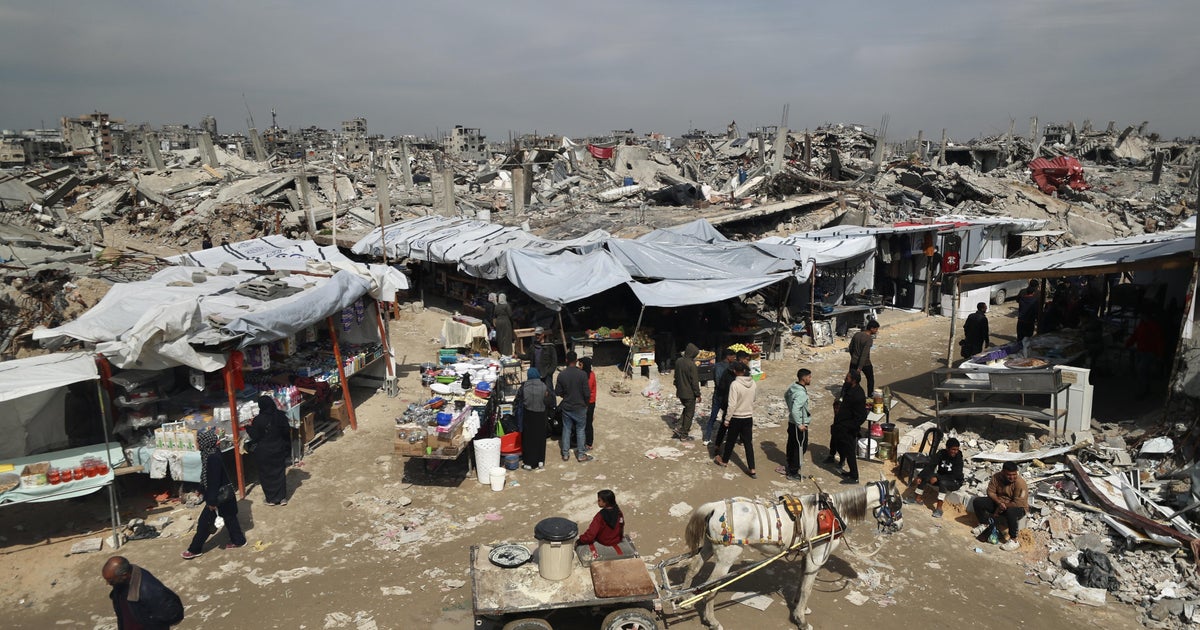
The blockade that Israel put in place on all humanitarian good entering Gaza amid a standoff with the U.S.- and Israeli-designated terrorist group Hamas over how to keep the ceasefire in Gaza going has sent humanitarian groups into overdrive. Organizations say they're trying to figure out how to distribute dwindling supplies to the most vulnerable of the enclave's roughly 2 million people, and there's fear the situation is only going to get worse.
AI Summary
Main Idea: Israel’s blockade on food, fuel, medicine, and other aid to Gaza has left humanitarian groups scrambling as Hamas and Israel remain locked in a ceasefire standoff.
Key Points:
- Aid agencies say they are trying to stretch shrinking supplies to help Gaza’s most vulnerable people, while warning that conditions could get much worse.
- Israel also cut electricity to two desalination plants, making fresh water scarcer for many residents.
- Groups like Oxfam say the aid cutoff is collective punishment, while Israel says it is pressuring Hamas to accept an extension of the ceasefire’s first phase.
- Prices for basics such as flour, sugar, chicken, and cooking gas have risen sharply, and aid workers fear a repeat of the hunger and hardship seen earlier in the war.
Impact on the People
Negative Impact
The Gaza aid cutoff can raise food and fuel costs and keep the Israel-Hamas war more volatile, which may pressure US consumers, aid groups, and taxpayers through higher relief and security demands.
Positive Impact
No clear positive impact identified.
How did each entity affect people?
Rate how each entity in this article affected the American people.
- Primary:Hamaspolitical organization
- Major:Oxfamnonprofit / NGO
Candidate Entities9 candidates · 5 weighted vote min · 70% decision
- Hamaspolitical organizationPrimaryEvaluated
Central counterpart in the ceasefire standoff and the target of Israel’s pressure.
Include 0 (0%)Ignore 0 (0%)5 to threshold - Oxfamnonprofit / NGOMajorEvaluated
Major aid group directly criticizing Israel’s blockade and framing it as collective punishment.
Include 0 (0%)Ignore 0 (0%)5 to threshold - Benjamin NetanyahupersonMajorAI selected
Israeli prime minister quoted making the central policy threat to increase pressure and potentially cut electricity further.
Include 0 (0%)Ignore 0 (0%)5 to threshold - EgyptcountryContextCandidate
Named as one of the brokers of the ceasefire deal and part of the negotiations over the next.
Include 0 (0%)Ignore 0 (0%)5 to threshold - International Organization for Migrationinternational organizationContextCandidate
Humanitarian organization holding tents in Jordan because deliveries were blocked.
Include 0 (0%)Ignore 0 (0%)5 to threshold - International Rescue Committeenonprofit / NGOContextCandidate
Aid organization with medicines and supplies waiting to enter Gaza.
Include 0 (0%)Ignore 0 (0%)5 to threshold - Medical Aid for Palestiniansnonprofit / NGOContextCandidate
Aid organization reporting trucks stuck at the border with medicine and assistance supplies.
Include 0 (0%)Ignore 0 (0%)5 to threshold
Comments 0
Comments here are the same thread shown when this article appears in The Pulse.
No comments on this article yet.
Sign in to comment