The hot dog: We need to be frank about how German sausages became an American icon
Read Original Source
Nineteenth-century Indiana passed some of the country’s toughest “blue laws” to protect Sunday’s rest and worship from alcohol and ... hot dogs? But Indiana’s push was noteworthy for another reason: It produced the country’s earliest known use in print of the culinary term that now sits at the center of American culture. “Even the innocent wienerworst man will be barred from dispensing hot dog on the street corners,” the Evansville Courier & Press read on Sept. 14, 1884.
AI Summary
Main Idea: The hot dog began as a German-style sausage but grew into a lasting American symbol tied to ballparks, holidays, and national identity.
Key Points:
- Indiana’s 1884 “blue laws” included one of the earliest known printed uses of the term “hot dog.”
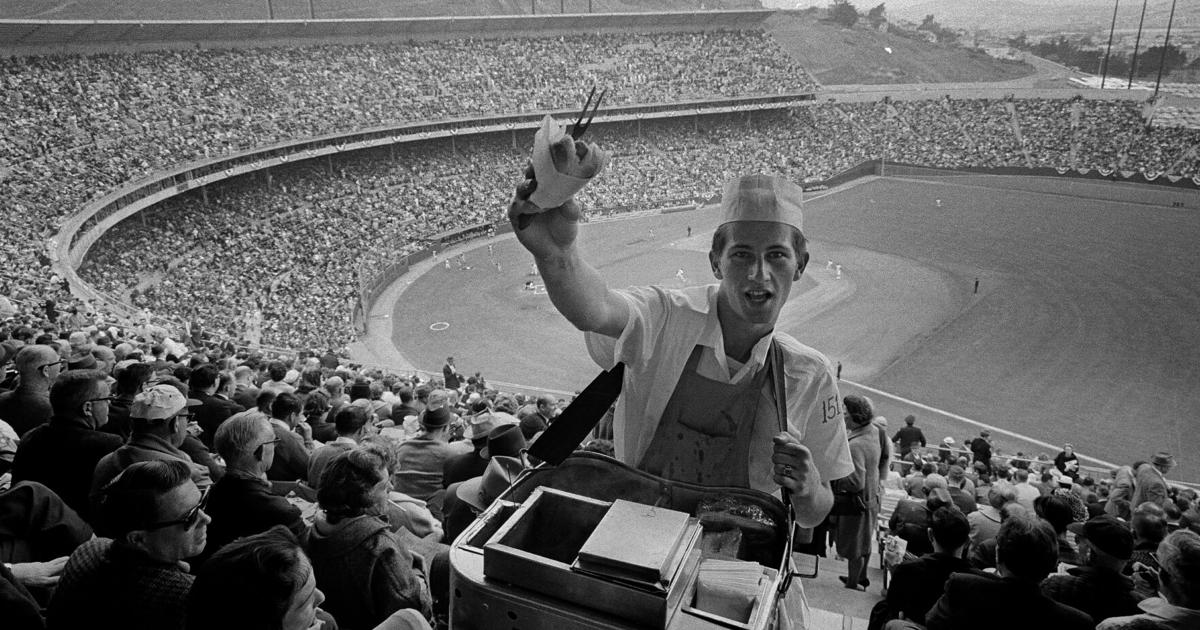
- German sausages became widely accepted in the U.S. and were linked to baseball and other public events by the 1890s.
- Hot dogs also played a small role in diplomacy, including being served to King George VI, Queen Elizabeth, and Soviet leader Nikita Khrushchev.
- The article notes the hot dog’s many regional styles and its place in modern culture, from food contests to giant art installations.
Impact on the People
Negative Impact
No clear negative impact identified.
Positive Impact
Hot dog culture can support small businesses, sports venues, and food vendors through steady consumer demand and tourism.
How did each entity affect people?
Rate how each entity in this article affected the American people.
No entity suggestions or linked entities saved yet.
Candidate Entities8 candidates · 5 weighted vote min · 70% decision
- King George VIpersonContextCandidate
Named royal figure in the hot dog diplomacy anecdote.
Include 0 (0%)Ignore 0 (0%)5 to threshold - National Archivesgovernment agency or bodyContextCandidate
Cited for the phrase “hot dog diplomacy” and its framing of the food’s role in international relations.
Include 0 (0%)Ignore 0 (0%)5 to threshold - Nikita KhrushchevpersonContextCandidate
Quoted in the article for a remark comparing Soviet and American sausage-making.
Include 0 (0%)Ignore 0 (0%)5 to threshold - President Franklin D. RooseveltpersonContextCandidate
Mentioned in the context of serving hot dogs to British royals, but not the article’s main focus.
Include 0 (0%)Ignore 0 (0%)5 to threshold - Queen ElizabethpersonContextCandidate
Named royal figure in the hot dog diplomacy anecdote.
Include 0 (0%)Ignore 0 (0%)5 to threshold - Evansville Courier & Pressmedia outletMinorCandidate
Cited as the publication containing the early printed use of the term “hot dog.”.
Include 0 (0%)Ignore 0 (0%)5 to threshold - Jamie LoftuspersonMinorCandidate
Named writer and podcaster cited for a recent book and quoted on the hot dog as a symbol.
Include 0 (0%)Ignore 0 (0%)5 to threshold
Comments 0
Comments here are the same thread shown when this article appears in The Pulse.
No comments on this article yet.
Sign in to comment