Connecticut's 'lax' homeschooling rules could have aided boy's abuse, some education advocates say
Read Original Source
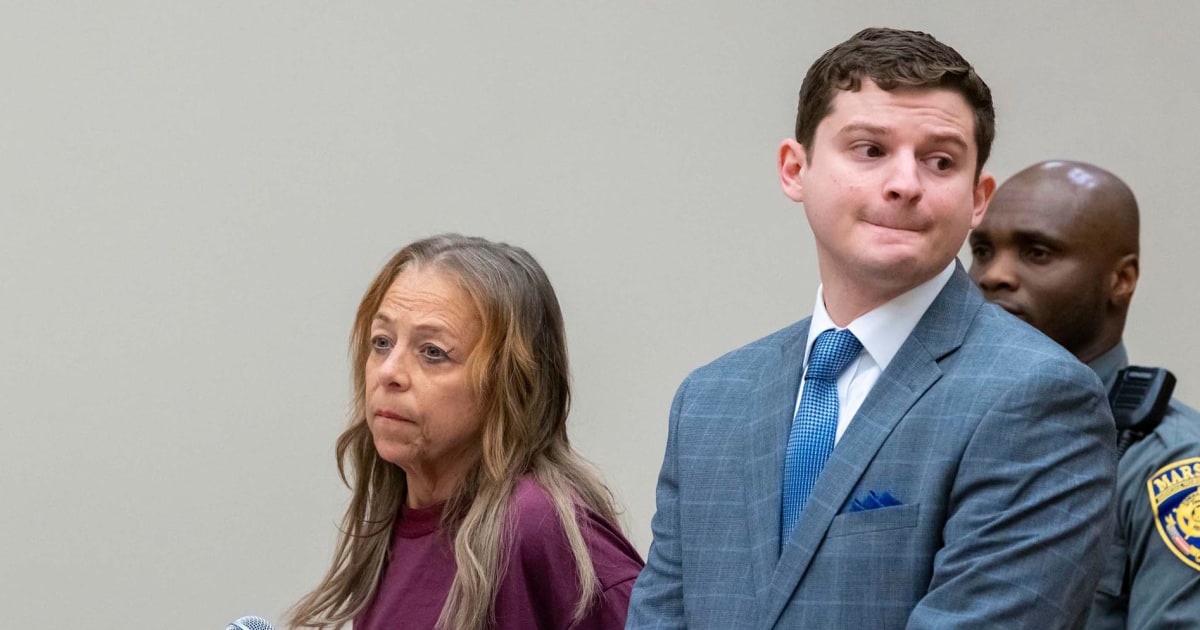
After a Connecticut woman was accused of holding her stepson captive for two decades, education advocates said the state’s largely unregulated homeschooling system could allow abusive parents to keep their children from public view with no protective oversight. Limited time: Save 25% on NBC News subscription Get exclusive reporting, live Q&As and ad-free reading. The stepson, now 32, told police that he was removed from public school in the fourth grade and that he was homeschooled.
AI Summary
Main Idea: Education advocates say Connecticut’s loose homeschooling rules may have helped Kimberly Sullivan keep her stepson out of public view while he was allegedly abused for years.
Key Points:
- The man told police he was pulled from school in fourth grade and then homeschooled, with no strong oversight from the state.
- A former principal said the family gave shifting reasons for his absence, and he tried to check on the child.
- Child advocates said Connecticut has weak rules for homeschooling and little enforcement after a child is withdrawn from school.
- Police said the man was found severely malnourished and had suffered prolonged abuse, starvation, and neglect.
Impact on the People
Negative Impact
Weak homeschooling oversight can let abusive parents hide children from schools and child welfare checks, putting some children at greater risk and burdening taxpayers and communities when abuse goes undetected.
Positive Impact
Tighter state rules and follow-up could improve child safety and education, though they may add paperwork for families who homeschool lawfully.
How did each entity affect people?
Rate how each entity in this article affected the American people.
- Primary:Kimberly Sullivanperson
- Major:Connecticutstate
Candidate Entities8 candidates · 5 weighted vote min · 70% decision
- Kimberly SullivanpersonPrimaryEvaluated
Connecticut stepmother accused of imprisoning and starving her stepson; her alleged conduct is central to the story.
Include 0 (0%)Ignore 0 (0%)5 to threshold - ConnecticutstateMajorEvaluated
State whose homeschool rules and lack of oversight are the article’s main policy focus.
Include 0 (0%)Ignore 0 (0%)5 to threshold - Center for Childrens Advocacynonprofit / NGOMajorAI selected
Legal advocacy organization whose representative is a major voice in the article’s criticism of homeschooling rules.
Include 0 (0%)Ignore 0 (0%)5 to threshold - Sarah EaganpersonMajorAI selected
Center for Children’s Advocacy lawyer quoted making a central argument about Connecticut’s homeschool oversight.
Include 0 (0%)Ignore 0 (0%)5 to threshold - Darren SchwartzpersonContextCandidate
Interim superintendent quoted confirming the student was unenrolled from Waterbury Public Schools in 2004.
Include 0 (0%)Ignore 0 (0%)5 to threshold - National Home Education Legal Defense Associationnonprofit / NGOContextCandidate
Homeschool advocacy group cited for its assessment of Connecticut’s regulation level.
Include 0 (0%)Ignore 0 (0%)5 to threshold - Tom PannonepersonContextCandidate
Former principal quoted describing efforts to find the child and criticizing the homeschooling system.
Include 0 (0%)Ignore 0 (0%)5 to threshold
Comments 0
Comments here are the same thread shown when this article appears in The Pulse.
No comments on this article yet.
Sign in to comment