Top cartel brothers charged in U.S., accused of murders and torture
Read Original Source
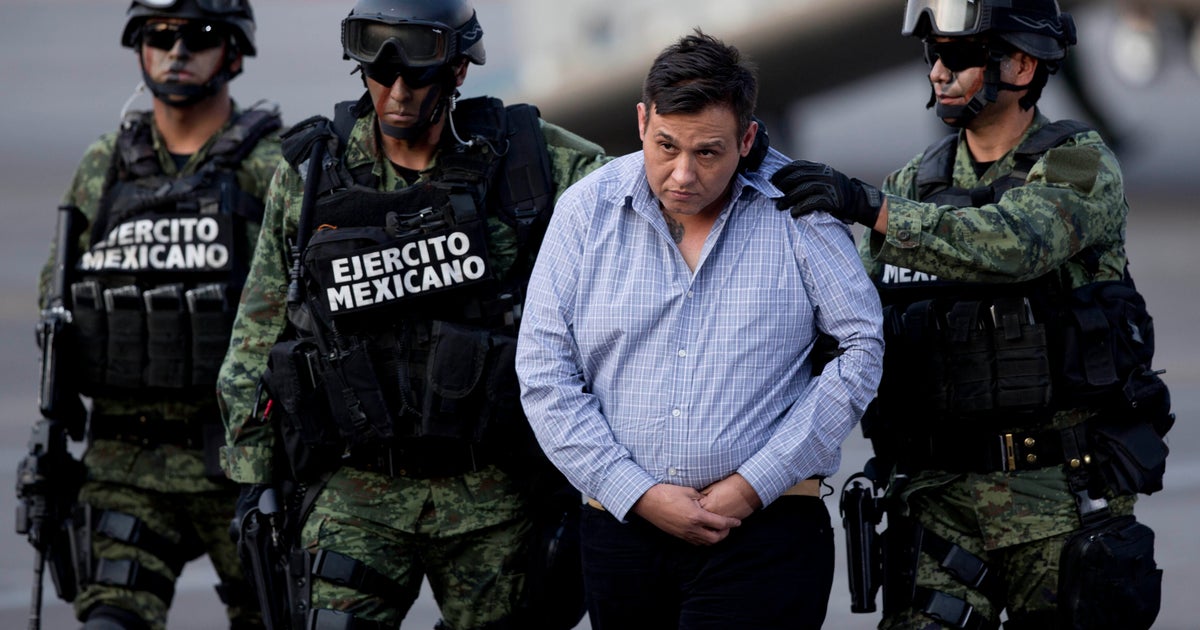
The sibling ex-leaders of Mexico's violent Zetas cartel were arraigned on Friday in the United States on charges including drug trafficking, firearm possession and money laundering, the U.S. Department of Justice said. Brothers Miguel and Omar Trevino Morales — aliases "Z-40" and "Z-42" — led one of Mexico's most powerful and feared organized crime groups until its collapse.
AI Summary
Main Idea: U.S. prosecutors charged cartel brothers Miguel Trevino Morales and Omar Trevino Morales with drug trafficking, murders, and money laundering after their extradition from Mexico.
Key Points:
- The Justice Department said the brothers were arraigned in Washington on charges tied to a long-running criminal network.
- Prosecutors say they helped lead the violent Zetas cartel, later called Cartel del Noreste, even after their arrests in Mexico.
- The charges include murder conspiracies, drug smuggling, firearm crimes, and laundering money.
- Both brothers pleaded not guilty and could face the death penalty if convicted.
Impact on the People
Negative Impact
US charges against cartel leaders may disrupt drug flows,. Retaliation can raise violence and fear in border communities.
Positive Impact
No clear positive impact identified.
How did each entity affect people?
Rate how each entity in this article affected the American people.
- Primary:Miguel Trevino Moralesperson
Candidate Entities12 candidates · 5 weighted vote min · 70% decision
- Miguel Trevino MoralespersonPrimaryEvaluated
One of the two brothers at the center of the charges; the article focuses on his alleged cartel.
Include 0 (0%)Ignore 0 (0%)5 to threshold - Department of Justicegovernment agency or bodyPrimaryAI selected
Central U.S. agency announcing the arraignment and charges against the brothers.
Include 0 (0%)Ignore 0 (0%)5 to threshold - Los Zetaspolitical organizationPrimaryAI selected
The cartel organization at the center of the article’s allegations and history.
Include 0 (0%)Ignore 0 (0%)5 to threshold - Omar Trevino MoralespersonPrimaryAI selected
One of the two brothers at the center of the charges; the article focuses on his alleged cartel.
Include 0 (0%)Ignore 0 (0%)5 to threshold - Cartel del Norestepolitical organizationMajorAI selected
Name the defendants allegedly gave the organization after arrests; relevant to the cartel’s evolution and U.S. designation.
Include 0 (0%)Ignore 0 (0%)5 to threshold - MexicocountryMajorAI selected
Central national actor because it expelled the suspects to the United States and is described as pushing back.
Include 0 (0%)Ignore 0 (0%)5 to threshold - President Claudia SheinbaumpersonMajorAI selected
Mexico’s president whose sovereignty warning is a substantive part of the article’s geopolitical context.
Include 0 (0%)Ignore 0 (0%)5 to threshold
Comments 0
Comments here are the same thread shown when this article appears in The Pulse.
No comments on this article yet.
Sign in to comment