Transcript: Sen. Lindsey Graham on "Face the Nation with Margaret Brennan," March 16, 2025
Read Original Source
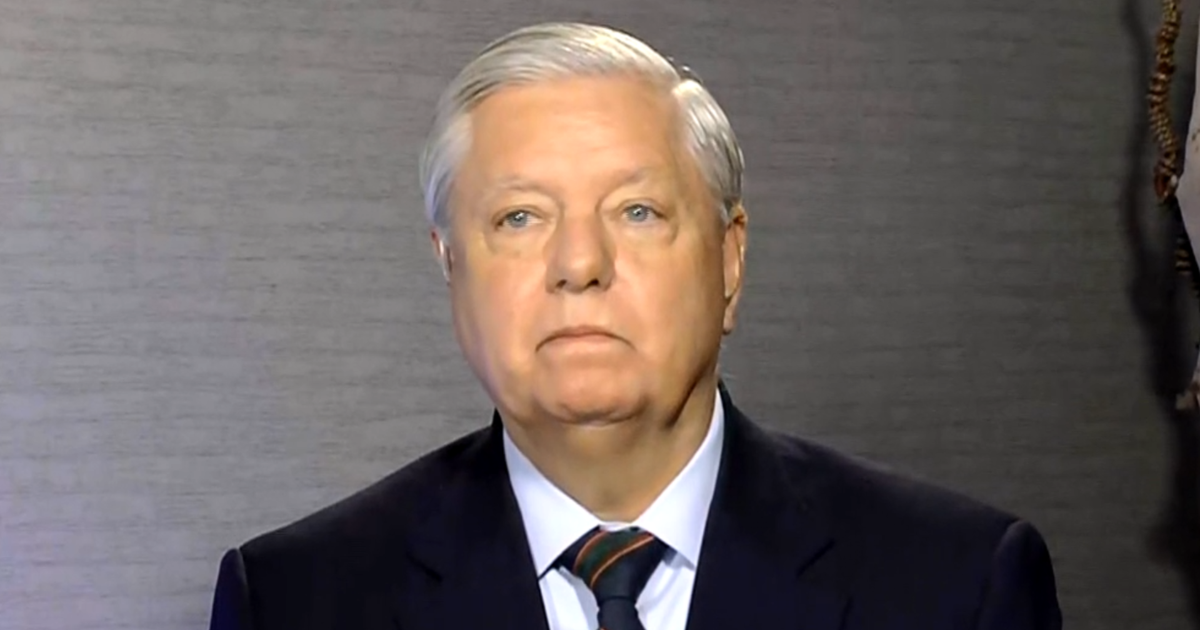
The following is the transcript of an interview with Sen. Lindsey Graham, Republican of South Carolina, that aired on "Face the Nation with Margaret Brennan" on March 16, 2025. MARGARET BRENNAN: Welcome back to Face the Nation. We turn now to the chairman of the Budget Committee, Republican Senator Lindsey Graham, who joins us this morning from Clemson, South Carolina. Welcome back. SEN. LINDSEY GRAHAM: Thank you.
AI Summary
Main Idea: Sen. Lindsey Graham said President Donald Trump should keep pressing Iran and Russia with threats of force and sanctions, while also defending Trump’s moves against law firms he says helped target him unfairly.
Key Points:
- Graham said Iran should give up uranium enrichment and accept tight limits if it truly wants a peaceful nuclear deal.
- He urged Trump to demand that Vladimir Putin accept a ceasefire in Ukraine or face stronger U.S. pressure and new sanctions.
- Graham said Trump may be the only leader able to talk Putin into a deal, but warned Putin would “regret it” if he is playing him.
- He backed Trump’s actions against some law firms, saying past investigations into Trump were politically motivated and deserved a response.
Impact on the People
Negative Impact
Graham’s push for more sanctions on Russia and possible action on Iran could raise energy and defense costs, while higher tensions may add uncertainty for families, workers, and markets.
Positive Impact
A ceasefire in Ukraine or a deal that blocks Iran’s bomb program could reduce war risk and protect US security.
How did each entity affect people?
Rate how each entity in this article affected the American people.
- Primary:Senator Lindsey Grahamperson
Candidate Entities12 candidates · 5 weighted vote min · 70% decision
- Senator Lindsey GrahampersonPrimaryEvaluated
Central interview subject; the transcript focuses on his positions on Iran, Ukraine, Russia sanctions, and domestic legal actions.
Include 0 (0%)Ignore 0 (0%)5 to threshold - President Donald TrumppersonMajorAI selected
Major referenced actor whose decisions, talks with Putin, and executive actions are discussed throughout the interview.
Include 0 (0%)Ignore 0 (0%)5 to threshold - Vladimir PutinpersonMajorAI selected
Major foreign leader discussed as the key counterpart in ceasefire and sanctions talks.
Include 0 (0%)Ignore 0 (0%)5 to threshold - Ayatollah Ali KhameneipersonContextCandidate
Mentioned as the Iranian leader in Graham’s comments about Iran’s nuclear program and diplomacy.
Include 0 (0%)Ignore 0 (0%)5 to threshold - Covington & BurlingcompanyContextCandidate
Another named law firm discussed in connection with security-clearance actions.
Include 0 (0%)Ignore 0 (0%)5 to threshold - IsraelcountryContextCandidate
Mentioned as a key target in the discussion of Iran’s nuclear ambitions and regional security.
Include 0 (0%)Ignore 0 (0%)5 to threshold - Jack SmithpersonContextCandidate
Named former special counsel referenced in the discussion of law-firm penalties and political motivation.
Include 0 (0%)Ignore 0 (0%)5 to threshold
Comments 0
Comments here are the same thread shown when this article appears in The Pulse.
No comments on this article yet.
Sign in to comment