New court decision in a disputed North Carolina race means 65,000 votes are a step closer to be being thrown out
Read Original Source
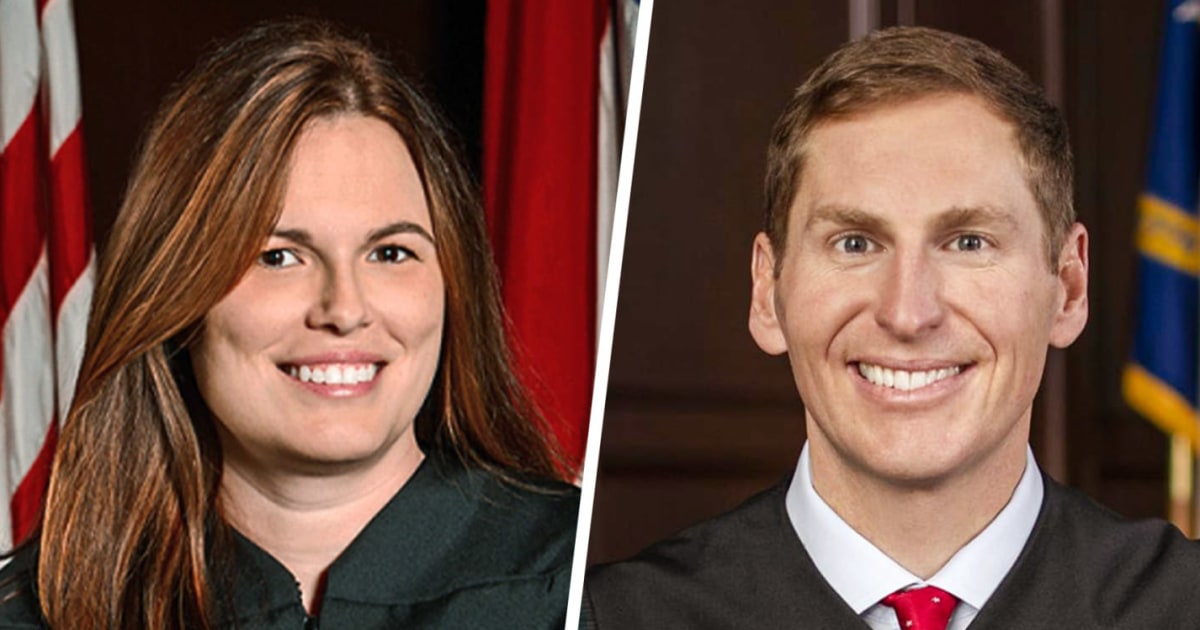
A three-judge panel of the North Carolina Court of Appeals ruled Friday that more than 65,000 votes cast in the contested race for the state Supreme Court in 2024 must be recounted and verified — a win for the Republican candidate in the razor-thin, disputed contest and a decision that could potentially tip the election results in his favor. Limited time: Save 25% on NBC News subscription Get exclusive reporting, live Q&As and ad-free reading.
AI Summary
Main Idea: A North Carolina appeals court ruled that more than 65,000 challenged votes in Jefferson Griffin’s race against Allison Riggs must be verified, a decision that could change the outcome.
Key Points:
- The court gave affected voters 15 business days to prove their identity or risk having their ballots excluded.
- The ruling favors Republican candidate Jefferson Griffin and overturns a lower court decision that had thrown out the case.
- Riggs said she will appeal, and the fight is likely headed to the state Supreme Court.
- Griffin’s team says the challenged votes were cast by ineligible voters, while Riggs says the ruling would wrongly disenfranchise lawful voters.
Impact on the People
Negative Impact
The ruling could unsettle voters by putting 65,000 ballots at risk and may weaken trust in election rules after votes are cast.
Positive Impact
The court says the review could block invalid ballots, which may protect lawful voters and election fairness.
How did each entity affect people?
Rate how each entity in this article affected the American people.
- Primary:Allison Riggsperson
- Primary:Jefferson Griffinperson
Candidate Entities10 candidates · 5 weighted vote min · 70% decision
- Allison RiggspersonPrimaryEvaluated
Democratic incumbent whose narrow lead and appeal response are central to the election dispute.
Include 0 (0%)Ignore 0 (0%)5 to threshold - Jefferson GriffinpersonPrimaryEvaluated
Republican candidate at the center of the disputed North Carolina Supreme Court race and the challenge to more.
Include 0 (0%)Ignore 0 (0%)5 to threshold - North Carolina Court of Appealsgovernment agency or bodyPrimaryAI selected
Three-judge panel issued the ruling that put the challenged votes back in play.
Include 0 (0%)Ignore 0 (0%)5 to threshold - North Carolina State Board of Electionsgovernment agency or bodyPrimaryAI selected
Ordered to manage the verification process for the challenged voters and implement the court’s instructions.
Include 0 (0%)Ignore 0 (0%)5 to threshold - North CarolinastateMajorAI selected
The state’s election system, courts, and contested Supreme Court seat are the core setting and governing jurisdiction of.
Include 0 (0%)Ignore 0 (0%)5 to threshold - North Carolina Republican Partypolitical organizationMajorAI selected
Republican-aligned legal and political effort is central to the challenge to the votes.
Include 0 (0%)Ignore 0 (0%)5 to threshold - North Carolina Supreme Courtgovernment agency or bodyMajorAI selected
Final state court likely to hear the appeal and whose seat is itself part of the dispute.
Include 0 (0%)Ignore 0 (0%)5 to threshold
Comments 0
Comments here are the same thread shown when this article appears in The Pulse.
No comments on this article yet.
Sign in to comment