On the Strait of Hormuz, BBC finds seized ships and shark fishermen as uneasy calm returns
Read Original Source
The Strait of Hormuz has been partially reopened since June as part of the US-Iran ceasefire agreement It's a sweltering summer's day and fishermen are unloading their catch on the docks. One proudly holds several baby sharks tangled in his nets. Shark sandwich is a local delicacy, he explains. Another rides off with two large fish strung over his motorbike.
AI Summary
Main Idea: Iran has partly reopened the Strait of Hormuz after a ceasefire with the United States, but the waterway remains tense, with seized ships still held and the threat of renewed conflict hanging over the region.
Key Points:
- Fishermen and normal trade are starting to return around Bandar Abbas as the sea calms, but many cargo ships still wait for permission to pass.
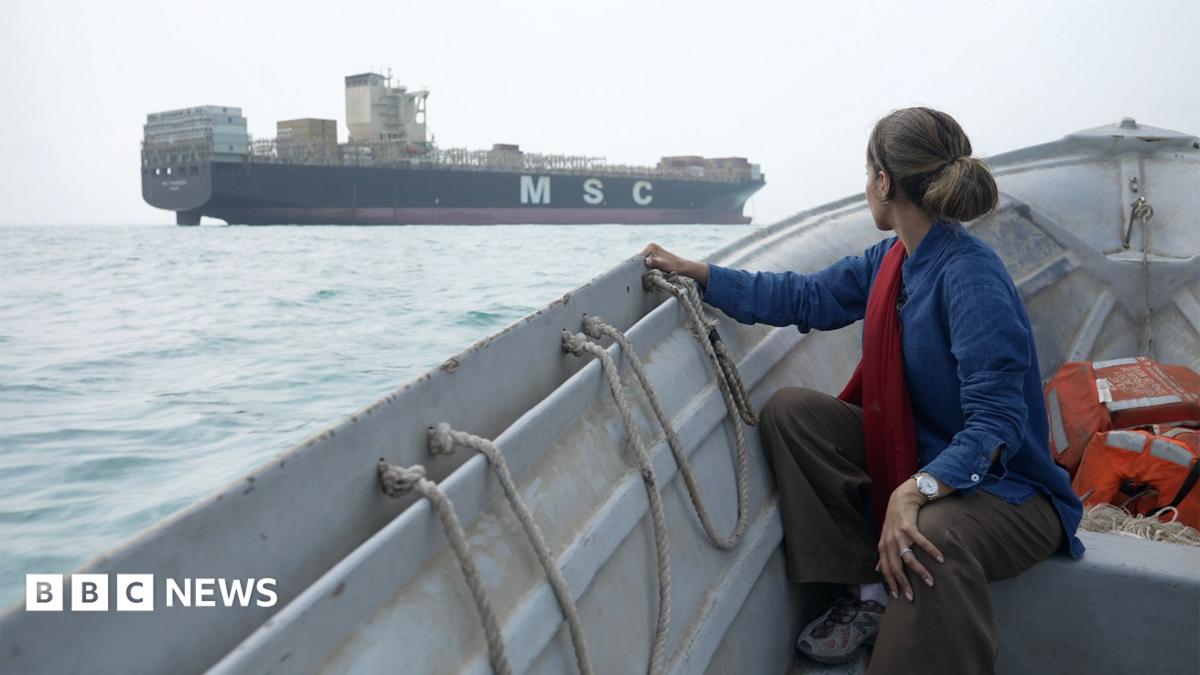
- The Islamic Revolutionary Guards Corps seized two container ships during the fighting, and they have not been released.
- The war damaged homes, killed civilians and military personnel, and left parts of Bandar Abbas visibly scarred.
- Iranian officials say the strait remains a key lever in talks with the United States and could be closed again if the ceasefire fails.
Impact on the People
Negative Impact
Iran’s control of the Strait of Hormuz can keep oil and shipping routes shaky, which may raise fuel, shipping, and consumer prices for US households and small businesses.
Positive Impact
A fragile ceasefire could ease supply fears and help keep energy costs from rising further.
How did each entity affect people?
Rate how each entity in this article affected the American people.
- Primary:Islamic Revolutionary Guards Corpsgovernment agency or body
Candidate Entities5 candidates · 5 weighted vote min · 70% decision
- Islamic Revolutionary Guards Corpsgovernment agency or bodyPrimaryEvaluated
Central Iranian military body firing on ships, seizing vessels, and shaping control of the strait.
Include 0 (0%)Ignore 0 (0%)5 to threshold - Alireza TangsiripersonMajorAI selected
Named IRGC Navy commander identified as the intended target of an Israeli strike.
Include 0 (0%)Ignore 0 (0%)5 to threshold - President Donald TrumppersonMajorAI selected
Named U.S. president whose threats and stance on reopening the strait are discussed as consequential.
Include 0 (0%)Ignore 0 (0%)5 to threshold - EpaminondascompanyContextCandidate
Another seized container ship identified as still unreleased after the ceasefire.
Include 0 (0%)Ignore 0 (0%)5 to threshold - MSC FrancescacompanyContextCandidate
One of the seized container ships specifically identified in the article.
Include 0 (0%)Ignore 0 (0%)5 to threshold
Comments 0
Comments here are the same thread shown when this article appears in The Pulse.
No comments on this article yet.
Sign in to comment