What makes a Kentucky Derby champion? Big hearts, huge lungs and powerful legs
Read Original Source
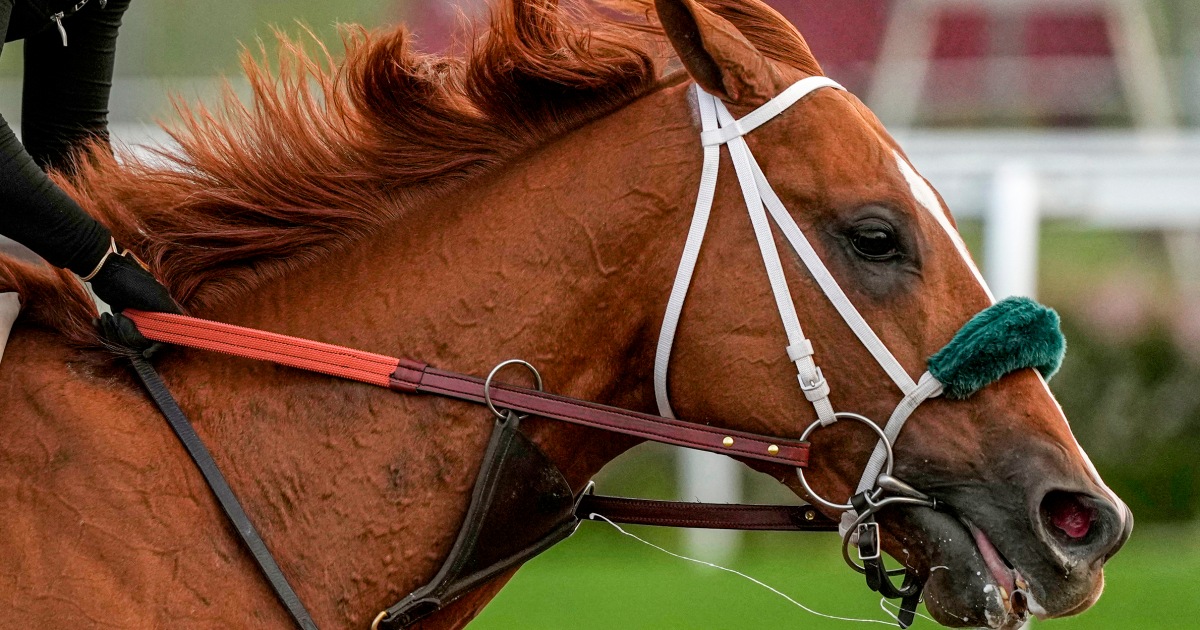
LOUISVILLE, Ky. — On a crisp, clear morning, a chestnut thoroughbred thundered down the dirt strip at Churchill Downs, his exercise rider leaning forward above the saddle. Other horse-and-rider pairs followed. Limited time: Save 25% on NBC News subscription Get exclusive reporting, live Q&As and ad-free reading. Dr. Will Farmer looked down from a viewing point, admiring the speed and agility of the 1,000-pound animals.
AI Summary
Main Idea: The Kentucky Derby spotlights how a champion horse’s big heart, strong lungs, powerful legs, and careful training help create racing speed, even as Churchill Downs works to improve safety.
Key Points:
- Horses are built for speed with large hearts, huge lung capacity, extra red blood cells, and strong muscles that help them deliver oxygen fast.
- Their long, thin legs and spring-like tendons help them run quickly, but those same traits also raise injury risk.
- Churchill Downs has faced safety concerns after horse deaths, and it has added new steps to reduce injuries and fatalities.
- Experts say genetics matter, but training, care, and the horse-rider bond also help decide which horses become standouts.
Impact on the People
Negative Impact
Horse racing can bring injuries and deaths, which can worry fans, workers, and communities and may increase pressure on regulators and tracks.
Positive Impact
Kentucky Derby safety changes at Churchill Downs could lower horse deaths and make racing safer for workers, bettors, and the public.
How did each entity affect people?
Rate how each entity in this article affected the American people.
- Primary:Kentucky Derbycultural institution
Candidate Entities10 candidates · 5 weighted vote min · 70% decision
- Kentucky Derbycultural institutionNot scoredEvaluatedInclude 0 (0%)Ignore 0 (0%)5 to threshold
- Kentucky Derbybrand / productPrimaryAI selected
The article’s primary subject and the event used to frame the discussion of horse athleticism and safety.
Include 0 (0%)Ignore 0 (0%)5 to threshold - Churchill Downs Inc.companyMajorAI selected
Central racing operator tied to the Derby venue, horse safety changes, and veterinary oversight discussed in the article.
Include 0 (0%)Ignore 0 (0%)5 to threshold - Dr. Will FarmerpersonMajorAI selected
Named Churchill Downs veterinarian and equine medical director quoted on horse physiology and racing conditions.
Include 0 (0%)Ignore 0 (0%)5 to threshold - Horseracing Integrity and Safety Authoritygovernment agency or bodyMajorAI selected
Named oversight body cited for injury-reduction steps and reported declines in deaths at accredited tracks.
Include 0 (0%)Ignore 0 (0%)5 to threshold - Claiborne FarmcompanyContextCandidate
Named thoroughbred breeding farm mentioned as Dr. Scott Bailey’s workplace and Secretariat’s burial site.
Include 0 (0%)Ignore 0 (0%)5 to threshold - Dr. Scott BaileypersonContextCandidate
Veterinarian at Claiborne Farm quoted on horse behavior and athletic traits.
Include 0 (0%)Ignore 0 (0%)5 to threshold
Comments 0
Comments here are the same thread shown when this article appears in The Pulse.
No comments on this article yet.
Sign in to comment