Trump shut down program to end human waste backing into Alabama homes, calling it 'illegal DEI'
Read Original Source
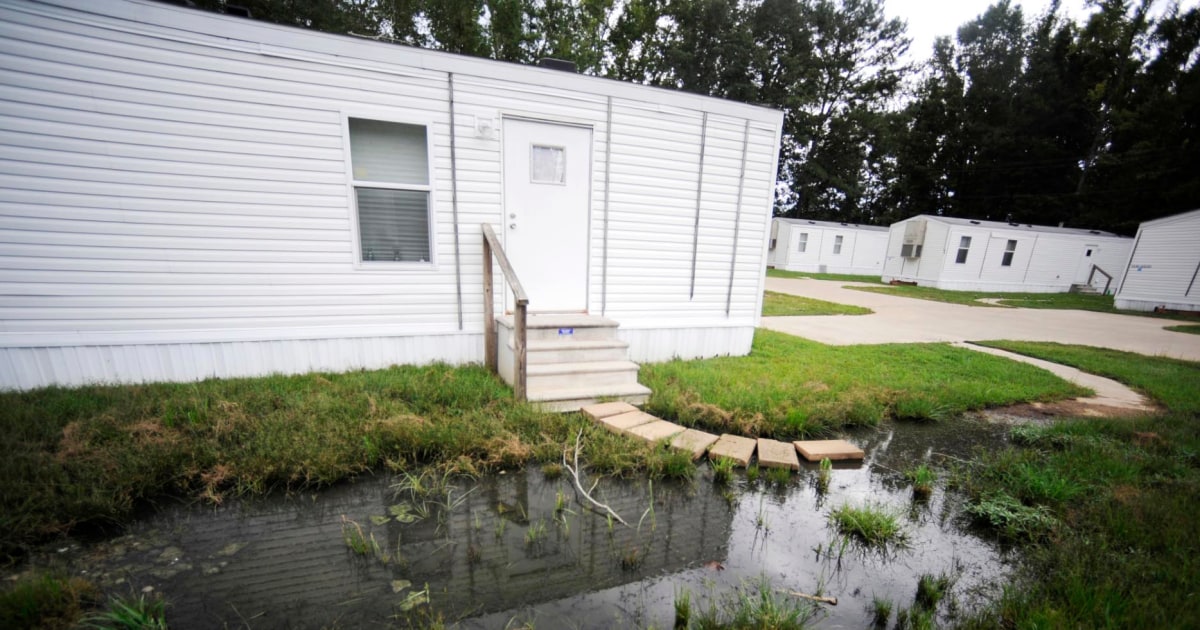
For the last 14 years, when it rains in Lowndes County, Alabama, contaminated standing water builds up around Annye Burke’s home. When the septic tank breaks down, raw sewage backs up into her toilet, she said. Limited time: Save 25% on NBC News subscription Get exclusive reporting, live Q&As and ad-free reading. Although “frustrated” by the unhealthy and inconvenient conditions, Burke said she doesn’t let it get her down.
AI Summary
Main Idea: President Donald Trump canceled a federal agreement meant to fix raw sewage problems in Lowndes County, Alabama, calling it “illegal DEI.”
Key Points:
- The deal had set aside nearly $26 million to improve water and sanitation systems in a mostly Black rural county.
- Residents have long dealt with sewage backing up into homes, standing contaminated water, and serious health risks.
- Catherine Coleman Flowers helped push for the federal action after years of trying to draw attention to the problem.
- Local officials and residents said the issue is a public health crisis, not a DEI program, and that the work still needs to be done.
Impact on the People
Negative Impact
Blocking sewage repair funds could leave families in poor rural areas with unsafe homes, worse health risks, and higher costs for local taxpayers and state agencies.
Positive Impact
Trump’s move may save federal money in the short term,.
How did each entity affect people?
Rate how each entity in this article affected the American people.
- Primary:President Donald Trumpperson
Candidate Entities9 candidates · 5 weighted vote min · 70% decision
- President Donald TrumppersonPrimaryEvaluated
Central actor who issued the executive order ending the Lowndes County water infrastructure agreement and framed it as.
Include 0 (0%)Ignore 0 (0%)5 to threshold - Department of Justicegovernment agency or bodyPrimaryAI selected
Federal agency that investigated the sanitation conditions, allocated funding, and later had the agreement canceled.
Include 0 (0%)Ignore 0 (0%)5 to threshold - Annye BurkepersonMajorAI selected
Resident whose living conditions and experience with sewage backups anchor the story on the ground.
Include 0 (0%)Ignore 0 (0%)5 to threshold - Catherine Coleman FlowerspersonMajorAI selected
Environmental activist whose long-running advocacy helped drive the federal investigation and funding.
Include 0 (0%)Ignore 0 (0%)5 to threshold - Harmeet K. DhillonpersonMajorAI selected
Senior DOJ official whose statement explained the agency’s shift away from “environmental justice” framing.
Include 0 (0%)Ignore 0 (0%)5 to threshold - Representative Terri SewellpersonMajorAI selected
Elected official representing the area and publicly criticizing the Trump administration’s termination of the agreement.
Include 0 (0%)Ignore 0 (0%)5 to threshold - Attorney General Kristen ClarkepersonContextCandidate
Former assistant attorney general cited for announcing the DOJ’s 2023 findings.
Include 0 (0%)Ignore 0 (0%)5 to threshold
Comments 0
Comments here are the same thread shown when this article appears in The Pulse.
No comments on this article yet.
Sign in to comment