Prosecutors in Thailand say they won’t pursue royal defamation case against U.S. scholar
Read Original Source
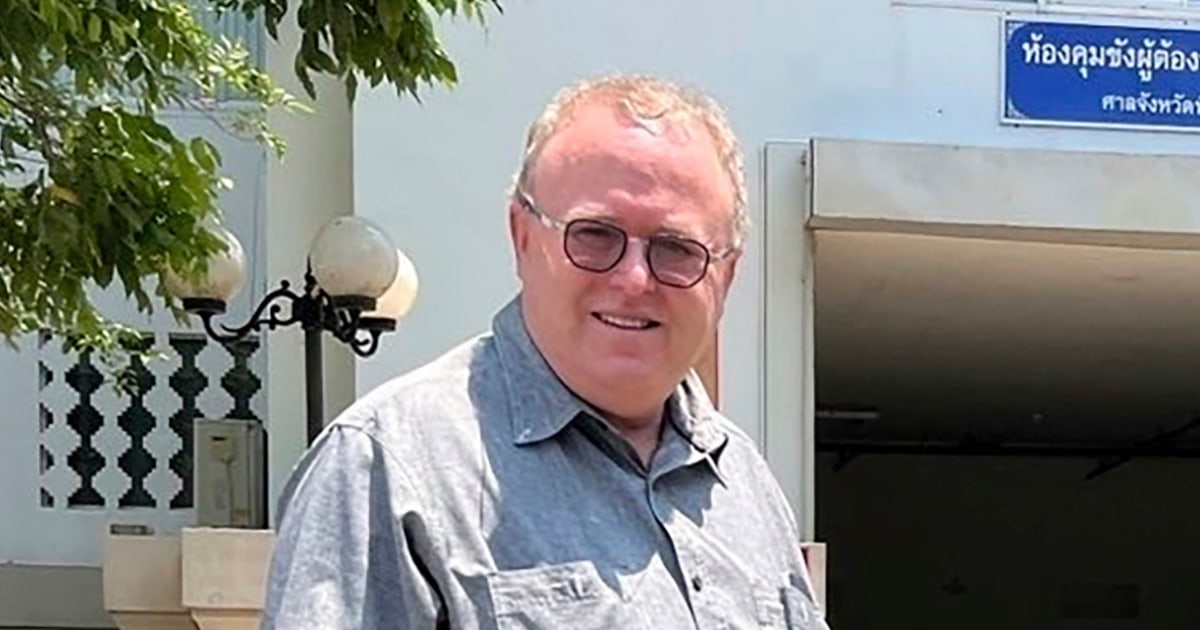
BANGKOK — State prosecutors in Thailand said Thursday that they don’t intend to press charges against an American academic arrested for royal defamation, an offense punishable by up to 15 years in prison. Limited time: Save 25% on NBC News subscription Get exclusive reporting, live Q&As and ad-free reading.
AI Summary
Main Idea: Thai state prosecutors said they will not pursue royal defamation charges against U.S. scholar Paul Chambers, though the case is not yet fully closed.
Key Points:
- Chambers was arrested in April over a claim that he insulted Thailand’s monarchy, a crime that can bring up to 15 years in prison.
- Prosecutors plan to ask a provincial court to drop the charges and send the case to police for review.
- The arrest drew concern from academics and the U.S. government, which warned against using the law to limit free speech.
- The case has raised fresh attention on Thailand’s strict lèse majesté law and its use against critics in recent years.
Impact on the People
Negative Impact
The case may keep US scholars and businesses cautious about travel or work in Thailand because speech rules there can still lead to arrest and visa risks.
Positive Impact
Prosecutors backing away from charges may lower the chance of a wider US-Thailand academic dispute and reduce pressure on US officials and travelers.
How did each entity affect people?
Rate how each entity in this article affected the American people.
- Primary:Paul Chambersperson
- Primary:Thai state prosecutorsgovernment agency or body
- Primary:Thailandcountry
Candidate Entities11 candidates · 5 weighted vote min · 70% decision
- Paul ChamberspersonPrimaryEvaluated
American academic at the center of the arrest and potential royal defamation case.
Include 0 (0%)Ignore 0 (0%)5 to threshold - Thai state prosecutorsgovernment agency or bodyPrimaryEvaluated
Central public body announcing it will not pursue charges and requesting the court drop the case.
Include 0 (0%)Ignore 0 (0%)5 to threshold - ThailandcountryPrimaryEvaluated
The country whose prosecutors, military, courts, and lèse majesté system are central to the story.
Include 0 (0%)Ignore 0 (0%)5 to threshold - Phitsanulok provincial prosecutorgovernment agency or bodyMajorAI selected
The local prosecution office handling the nonprosecution request and case file.
Include 0 (0%)Ignore 0 (0%)5 to threshold - Provincial Police Region 6government agency or bodyMajorAI selected
Police authority that may review and contest the decision not to prosecute.
Include 0 (0%)Ignore 0 (0%)5 to threshold - Thailands Internal Security Operations Commandgovernment agency or bodyMajorAI selected
Army-linked body that filed the complaint leading to Chambers' arrest.
Include 0 (0%)Ignore 0 (0%)5 to threshold - Thai Lawyers for Human Rightsnonprofit / NGOContextCandidate
Legal aid group cited for statistics and broader concern about lèse majesté prosecutions.
Include 0 (0%)Ignore 0 (0%)5 to threshold
Comments 0
Comments here are the same thread shown when this article appears in The Pulse.
No comments on this article yet.
Sign in to comment