For America's European allies, Trump's first 100 days a time of reckoning, backlash
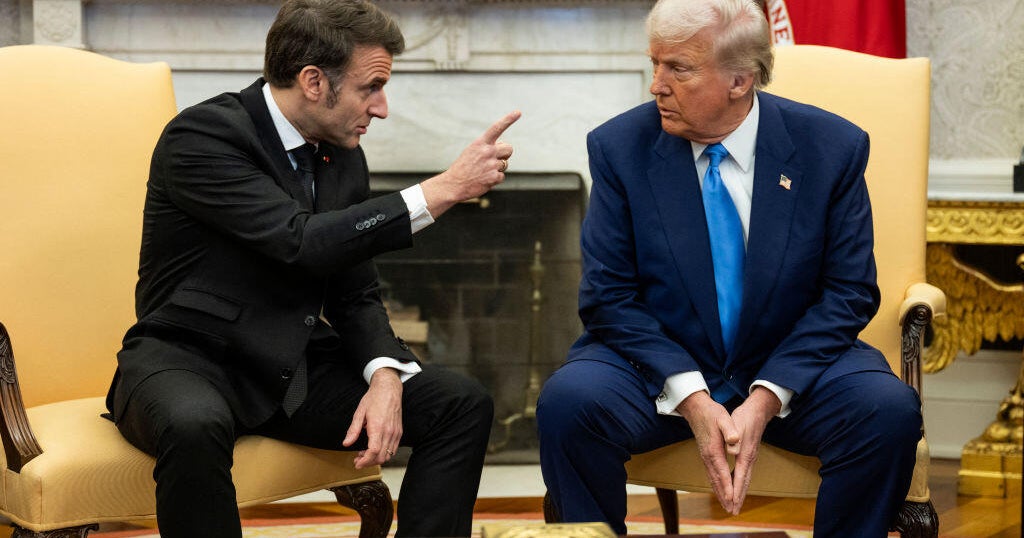
Read Original Source
Normandy, France — The heroic D-Day landings in Normandy marked the beginning of the end of World War II, where thousands of the Americans who fell in the assault still rest in graves in northwestern France. It was the sacrifice of the American and European Allied soldiers during the Normandy Invasion, and of course their great victory over the Nazis, that formed the bedrock of an alliance that has stood firm for more than 80 years. Then, however, came President Trump's rhetoric and the ensuing tariff war.
AI Summary
Main Idea: President Donald Trump’s first 100 days have strained long-standing ties with Europe as tariffs and defense threats anger the European Union and raise worries about NATO.
Key Points:
- Trump’s shifting tariff threats on European goods, including French wine, have created uncertainty and hurt business planning.
- European exporters say the changing rules make it hard to keep trade stable and protect customers and sales.
- Trump has also pressed NATO allies to spend more on defense and warned he may not protect countries that do not pay enough.
- European leaders and analysts worry the U.S. may no longer be as reliable a partner, even though many agree Europe should spend more on defense.
Impact on the People
Negative Impact
Tariffs on European goods can raise prices for US shoppers and hurt small importers, while the NATO dispute adds uncertainty for taxpayers and communities that rely on steady US alliances.
Positive Impact
Pressure on Europe to spend more on defense could lower the burden on US taxpayers over time.
How did each entity affect people?
Rate how each entity in this article affected the American people.
- Primary:European Unioninternational organization
- Primary:President Donald Trumpperson
Candidate Entities6 candidates · 5 weighted vote min · 70% decision
- European Unioninternational organizationPrimaryEvaluated
Core target of Trump’s trade rhetoric and a central institution in the transatlantic dispute.
Include 0 (0%)Ignore 0 (0%)5 to threshold - President Donald TrumppersonPrimaryEvaluated
Central political actor whose rhetoric, tariff actions, and NATO posture drive the entire article.
Include 0 (0%)Ignore 0 (0%)5 to threshold - North Atlantic Treaty Organizationinternational organizationPrimaryAI selected
Major alliance entity discussed as being shaken by Trump’s demands and statements.
Include 0 (0%)Ignore 0 (0%)5 to threshold - Camille GrandpersonContextCandidate
Named expert quoted on NATO and European defense concerns, providing substantive context.
Include 0 (0%)Ignore 0 (0%)5 to threshold - European Council on Foreign Relationseducational / research institutionContextCandidate
Research organization affiliated with the quoted expert and used for analysis of the alliance tensions.
Include 0 (0%)Ignore 0 (0%)5 to threshold - Vincent DamptpersonContextCandidate
Named French winemaker whose business is directly affected by the tariff uncertainty.
Include 0 (0%)Ignore 0 (0%)5 to threshold
Comments 0
Comments here are the same thread shown when this article appears in The Pulse.
No comments on this article yet.
Sign in to comment