The remarkable life and afterlife of Malcolm X
Read Original Source
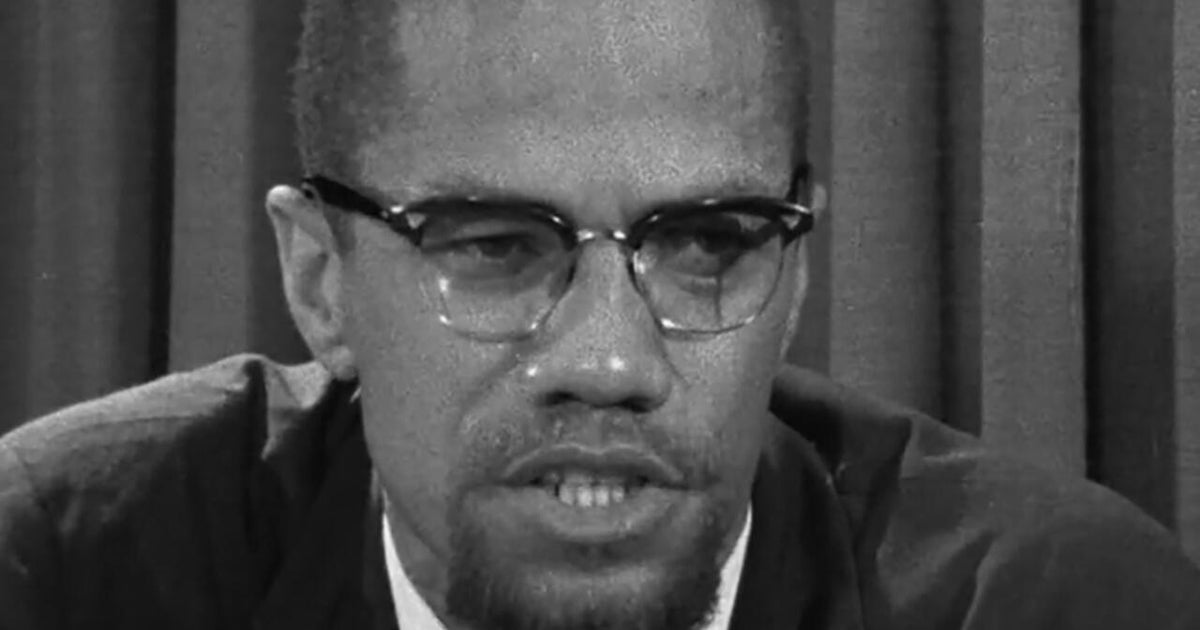
This month marks the 100th birthday of Malcolm X, the defiant, charismatic Black leader who electrified America with his blunt talk and biting humor. In his brief 39 years, Malcolm was many things: a street hustler who found religion in prison; a spokesman for the Nation of Islam who preached racial separatism; then, he became that rarest of leaders, one who admits a mistake. He began a new human rights movement that reached out to Whites of good faith.
AI Summary
Main Idea: Malcolm X’s life, death, and message still shape civil rights debates, and the Supreme Court-era view of him has also been reexamined in later years.
Key Points:
- The article marks the 100th birthday of Malcolm X and reviews his path from street hustler to Nation of Islam spokesman to broader human rights advocate.
- It says his famous call for Black pride and self-defense was often misunderstood, while his challenge to self-hatred still matters today.
- Malcolm X was killed in 1965 after warning CBS News that he expected violent backlash for breaking with the Nation of Islam.
- The piece shows his lasting influence on books, Black Power, hip hop, film, and modern scholars, including new debates about how to place him beside Martin Luther King Jr. and how groups like the Supreme Court later viewed him.
Impact on the People
Negative Impact
Malcolm X’s warnings about racial anger and injustice still point to social tension that can spill into unrest, which can raise risks for communities and businesses.
Positive Impact
Malcolm X’s message of dignity and self-belief can inspire voters, workers, and students, and his legacy helps keep civil rights debates in the public eye.
How did each entity affect people?
Rate how each entity in this article affected the American people.
- Primary:Malcolm Xperson
- Major:Supreme Courtgovernment agency or body
Candidate Entities10 candidates · 5 weighted vote min · 70% decision
- Malcolm XpersonPrimaryEvaluated
Central subject of the article, which examines his life, legacy, and cultural afterlife.
Include 0 (0%)Ignore 0 (0%)5 to threshold - Supreme Courtgovernment agency or bodyMajorEvaluatedInclude 0 (0%)Ignore 0 (0%)5 to threshold
- Elijah MuhammadpersonContextCandidate
Mentioned as the Nation of Islam leader Malcolm X publicly accused and broke with.
Include 0 (0%)Ignore 0 (0%)5 to threshold - Mike WallacepersonContextCandidate
Appears in the quoted CBS interview with Malcolm X and is part of the article’s historical context.
Include 0 (0%)Ignore 0 (0%)5 to threshold - John CarlospersonMinorCandidate
Mentioned as one of the activist athletes inspired by Malcolm X.
Include 0 (0%)Ignore 0 (0%)5 to threshold - Justice Clarence ThomaspersonMinorCandidate
Mentioned for his public argument about Malcolm X’s conservatism.
Include 0 (0%)Ignore 0 (0%)5 to threshold - Muhammad AlipersonMinorCandidate
Mentioned as one of the activist athletes inspired by Malcolm X.
Include 0 (0%)Ignore 0 (0%)5 to threshold - Simon & SchustercompanyMinorCandidate
Named publisher of Mark Whitaker’s forthcoming book discussed in the article.
Include 0 (0%)Ignore 0 (0%)5 to threshold
Comments 0
Comments here are the same thread shown when this article appears in The Pulse.
No comments on this article yet.
Sign in to comment