Transcript: Rep. Jim Himes on Face the Nation with Margaret Brennan," May 25, 2025
Read Original Source
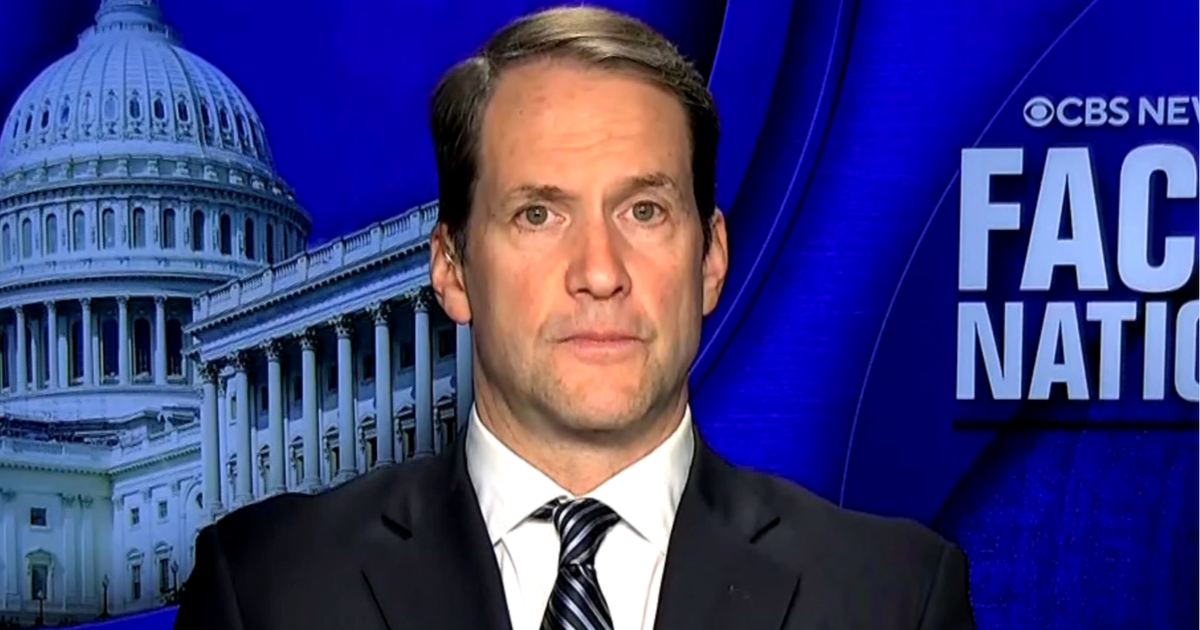
The following is the transcript of an interview with Rep. Jim Himes, Democrat of Connecticut, that aired on "Face the Nation with Margaret Brennan" on May 25, 2025. MARGARET BRENNAN: We're joined now by Congressman Jim Himes. He is the top Democrat on the Intelligence Committee, and he joins us today from Greenwich, Connecticut. Good morning to you. REP. JIM HIMES: Good morning, Margaret. Thanks for having me. MARGARET BRENNAN: You just heard the speaker. I know you did not vote for this bill.
AI Summary
Main Idea: Rep. Jim Himes said the House tax bill hurts middle-class families, raises the deficit, and gives too much to the rich, while also warning that Trump administration moves on Russia and Venezuela are politicizing national security intelligence.
Key Points:
- Himes said the bill cuts Medicaid and food aid, adds trillions to the deficit, and makes the tax code more confusing.
- He argued the U.S. should use tougher sanctions and more support for Ukraine to increase pressure on Russia.
- Himes said Trump officials are ignoring intelligence findings about Venezuela and using them to justify deportations without due process.
- He said a nominee for the National Counterterrorism Center tried to shape an intelligence report to protect Trump and the intelligence chief from bad headlines.
Impact on the People
Negative Impact
Himes warns that Trump-backed spending and immigration moves could raise deficits, cut health and food aid, and weaken due process, which may strain households and taxpayers.
Positive Impact
Stronger sanctions and more aid to Ukraine could pressure Russia and reduce long-term war risk for US voters and markets.
How did each entity affect people?
Rate how each entity in this article affected the American people.
- Primary:Representative Jim Himesperson
Candidate Entities10 candidates · 5 weighted vote min · 70% decision
- Representative Jim HimespersonPrimaryEvaluated
Central interview subject; the article is built around his comments on the budget bill, Russia-Ukraine aid, and intelligence.
Include 0 (0%)Ignore 0 (0%)5 to threshold - Donald TrumppersonMajorAI selected
Repeatedly discussed as the president whose positions on Russia, sanctions, and immigration enforcement are central to Himes’s critique.
Include 0 (0%)Ignore 0 (0%)5 to threshold - Federal Intelligence Committeegovernment agency or bodyMajorAI selected
Central congressional body tied to Himes’s role and the intelligence-policy discussion.
Include 0 (0%)Ignore 0 (0%)5 to threshold - Marco RubiopersonMajorAI selected
Named official directly criticized by Himes over intelligence-related policy and Venezuela-related claims.
Include 0 (0%)Ignore 0 (0%)5 to threshold - Vladimir PutinpersonMajorAI selected
Major foreign leader discussed in connection with the Russia-Ukraine war and U.S. leverage strategy.
Include 0 (0%)Ignore 0 (0%)5 to threshold - Defense Intelligence Agencygovernment agency or bodyContextCandidate
Cited for its assessment that the war is trending in Russia’s favor, informing the policy debate.
Include 0 (0%)Ignore 0 (0%)5 to threshold - Federal Bureau of Investigationgovernment agency or bodyContextCandidate
Referenced for its finding regarding Venezuelan government influence over Tren de Aragua.
Include 0 (0%)Ignore 0 (0%)5 to threshold
Comments 0
Comments here are the same thread shown when this article appears in The Pulse.
No comments on this article yet.
Sign in to comment