Rate 'rigging' traders say they were scapegoated - now the Supreme Court will decide
Read Original Source
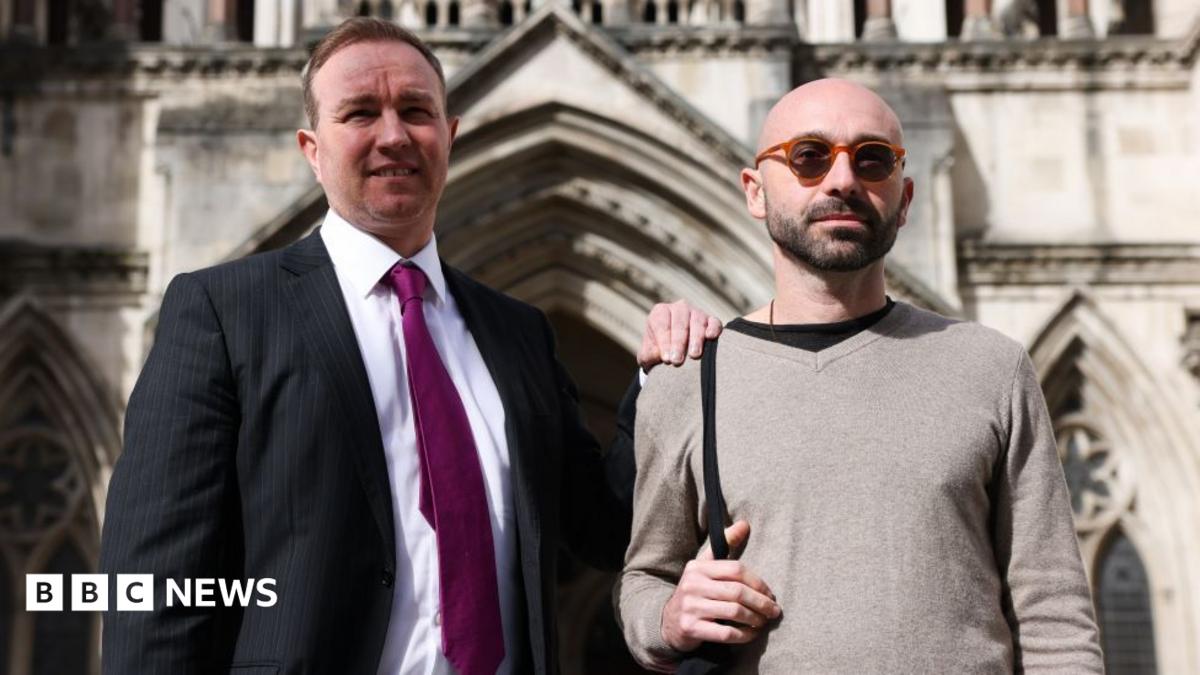
Tom Hayes and Carlo Palombo were among 37 City traders prosecuted for "manipulating" the interest rate benchmarks Libor and Euribor The Supreme Court is poised to rule on the cases of two former City traders jailed for rigging interest rates, amid concerns raised by senior politicians that there may have been a series of miscarriages of justice.
AI Summary
Main Idea: The Supreme Court is set to decide whether former traders Tom Hayes and Carlo Palombo were wrongly convicted in the Libor and Euribor interest rate scandal.
Key Points:
- Hayes and Palombo say they were scapegoated for conduct that was common in the banking industry.
- Their cases could affect the remaining convictions from nine criminal trials linked to the scandal.
- The article says evidence later emerged that some central banks and officials also pushed benchmark rates lower during the financial crisis.
- The Serious Fraud Office opposes their appeal and says the convictions were for conspiracy to defraud.
Impact on the People
Negative Impact
If the Supreme Court overturns the convictions, some Americans may see renewed doubts about bank fairness and the stability of loan pricing tied to Libor-era benchmarks.
Positive Impact
A ruling that clears up the law could restore trust and help workers, households, and small businesses know whether past prosecutions were fair.
How did each entity affect people?
Rate how each entity in this article affected the American people.
- Primary:Carlo Palomboperson
- Primary:Supreme Courtgovernment agency or body
- Primary:Tom Hayesperson
Candidate Entities10 candidates · 5 weighted vote min · 70% decision
- Carlo PalombopersonPrimaryEvaluated
Former trader whose Supreme Court appeal is a central focus of the story.
Include 0 (0%)Ignore 0 (0%)5 to threshold - Supreme Courtgovernment agency or bodyPrimaryEvaluated
The court is poised to issue the key judgment that could affect the convictions discussed in the article.
Include 0 (0%)Ignore 0 (0%)5 to threshold - Tom HayespersonPrimaryEvaluated
Former City trader at the center of the Supreme Court case and the article’s main subject.
Include 0 (0%)Ignore 0 (0%)5 to threshold - John McDonnellpersonMajorAI selected
Named former shadow chancellor publicly arguing the traders were scapegoated and calling for a public inquiry.
Include 0 (0%)Ignore 0 (0%)5 to threshold - Secretary David DavispersonMajorAI selected
Named former Brexit secretary publicly pressing the miscarriage-of-justice argument and supporting a public inquiry.
Include 0 (0%)Ignore 0 (0%)5 to threshold - United States Department of Justicegovernment agency or bodyMajorAI selected
Played a major role in accusing Hayes and later revoking related charges, which is central to the narrative.
Include 0 (0%)Ignore 0 (0%)5 to threshold - BarclayscompanyContextCandidate
Palombo’s former bank and a supporting corporate entity in the scandal.
Include 0 (0%)Ignore 0 (0%)5 to threshold
Comments 0
Comments here are the same thread shown when this article appears in The Pulse.
No comments on this article yet.
Sign in to comment