Tulsi Gabbard resigns as US director of national intelligence
Read Original Source
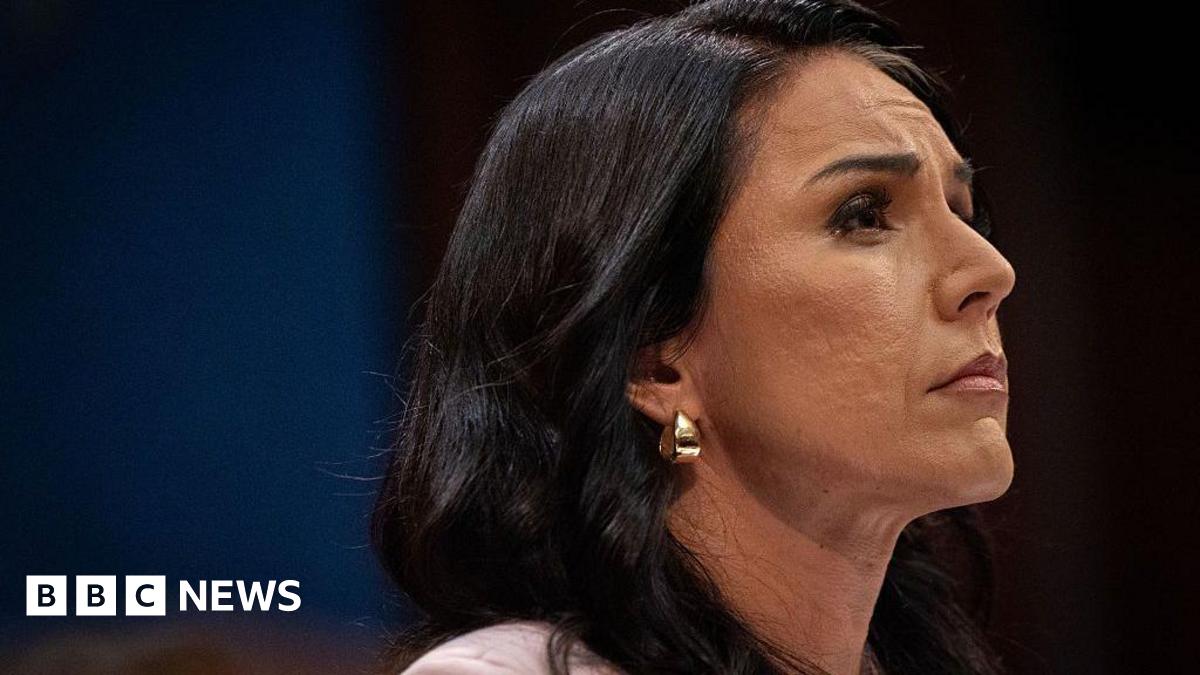
Tulsi Gabbard will resign from her position as the US director of national intelligence in the Trump administration, citing her husband's recent bone cancer diagnosis. "His strength and love have sustained me through every challenge," she wrote in her resignation letter on Friday. "I cannot in good conscience ask him to face this fight alone while I continue in this demanding and time-consuming position.
AI Summary
Main Idea: Tulsi Gabbard is resigning as US director of national intelligence, and President Donald Trump says she will be missed.
Key Points:
- Gabbard said she is leaving because her husband has been diagnosed with bone cancer and needs her support.
- Her resignation takes effect on 30 June, and Aaron Lukas will serve as acting director.
- Trump praised Gabbard, who has been a close supporter, and said she had done an excellent job.
- Her exit comes after months of scrutiny over her views on Iran and amid broader changes in Trump’s second administration.
Impact on the People
Negative Impact
Tulsi Gabbard's exit could slow intelligence leadership and add uncertainty during a tense period on Iran and other security issues.
Positive Impact
A new acting director may give the administration a chance to reset intelligence priorities and staffing.
How did each entity affect people?
Rate how each entity in this article affected the American people.
- Primary:Tulsi Gabbardperson
Candidate Entities10 candidates · 5 weighted vote min · 70% decision
- Tulsi GabbardpersonPrimaryEvaluated
Central figure in the article; her resignation from the director of national intelligence role is the main news.
Include 0 (0%)Ignore 0 (0%)5 to threshold - President Donald TrumppersonMajorAI selected
Named president who announced her departure and is directly tied to the cabinet change and Iran-related context.
Include 0 (0%)Ignore 0 (0%)5 to threshold - Aaron LukaspersonContextCandidate
Named principal deputy director who will serve as acting director after Gabbard’s resignation.
Include 0 (0%)Ignore 0 (0%)5 to threshold - United StatescountryContextCandidate
Central national context for the intelligence leadership change and Iran policy discussion.
Include 0 (0%)Ignore 0 (0%)5 to threshold - Abraham GabbardpersonMinorCandidate
Gabbard’s husband; his cancer diagnosis is the stated reason for her resignation.
Include 0 (0%)Ignore 0 (0%)5 to threshold - Democratspolitical organizationMinorCandidate
Mentioned because Gabbard previously served as a Democrat and later left the party.
Include 0 (0%)Ignore 0 (0%)5 to threshold - Director Joe KentpersonMinorCandidate
Former top aide whose earlier resignation is referenced as part of the broader personnel shakeup.
Include 0 (0%)Ignore 0 (0%)5 to threshold
Comments 0
Comments here are the same thread shown when this article appears in The Pulse.
No comments on this article yet.
Sign in to comment