Belarus frees jailed opposition leader, 13 others after visit from U.S. envoy
Read Original Source
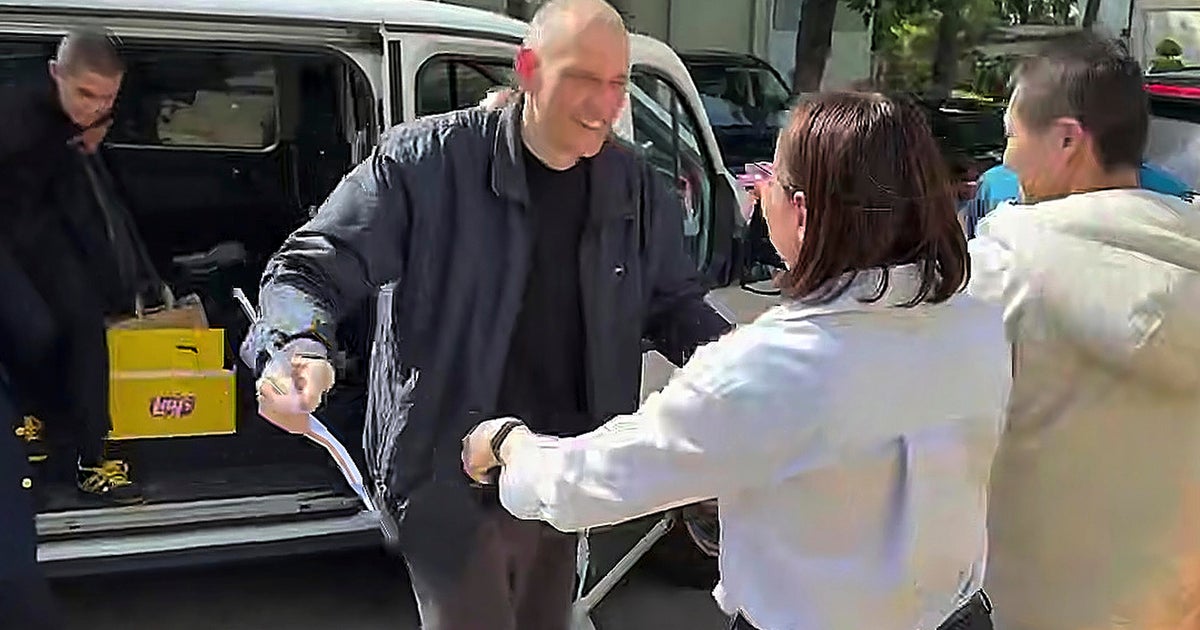
Belarus freed top opposition figure Sergei Tikhanovsky and more than a dozen other political prisoners Saturday following an appeal from the White House, Tsikhanouskaya's team announced on Saturday, a sign of warming ties between Washington and Belarus-ally Moscow. The release came just hours after retired Lt. Gen. Keith Kellogg, President Trump's special envoy for Ukraine and Russia, met Belarusian President Alexander Lukashenko in Minsk, the highest-profile visit of a U.S.
AI Summary
Main Idea: Belarus freed opposition leader Sergei Tikhanovsky and 13 others after a U.S. envoy’s visit, in a move tied to President Donald Trump’s push for the release.
Key Points:
- Tikhanovsky, who had been jailed for more than five years, was among the political prisoners released and sent to Lithuania.
- His wife, Sviatlana Tsikhanouskaya, thanked Trump for helping secure the deal.
- The release came shortly after U.S. envoy Keith Kellogg met President Alexander Lukashenko in Minsk.
- Belarus still holds more than 1,000 political prisoners, and Lukashenko remains in power after years of harsh crackdowns on opposition.
Impact on the People
Negative Impact
US-Belarus talks may ease tensions,. They can also blur hard lines on human rights and leave more than 1,000 political prisoners still at risk.
Positive Impact
No clear positive impact identified.
How did each entity affect people?
Rate how each entity in this article affected the American people.
- Primary:
- Primary:President Donald Trumpperson
- Primary:Sergei Tikhanovskyperson
Candidate Entities10 candidates · 5 weighted vote min · 70% decision
- President Alexander LukashenkopersonPrimaryEvaluated
Belarusian president whose order to free prisoners is a major focus.
Include 0 (0%)Ignore 0 (0%)5 to threshold - President Donald TrumppersonPrimaryEvaluated
His administration’s appeal and implied role in the prisoner release are central to the story.
Include 0 (0%)Ignore 0 (0%)5 to threshold - Sergei TikhanovskypersonPrimaryEvaluated
Freed Belarusian opposition leader and central subject of the article.
Include 0 (0%)Ignore 0 (0%)5 to threshold - Keith KelloggpersonMajorAI selected
U.S. special envoy whose meeting in Minsk immediately preceded the release.
Include 0 (0%)Ignore 0 (0%)5 to threshold - Sviatlana TsikhanouskayapersonMajorAI selected
Key opposition figure reacting to and thanking Trump for the release.
Include 0 (0%)Ignore 0 (0%)5 to threshold - United StatescountryMajorAI selected
Central diplomatic actor through the envoy visit and appeal from Washington.
Include 0 (0%)Ignore 0 (0%)5 to threshold - European Unioninternational organizationContextCandidate
EU leadership publicly welcomed the release and called for more prisoners to be freed.
Include 0 (0%)Ignore 0 (0%)5 to threshold - Lithuanian governmentgovernment agency or bodyContextCandidate
Belarusian prisoners were transferred to Lithuania and treated there, making it part of the release aftermath.
Include 0 (0%)Ignore 0 (0%)5 to threshold
Comments 0
Comments here are the same thread shown when this article appears in The Pulse.
No comments on this article yet.
Sign in to comment