Florida officials ask Supreme Court to allow enforcement of immigration law
Read Original Source
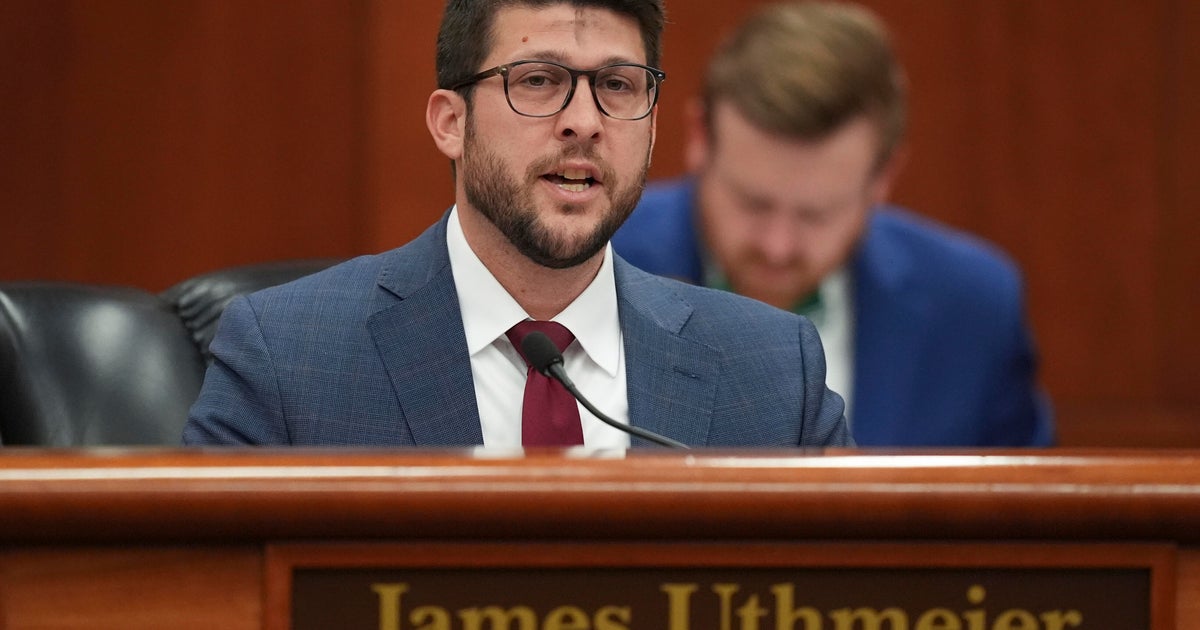
Washington — Florida officials asked the Supreme Court on Monday to allow the state to enforce a new immigration law that makes it a crime for people in the United States unlawfully to enter Florida. In an emergency appeal to the high court, Florida Attorney General James Uthmeier asked the justices to put on hold a federal judge's decision preventing law enforcement officers from enforcing the new law, known as SB 4-C. The judge, U.S.
AI Summary
Main Idea: Florida is asking the Supreme Court to let it enforce a new immigration law that a federal judge has blocked as likely unconstitutional.
Key Points:
- Florida Attorney General James Uthmeier filed an emergency appeal with the Supreme Court to lift the block on the law.
- The law makes it a crime for some people in the United States unlawfully to enter or re-enter Florida.
- A federal judge said the law is likely unconstitutional, and a contempt ruling followed after Florida officials disputed the court’s order.
- Supporters say the law is meant to help fight illegal immigration and protect Florida’s sovereignty, while challengers say federal law preempts it.
Impact on the People
Negative Impact
Florida’s law could increase fear, arrests, and court fights for migrants and local agencies, with costs that may reach taxpayers and small businesses.
Positive Impact
Supporters say the law could help some residents feel safer and give state officers more power to enforce immigration rules.
How did each entity affect people?
Rate how each entity in this article affected the American people.
- Primary:
- Primary:Floridastate
Candidate Entities9 candidates · 5 weighted vote min · 70% decision
- Attorney General James UthmeierpersonPrimaryEvaluated
Florida’s attorney general, the named official making the emergency appeal and defending the state’s position.
Include 0 (0%)Ignore 0 (0%)5 to threshold - FloridastatePrimaryEvaluated
Central government actor whose officials are seeking to enforce the immigration law and are the focus of the.
Include 0 (0%)Ignore 0 (0%)5 to threshold - Supreme Court of the United Statesgovernment agency or bodyPrimaryAI selected
The court being asked to intervene and allow enforcement of Florida’s immigration law.
Include 0 (0%)Ignore 0 (0%)5 to threshold - Farmworker Association of Floridanonprofit / NGOMajorAI selected
One of the plaintiffs suing over the law and a major civil-society actor in the case.
Include 0 (0%)Ignore 0 (0%)5 to threshold - Florida Immigrant Coalitionnonprofit / NGOMajorAI selected
One of the plaintiffs challenging the law as preempted by federal law and unconstitutional.
Include 0 (0%)Ignore 0 (0%)5 to threshold - Judge Kathleen WilliamspersonMajorAI selected
The federal judge whose ruling blocked enforcement and whose contempt finding is a major part of the article.
Include 0 (0%)Ignore 0 (0%)5 to threshold - United States District Court for the Southern District of Floridagovernment agency or bodyMajorAI selected
The court issuing the injunction and contempt-related orders central to the dispute.
Include 0 (0%)Ignore 0 (0%)5 to threshold
Comments 0
Comments here are the same thread shown when this article appears in The Pulse.
No comments on this article yet.
Sign in to comment