Trump signs his huge tax and spending bill into law
Read Original Source
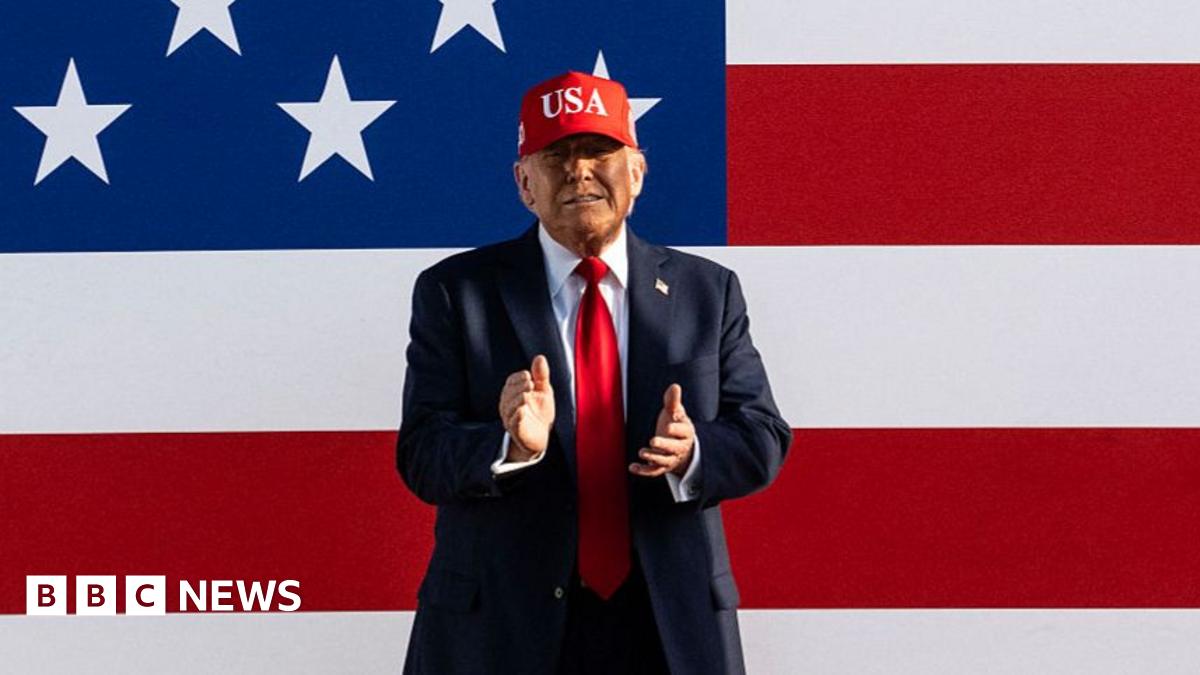
Anthony Zurcher: Passage of megabill is big win for Trump US President Donald Trump has signed his landmark policy bill into law, a day after it was narrowly passed by Congress. The signing event at the White House on Friday afternoon enacts key parts of the Trump agenda including tax cuts, spending boosts for defence and the immigration crackdown.
AI Summary
Main Idea: President Donald Trump signed a major tax and spending bill into law after Congress narrowly approved it, making a big victory for his agenda.
Key Points:
- The bill extends Trump-era tax cuts and adds new breaks on tips, overtime, and some Social Security income.
- It also increases defense and immigration enforcement funding while cutting clean energy tax credits.
- The measure cuts spending on Medicaid and food aid, drawing strong criticism from Democrats and some Republicans.
- Analysts say the bill could raise the deficit and mostly benefit higher-income Americans.
Impact on the People
Negative Impact
Cuts to Medicaid and food aid could leave millions of low-income and disabled Americans with less help, while the bill may also add to the federal debt.
Positive Impact
Some workers and taxpayers could benefit from lower taxes on tips, overtime, and Social Security, along with more defense and border spending.
How did each entity affect people?
Rate how each entity in this article affected the American people.
- Primary:President Donald Trumpperson
- Major:Congressgovernment agency or body
Candidate Entities12 candidates · 5 weighted vote min · 70% decision
- President Donald TrumppersonPrimaryEvaluated
Central actor who signed the tax and spending bill into law and is the main focus of the.
Include 0 (0%)Ignore 0 (0%)5 to threshold - Congressgovernment agency or bodyMajorEvaluated
The legislative body that narrowly passed the bill, making the story about its action central.
Include 0 (0%)Ignore 0 (0%)5 to threshold - House Minority Leader Hakeem JeffriespersonMajorAI selected
Led the House opposition with a marathon speech and is a major named political figure in the vote.
Include 0 (0%)Ignore 0 (0%)5 to threshold - House of Representativesgovernment agency or bodyMajorAI selected
Central chamber that narrowly approved the bill after prolonged debate.
Include 0 (0%)Ignore 0 (0%)5 to threshold - Immigration and Customs Enforcementgovernment agency or bodyMajorAI selected
Named as a major recipient of increased funding and a key enforcement actor in the bill.
Include 0 (0%)Ignore 0 (0%)5 to threshold - Republicanspolitical organizationMajorAI selected
The president’s party is central to the bill’s passage, internal opposition, and support for the legislation.
Include 0 (0%)Ignore 0 (0%)5 to threshold - Senategovernment agency or bodyMajorAI selected
Central chamber in the bill’s passage, including the tie-breaking vote.
Include 0 (0%)Ignore 0 (0%)5 to threshold
Comments 0
Comments here are the same thread shown when this article appears in The Pulse.
No comments on this article yet.
Sign in to comment