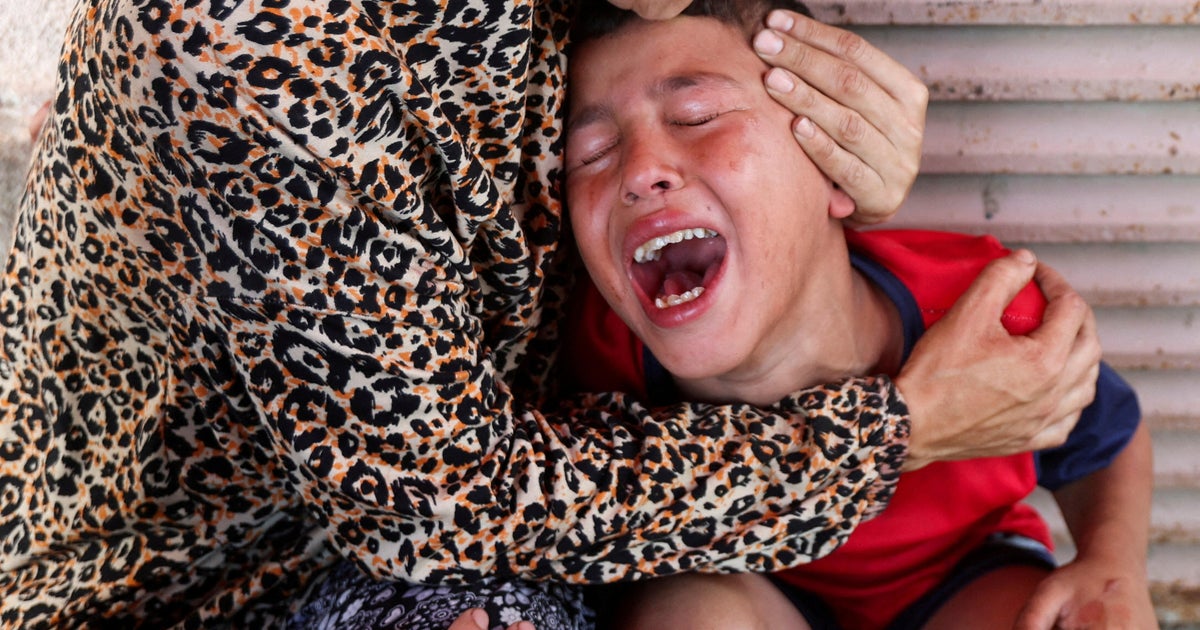
10 children among 15 killed in Israeli strike at Gaza clinic, charity says
Read Original Source
Tel Aviv — After five days of negotiations in Qatar and two meetings in Washington between Israel's Prime Minister Benjamin Netanyahu and President Trump, there was still no ceasefire agreement for Gaza on Thursday, as Netanyahu prepared to leave Washington to fly back home. At the start of the week, the Trump administration sounded optimistic that a deal could be done as soon as the weekend. On Wednesday evening, however, a senior Israeli official said it could still take 20 more days to reach an agreement.
AI Summary
Main Idea: A Gaza clinic strike killed 15 civilians, as ceasefire talks involving Benjamin Netanyahu and President Donald Trump remained unresolved and the war with Hamas continued.
Key Points:
- Project HOPE said the strike hit just outside its health clinic in Deir al-Balah as people waited for treatment.
- The charity said 10 children and two women were among the dead, and many others were hurt.
- The Israeli military said it was targeting a person linked to the Oct. 7 Hamas attack and said it was reviewing the strike.
- The attack came as Gaza fighting continued and pressure grew on Netanyahu to reach a ceasefire deal.
Impact on the People
Negative Impact
The Gaza violence and failed ceasefire talks could keep US prices for fuel and some goods volatile and add pressure on US taxpayers and voters if the conflict widens.
Positive Impact
If Netanyahu and Trump help secure a deal, US families could see lower war risk and less strain on aid, markets, and military costs.
How did each entity affect people?
Rate how each entity in this article affected the American people.
- Primary:Hamaspolitical organization
Candidate Entities6 candidates · 5 weighted vote min · 70% decision
- Hamaspolitical organizationPrimaryEvaluated
Central opposing actor in the Gaza war and ceasefire context.
Include 0 (0%)Ignore 0 (0%)5 to threshold - Prime Minister Benjamin NetanyahupersonPrimaryAI selected
Central political actor whose Washington meetings and departure are a main focus of the article.
Include 0 (0%)Ignore 0 (0%)5 to threshold - President Donald TrumppersonMajorAI selected
Named U.S. president whose negotiations with Israel are central to the ceasefire reporting.
Include 0 (0%)Ignore 0 (0%)5 to threshold - United StatescountryMajorAI selected
Central country in the negotiations, with its president and administration engaged in ceasefire efforts.
Include 0 (0%)Ignore 0 (0%)5 to threshold - Dr. Mithqal AbutahapersonContextCandidate
Named Project HOPE project manager quoted describing the attack and casualties.
Include 0 (0%)Ignore 0 (0%)5 to threshold - Rabih TorbaypersonContextCandidate
Named Project HOPE leader quoted on the strike and its humanitarian impact.
Include 0 (0%)Ignore 0 (0%)5 to threshold
Comments 0
Comments here are the same thread shown when this article appears in The Pulse.
No comments on this article yet.
Sign in to comment