Why a 'mini Trump' is breaking through in Japan
Read Original Source
TOKYO — As President Donald Trump’s tariffs add to a sense of uncertainty in Japan, more voters here are embracing an idea inspired by their longtime ally the United States: “Japanese first.” Limited time: Save 25% on NBC News subscription Get exclusive reporting, live Q&As and ad-free reading. The nationalist slogan helped the right-wing populist party Sanseito make big gains in Japan’s parliamentary elections on Sunday, as it capitalized on economic malaise and concerns about immigration and overtourism.
AI Summary
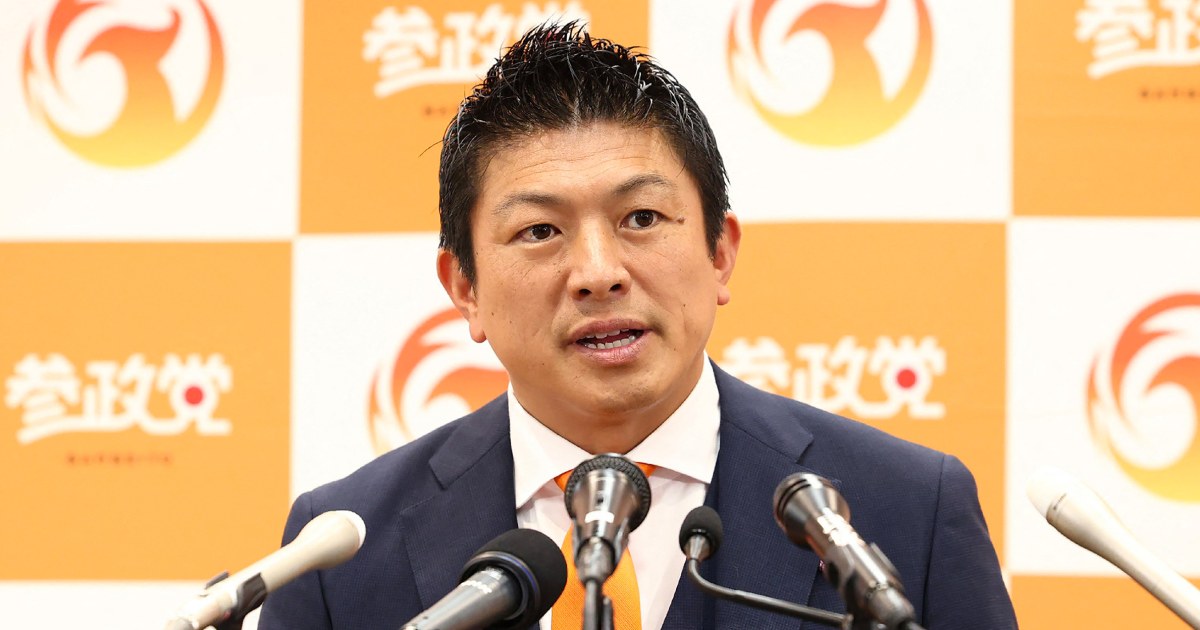
Main Idea: Sohei Kamiya’s Sanseito party gained ground in Japan’s election by tapping voter anger over the economy, immigration, and a “Japanese first” message.
Key Points:
- Sanseito won 14 more seats in Japan’s upper house, a big jump for a party that started as a fringe anti-vaccine movement online.
- Kamiya, who has been compared to a “mini-Trump,” used nationalist and anti-globalization themes to connect with frustrated voters.
- Prime Minister Shigeru Ishiba’s ruling Liberal Democratic Party lost its majority in both houses, adding pressure for him to resign.
- The party’s rise reflects wider public worries about stagnant wages, higher prices, and Japan’s growing debate over foreign workers and residents.
Impact on the People
Negative Impact
Japan’s nationalist shift and tariff tensions could keep global trade shaky, which may raise costs for US consumers and small businesses tied to Japanese goods.
Positive Impact
US voters may see another example of how economic stress and immigration fears can push populist politics, which can shape future campaign debates.
How did each entity affect people?
Rate how each entity in this article affected the American people.
- Primary:Sanseitopolitical organization
- Primary:Sohei Kamiyaperson
- Major:Liberal Democratic Partypolitical organization
Candidate Entities8 candidates · 5 weighted vote min · 70% decision
- Sanseitopolitical organizationPrimaryEvaluated
The party whose election gains and platform are the main subject of the story.
Include 0 (0%)Ignore 0 (0%)5 to threshold - Sohei KamiyapersonPrimaryEvaluated
Leader of Sanseito and the central political figure in the article’s discussion of Japan’s right-wing populist surge.
Include 0 (0%)Ignore 0 (0%)5 to threshold - Liberal Democratic Partypolitical organizationMajorEvaluated
Ruling party that suffered major losses and is central to the election results.
Include 0 (0%)Ignore 0 (0%)5 to threshold - President Donald TrumppersonMajorAI selected
Referenced as a major influence and comparison point for the nationalist politics discussed in the article.
Include 0 (0%)Ignore 0 (0%)5 to threshold - Shigeru IshibapersonMajorAI selected
Japan’s prime minister and a central figure in the election fallout described in the article.
Include 0 (0%)Ignore 0 (0%)5 to threshold - Democratic Party for the Peoplepolitical organizationContextCandidate
Upstart party noted as another beneficiary of voter discontent.
Include 0 (0%)Ignore 0 (0%)5 to threshold - Temple Universityeducational / research institutionContextCandidate
Institutional affiliation of the quoted professor providing analysis.
Include 0 (0%)Ignore 0 (0%)5 to threshold
Comments 0
Comments here are the same thread shown when this article appears in The Pulse.
No comments on this article yet.
Sign in to comment