Supreme Court sides with Mississippi death row inmate who alleged racial bias in jury selection
Read Original Source
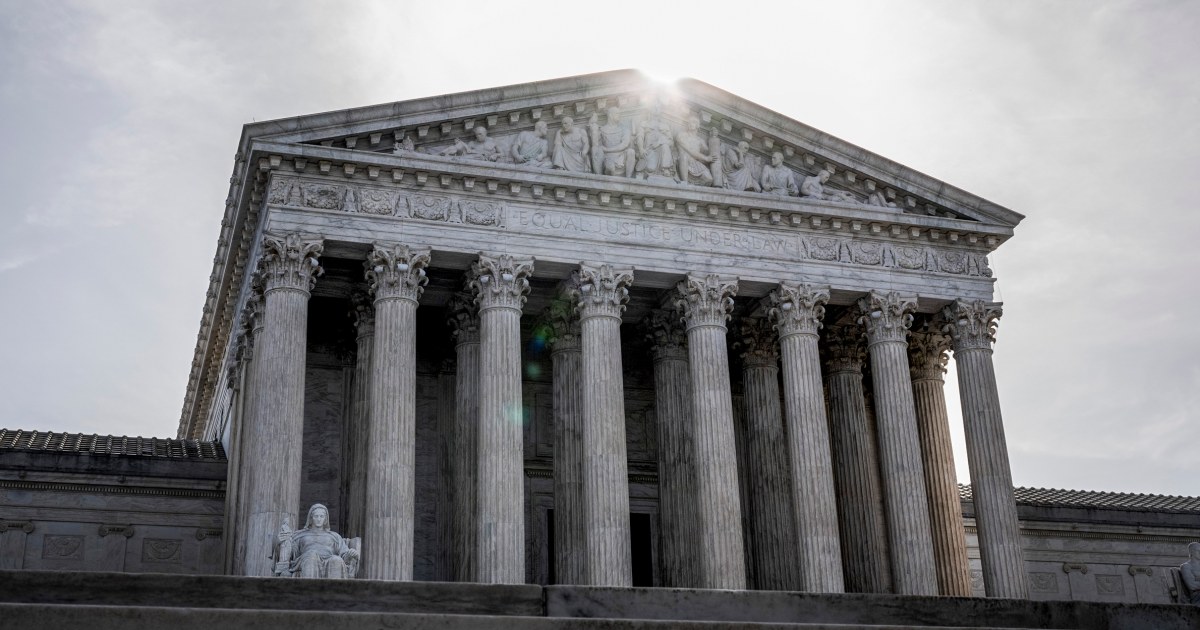
WASHINGTON — The Supreme Court ruled Thursday in favor of a Black man on death row in Mississippi who objected when a prosecutor sought to exclude potential jury members who were Black, paving the way for his conviction to be thrown out. Subscribe to read this story ad-free Get unlimited access to ad-free articles and exclusive content. The 5-4 ruling is a victory for Terry Pitchford, who was 18 at the time of the crime. He was convicted in the killing of grocery store owner Reuben Britt during a robbery in 2004.
AI Summary
Main Idea: The Supreme Court ruled for Mississippi death row inmate Terry Pitchford, saying he deserved a fair chance to challenge possible racial bias in jury selection.
Key Points:
- The 5-4 decision could lead to Pitchford’s conviction being thrown out when the case returns to lower courts.
- Pitchford said prosecutors wrongly excluded Black potential jurors, violating rules against racial bias in jury picks.
- Justice Brett Kavanaugh wrote for the majority that defense lawyers must be allowed to challenge race-neutral reasons offered for striking jurors.
- The dissent said the court went too far, while Pitchford’s lawyers said he is entitled to a new trial without racial taint.
Impact on the People
Negative Impact
Mississippi may face more appeals and costs if the conviction is overturned or retried, delaying closure for victims and taxpayers.
Positive Impact
The ruling strengthens fair jury selection rules, which can improve trust in courts for voters and communities.
How did each entity affect people?
Rate how each entity in this article affected the American people.
- Primary:Terry Pitchfordperson
Candidate Entities12 candidates · 5 weighted vote min · 70% decision
- Terry PitchfordpersonPrimaryEvaluated
The death row inmate at the center of the article and the direct beneficiary of the Supreme Court.
Include 0 (0%)Ignore 0 (0%)5 to threshold - Supreme Court of the United Statesgovernment agency or bodyPrimaryAI selected
Central decision-maker in the ruling that sided with Terry Pitchford and sent the case back to lower courts.
Include 0 (0%)Ignore 0 (0%)5 to threshold - Doug EvanspersonMajorAI selected
Prosecutor whose jury-selection practices are central to the racial-bias claim discussed in the story.
Include 0 (0%)Ignore 0 (0%)5 to threshold - Fifth U.S. Circuit Court of Appealsgovernment agency or bodyMajorAI selected
Federal appeals court that rejected Pitchford’s claim before the Supreme Court reversed course.
Include 0 (0%)Ignore 0 (0%)5 to threshold - Justice Brett KavanaughpersonMajorAI selected
Author of the majority opinion and a key voice in the Court’s decision.
Include 0 (0%)Ignore 0 (0%)5 to threshold - MississippistateMajorAI selected
State whose courts, prosecutors, and death penalty system are central to the case.
Include 0 (0%)Ignore 0 (0%)5 to threshold - Mississippi Supreme Courtgovernment agency or bodyMajorAI selected
State court whose earlier ruling on Pitchford’s claim is an important part of the legal dispute.
Include 0 (0%)Ignore 0 (0%)5 to threshold
Comments 0
Comments here are the same thread shown when this article appears in The Pulse.
No comments on this article yet.
Sign in to comment