U.S.-Iran talks postponed as Vance cancels trip and Israel intensifies strikes in southern Lebanon
Read Original Source
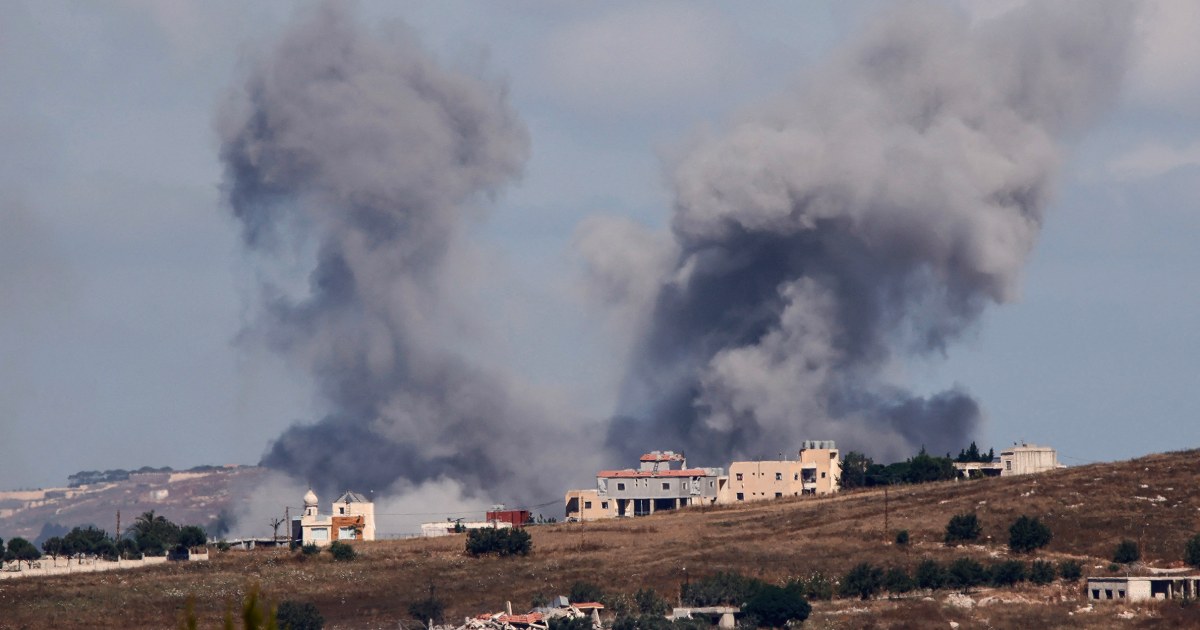
Israel and militant group Hezbollah agreed to a ceasefire Friday, after a deadly escalation between the two in Lebanon looked set to derail Washington-Tehran peace talks in Switzerland. Subscribe to read this story ad-free Get unlimited access to ad-free articles and exclusive content. President Donald Trump told NBC News in a phone call Friday afternoon that he spoke with Israel and asked them to agree to a ceasefire. “It’s a positive,” he said, adding: “It’s a little icing on the cake.
AI Summary
Main Idea: U.S.-Iran peace talks were postponed after Israel’s heavy strikes in Lebanon raised tensions and led Vice President JD Vance to cancel his trip.
Key Points:
- Israel and Hezbollah agreed to a ceasefire, but fighting and accusations of violations continued in Lebanon.
- President Donald Trump said he pushed Israel to accept the ceasefire and called the result a positive step.
- U.S. officials said the talks in Switzerland were delayed after the Israeli attacks, and Vance’s travel was canceled.
- The new deal between the U.S. and Iran calls for an end to fighting on all fronts, including Lebanon, but Israel’s actions have put it at risk.
Impact on the People
Negative Impact
More fighting and a delayed US-Iran meeting could keep oil and shipping costs unstable, which may raise prices for US households and small businesses.
Positive Impact
A ceasefire and renewed talks could ease Middle East tensions and help support lower fuel prices and calmer markets for consumers and investors.
How did each entity affect people?
Rate how each entity in this article affected the American people.
- Primary:Hezbollahpolitical organization
- Primary:President Donald Trumpperson
- Primary:United Statescountry
Candidate Entities7 candidates · 5 weighted vote min · 70% decision
- Hezbollahpolitical organizationPrimaryEvaluated
Principal nonstate actor fighting Israel and directly affecting the ceasefire and talks.
Include 0 (0%)Ignore 0 (0%)5 to threshold - President Donald TrumppersonPrimaryEvaluated
Central U.S. political figure whose calls, comments, and role in the ceasefire and Iran talks drive the article.
Include 0 (0%)Ignore 0 (0%)5 to threshold - United StatescountryPrimaryEvaluated
Core negotiating and diplomatic actor in the peace talks with Iran and related regional diplomacy.
Include 0 (0%)Ignore 0 (0%)5 to threshold - Vice President JD VancepersonPrimaryAI selected
Major focus because he canceled travel to Switzerland and is directly tied to the postponed talks.
Include 0 (0%)Ignore 0 (0%)5 to threshold - Benjamin NetanyahupersonMajorAI selected
Israeli prime minister whose stance and orders on Hezbollah are central to the diplomatic and military developments.
Include 0 (0%)Ignore 0 (0%)5 to threshold - Secretary of State Marco RubiopersonMajorAI selected
Key U.S. official whose call with Lebanon’s president and stance on Hezbollah are part of the main narrative.
Include 0 (0%)Ignore 0 (0%)5 to threshold - QatarcountryMinorCandidate
Mentioned as a planned participant in the talks, but only in a supporting role.
Include 0 (0%)Ignore 0 (0%)5 to threshold
Comments 0
Comments here are the same thread shown when this article appears in The Pulse.
No comments on this article yet.
Sign in to comment