Trump shifts ceasefire stance and urges Ukraine to agree Russia peace deal
Read Original Source
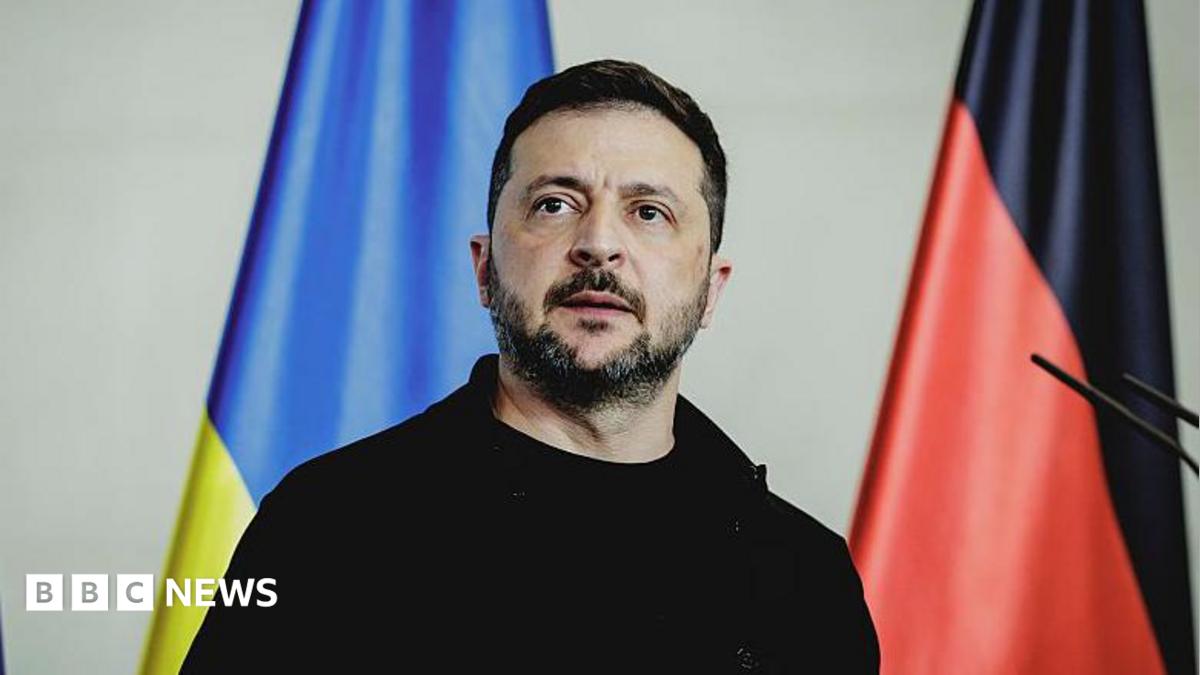
Volodymyr Zelensky has said that Russia's refusal to agree to a ceasefire is complicating efforts to end the war. "We see that Russia rebuffs numerous calls for a ceasefire and has not yet determined when it will stop the killing. This complicates the situation," the Ukrainian president said in a statement on X. On Monday, Zelensky will travel to Washington DC, where US President Donald Trump has said he will urge the Ukrainian leader to agree to a peace deal.
AI Summary
Main Idea: Trump has shifted away from a quick ceasefire and is now pressing Ukraine to accept a broader peace deal as the war with Russia continues.
Key Points:
- Trump said after meeting Vladimir Putin that a permanent peace deal is better than a ceasefire, because ceasefires often do not last.
- Volodymyr Zelensky said Russia keeps rejecting ceasefire calls, which makes ending the war harder.
- Trump is expected to urge Zelensky to agree to a deal when they meet in Washington, with Ukraine still demanding security guarantees and the return of children taken from occupied areas.
- European leaders backed talks that include Zelensky, but said Ukraine must decide on its own territory and borders should not be changed by force.
Impact on the People
Negative Impact
A drawn-out war can keep energy and food prices unstable and raise fears of a bigger conflict, which could worry US households and markets.
Positive Impact
A push for peace talks could lower the chance of more fighting and, if it works, reduce pressure on taxpayers and businesses tied to the war.
How did each entity affect people?
Rate how each entity in this article affected the American people.
- Primary:
Candidate Entities10 candidates · 5 weighted vote min · 70% decision
- President Volodymyr ZelenskypersonPrimaryEvaluated
Central actor; his response to Russia, upcoming Washington visit, and negotiation stance are major focuses.
Include 0 (0%)Ignore 0 (0%)5 to threshold - President Donald TrumppersonPrimaryAI selected
Central actor; the article focuses on his shift away from a ceasefire and his push for Ukraine to.
Include 0 (0%)Ignore 0 (0%)5 to threshold - European Unioninternational organizationMajorAI selected
Major collective actor in the diplomatic response and in supporting Ukraine’s territorial position.
Include 0 (0%)Ignore 0 (0%)5 to threshold - President Vladimir PutinpersonMajorAI selected
Major actor in the peace talks and summit discussed in the article.
Include 0 (0%)Ignore 0 (0%)5 to threshold - Sir Keir StarmerpersonMajorAI selected
Named prime minister whose comments and diplomacy on Ukraine are part of the article’s core political response.
Include 0 (0%)Ignore 0 (0%)5 to threshold - United StatescountryMajorAI selected
Major diplomatic actor through Trump’s meeting, stated position, and proposed security guarantees.
Include 0 (0%)Ignore 0 (0%)5 to threshold - Friedrich MerzpersonContextCandidate
Named German chancellor quoted reacting to the summit and security guarantee discussion.
Include 0 (0%)Ignore 0 (0%)5 to threshold
Comments 0
Comments here are the same thread shown when this article appears in The Pulse.
No comments on this article yet.
Sign in to comment