Israel approves plan for Gaza City takeover and call-up of 60,000 reservists
Read Original Source
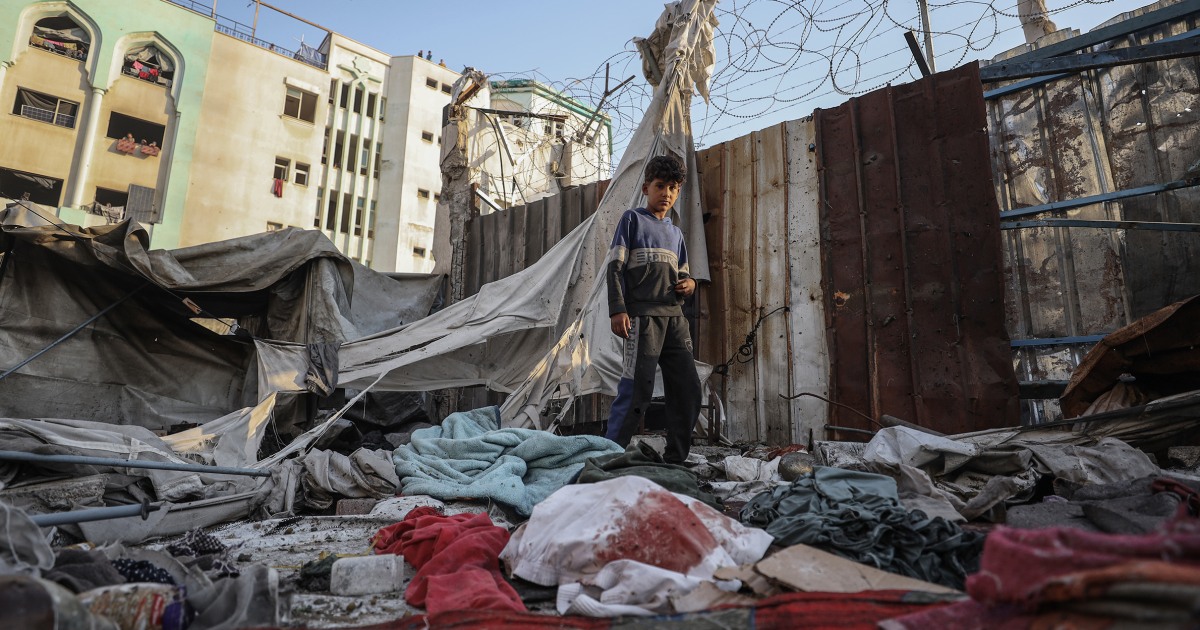
TEL AVIV — Israel entered the first stages of a planned assault on Gaza City on Wednesday after approving a plan to take it over that includes calling up 60,000 reservists for an expanded military operation in the besieged Palestinian enclave. Limited time: Save 25% on NBC News subscription Get exclusive reporting, live Q&As and ad-free reading.
AI Summary
Main Idea: Israel approved a plan to take over Gaza City, calling up tens of thousands of reservists as it moves ahead with a major new military offensive despite calls for a ceasefire.
Key Points:
- Israel said its forces have already begun the first stages of the operation and are holding positions on the outskirts of Gaza City.
- The plan includes calling up 60,000 reservists and extending the service of another 20,000 as the military prepares for a wider assault.
- The move drew sharp criticism from Hamas, the United Nations, and aid groups, which warned it could worsen civilian deaths, forced displacement, and hunger in Gaza.
- The offensive comes even as mediators push a ceasefire proposal, while protests inside Israel grow over the war and the fate of hostages.
Impact on the People
Negative Impact
Israel’s Gaza City offensive could raise oil prices, market swings, and US costs for goods and fuel, while also fueling more debate over US aid and foreign policy.
Positive Impact
No clear positive impact identified.
How did each entity affect people?
Rate how each entity in this article affected the American people.
Candidate Entities11 candidates · 5 weighted vote min · 70% decision
- Hamaspolitical organizationPrimaryEvaluated
Main opposing actor in the war, ceasefire talks, and hostage negotiations.
Include 0 (0%)Ignore 0 (0%)5 to threshold - IsraelcountryPrimaryEvaluated
Central national actor approving the Gaza City takeover plan and expanding military operations.
Include 0 (0%)Ignore 0 (0%)5 to threshold - Benjamin NetanyahupersonPrimaryAI selected
Prime minister whose directive to shorten timetables and seize control of Gaza City is central.
Include 0 (0%)Ignore 0 (0%)5 to threshold - Israel Defense Forcesgovernment agency or bodyPrimaryAI selected
Central military body carrying out the offensive, calling up reservists, and issuing operational warnings.
Include 0 (0%)Ignore 0 (0%)5 to threshold - Israel KatzpersonPrimaryAI selected
Defense minister who authorized the major new operation and held the key planning discussion.
Include 0 (0%)Ignore 0 (0%)5 to threshold - Egyptian Foreign Minister Badr AbdelattypersonMajorAI selected
Key diplomatic voice describing the ceasefire proposal and urging Israel’s response.
Include 0 (0%)Ignore 0 (0%)5 to threshold - Gaza StripcityMajorAI selected
The broader territory affected by the offensive, displacement, and hunger crisis.
Include 0 (0%)Ignore 0 (0%)5 to threshold
Comments 0
Comments here are the same thread shown when this article appears in The Pulse.
No comments on this article yet.
Sign in to comment