'Oh, my, gosh, they would never have known:' New warnings about rabies outbreaks as cases rise
Read Original Source
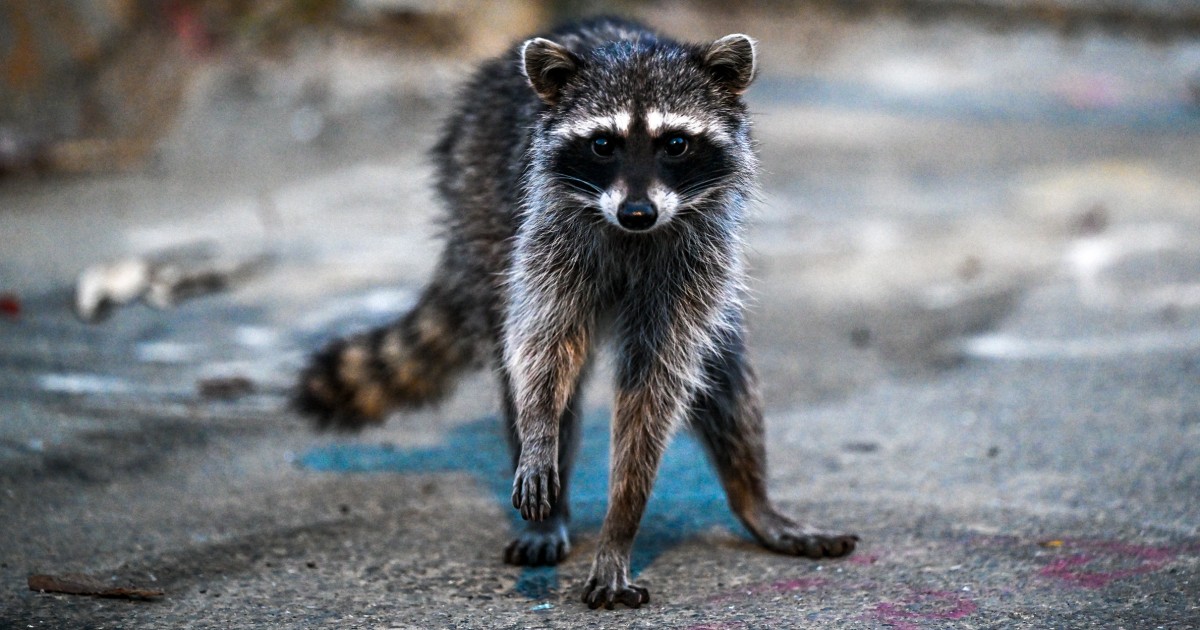
Six deaths from rabies have been reported over the last 12 months in the U.S., the highest number in years, according to the Centers for Disease Control and Prevention. From rabid skunks in Kentucky to gray foxes in Arizona and raccoons on Long Island, wild animals in more than a dozen places across the U.S. have experienced a rise in the deadly disease, at least partly driven by shrinking natural habitats and better surveillance.
AI Summary
Main Idea: Rabies cases and wildlife outbreaks are rising across the U.S., putting people like Samantha Lang and communities such as Nassau County, New York, and Franklin County, North Carolina, on alert.
Key Points:
- The CDC says six rabies deaths were reported in the U.S. over the past 12 months, the most in years.
- Officials are tracking 15 likely outbreaks in several states, with more rabid bats, foxes, raccoons, and skunks being reported.
- Samantha Lang got rabies shots after a bat likely bit her in her Indiana apartment, showing how easy exposure can be to miss.
- Experts warn that habitat loss and vaccine hesitancy could help the disease spread further, especially if pet vaccination rates fall.
Impact on the People
Negative Impact
More rabies in wildlife can expose households, pets, and workers in places like Nassau County and Franklin County, raising medical costs and emergency vaccine use.
Positive Impact
Better surveillance and quick treatment can help people spot exposure early and prevent most human deaths.
How did each entity affect people?
Rate how each entity in this article affected the American people.
No entity suggestions or linked entities saved yet.
Candidate Entities5 candidates · 5 weighted vote min · 70% decision
- Dr. Ryan WallacepersonMajorAI selected
Named CDC rabies team lead whose warnings and outbreak updates are a major part of the article.
Include 0 (0%)Ignore 0 (0%)5 to threshold - Samantha LangpersonMajorAI selected
Named individual whose bat exposure and post-exposure vaccination case illustrates the public health risk.
Include 0 (0%)Ignore 0 (0%)5 to threshold - Scott LaVignepersonMajorAI selected
Named county health director commenting on the rise in wildlife cases and local causes.
Include 0 (0%)Ignore 0 (0%)5 to threshold - MassachusettsstateContextCandidate
One of the states with outbreak areas mentioned in the article.
Include 0 (0%)Ignore 0 (0%)5 to threshold - Ohio State Universityeducational / research institutionMinorCandidate
Named in relation to the 2023 vaccine study cited as background on pet vaccination attitudes.
Include 0 (0%)Ignore 0 (0%)5 to threshold
Comments 0
Comments here are the same thread shown when this article appears in The Pulse.
No comments on this article yet.
Sign in to comment