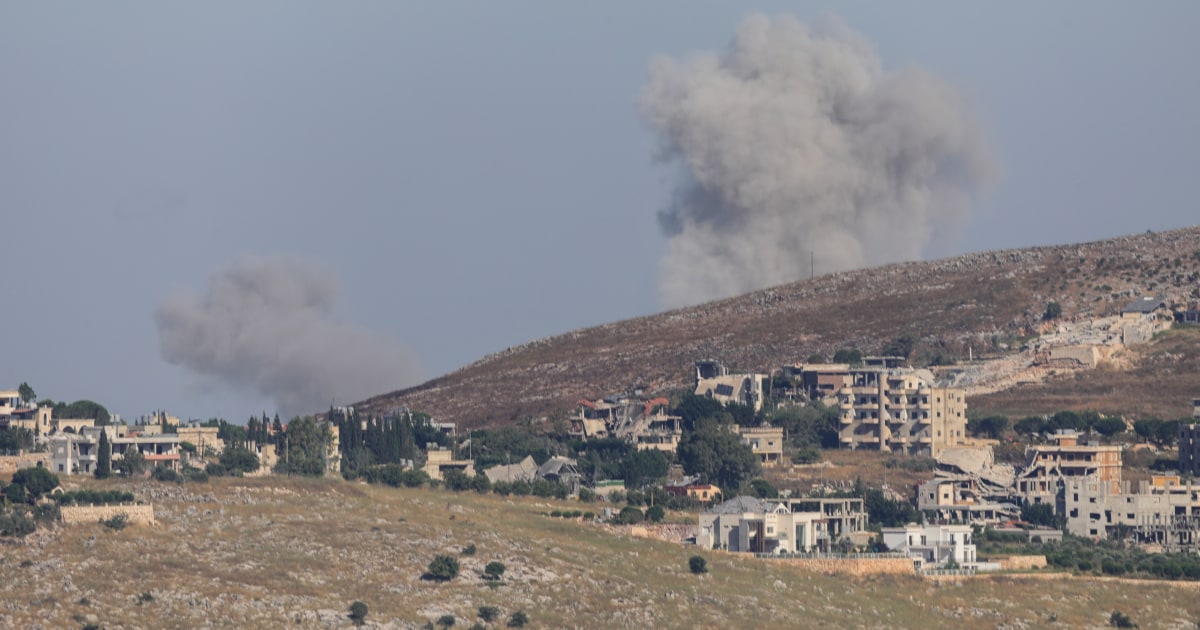
Israel continues Lebanon strikes despite fresh ceasefire
Read Original Source
Iran said Saturday that the Strait of Hormuz is closed, citing ceasefire violations after Israel continued deadly strikes in southern Lebanon overnight. Subscribe to read this story ad-free Get unlimited access to ad-free articles and exclusive content. The Islamic Revolutionary Guard Corps Navy warned ships not to approach the waterway, which Iran had committed to reopening under the interim peace deal signed this week. It said in a statement that vessels’ safety would be at risk if they did so.
AI Summary
Main Idea: Israel kept striking southern Lebanon despite a new ceasefire, while Iran said the unrest showed the wider deal was being violated.
Key Points:
- Israeli air and drone strikes in southern Lebanon killed at least 16 people, including two children, after an earlier wave of attacks killed 83, Lebanese officials said.
- Israel said Hezbollah broke the ceasefire by firing more than 50 projectiles at its forces, and it said it was acting to protect civilians.
- Hezbollah said it had followed the ceasefire and accused Israel of making false claims to justify more attacks and weaken the agreement.
- The violence raised doubts about U.S.-backed talks with Iran, and Iran said the Strait of Hormuz was closed in response to what it called breaches by the U.S. and Israel.
Impact on the People
Negative Impact
Continued fighting and any Strait of Hormuz disruption could raise fuel and shipping costs for US households and businesses, and the risk may keep markets shaky.
Positive Impact
A stable ceasefire and open shipping lanes could help ease oil prices and reduce pressure on consumer costs.
How did each entity affect people?
Rate how each entity in this article affected the American people.
- Primary:Hezbollahpolitical organization
Candidate Entities9 candidates · 5 weighted vote min · 70% decision
- Hezbollahpolitical organizationPrimaryEvaluated
Key armed and political actor in the ceasefire and fighting in Lebanon.
Include 0 (0%)Ignore 0 (0%)5 to threshold - Israel Defense Forcesgovernment agency or bodyPrimaryAI selected
Central military body carrying out and justifying the strikes.
Include 0 (0%)Ignore 0 (0%)5 to threshold - President Donald TrumppersonPrimaryAI selected
Named political leader whose remarks and threats are central to the negotiations.
Include 0 (0%)Ignore 0 (0%)5 to threshold - United StatescountryPrimaryAI selected
Major negotiating and military-diplomatic actor in the ceasefire talks and response.
Include 0 (0%)Ignore 0 (0%)5 to threshold - Benjamin NetanyahupersonMajorAI selected
Israeli prime minister whose political position and decisions are major to the article.
Include 0 (0%)Ignore 0 (0%)5 to threshold - Islamic Revolutionary Guard Corps Navygovernment agency or bodyMajorAI selected
Iranian military body issuing the Strait of Hormuz warning.
Include 0 (0%)Ignore 0 (0%)5 to threshold - United States Central Commandgovernment agency or bodyMajorAI selected
U.S. military command making an operational statement about shipping through the strait.
Include 0 (0%)Ignore 0 (0%)5 to threshold
Comments 0
Comments here are the same thread shown when this article appears in The Pulse.
No comments on this article yet.
Sign in to comment