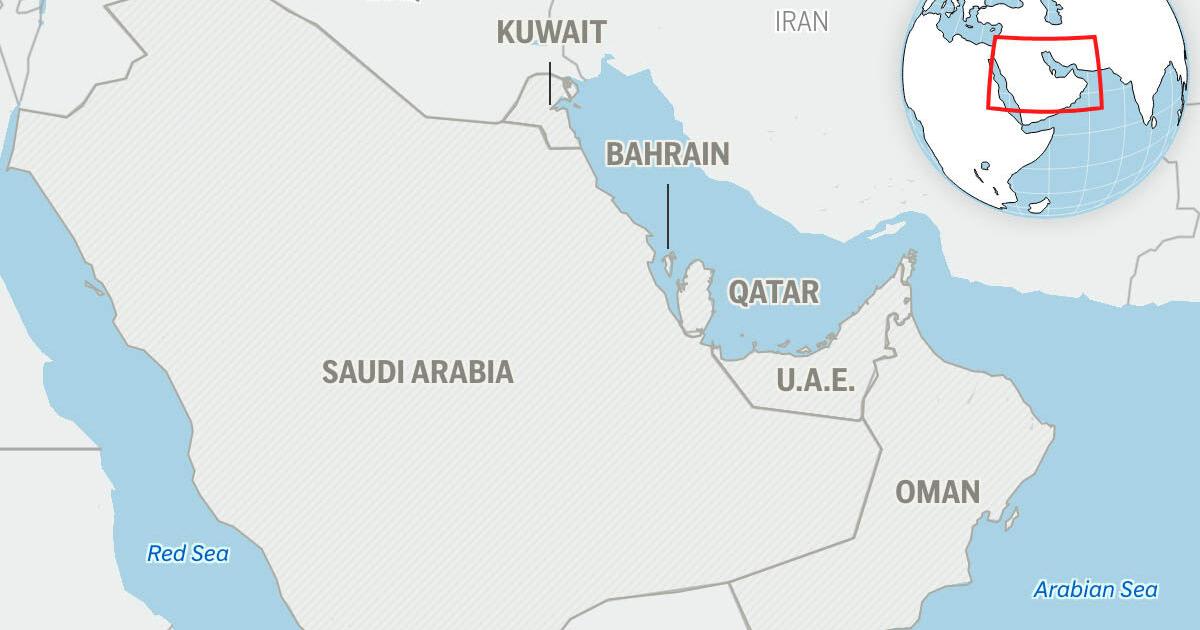
US military accuses Iran of ceasefire violation after Kuwait comes under missile attack
Read Original Source
U.S. and Iranian negotiators have reached a tentative agreement to extend the ceasefire by 60 days and launch talks on Iran’s nuclear program, according to a U.S. official familiar with the matter. A container ship sits at anchor as a small motorboat passes in the foreground in the Strait of Hormuz off Bandar Abbas, Iran, Saturday, May 2, 2026. (Amirhosein Khorgooi/ISNA via AP) A woman rides a bicycle as others cross a street in downtown Tehran, Iran, Sunday, May 24, 2026.
AI Summary
Main Idea: The United States and Iran reached a tentative ceasefire deal, but new missile attacks and U.S. strikes showed the fragile truce was still under strain.
Key Points:
- U.S. officials said the deal would extend the ceasefire by 60 days and open new talks on Iran’s nuclear program.
- U.S. Central Command said missiles fired from Iran hit Kuwait, calling it a serious ceasefire violation.
- The United States Treasury Department added new sanctions even as negotiators discussed easing some pressure if the deal holds.
- A major issue in the talks is Iran’s highly enriched uranium stockpile and what happens to it next.
Impact on the People
Negative Impact
New missile fire and sanctions could keep oil prices high, raising costs for US households and small businesses.
Positive Impact
A ceasefire extension and nuclear talks could reduce the risk of a wider war and ease energy price spikes.
How did each entity affect people?
Rate how each entity in this article affected the American people.
- Primary:United Statescountry
Candidate Entities7 candidates · 5 weighted vote min · 70% decision
- United StatescountryPrimaryEvaluated
Central state actor in the ceasefire, sanctions, and military response.
Include 0 (0%)Ignore 0 (0%)5 to threshold - President Donald TrumppersonMajorAI selected
Named U.S. leader whose approval is required for the tentative agreement.
Include 0 (0%)Ignore 0 (0%)5 to threshold - United States Central Commandgovernment agency or bodyMajorAI selected
U.S. military command cited for confirming the missile launch and attack.
Include 0 (0%)Ignore 0 (0%)5 to threshold - United States Treasury Departmentgovernment agency or bodyMajorAI selected
Central agency imposing new sanctions on Iran’s military oil sales arm.
Include 0 (0%)Ignore 0 (0%)5 to threshold - Vice President JD VancepersonMajorAI selected
Named official confirming and explaining the tentative ceasefire agreement.
Include 0 (0%)Ignore 0 (0%)5 to threshold - Secretary Scott BessentpersonContextCandidate
U.S. Treasury Secretary quoted on the oil-market impact of a deal.
Include 0 (0%)Ignore 0 (0%)5 to threshold - Islamic Republic of Iran Broadcastingmedia outletMinorCandidate
Iranian state-linked outlet referenced indirectly through the article’s description of Iran’s position.
Include 0 (0%)Ignore 0 (0%)5 to threshold
Comments 0
Comments here are the same thread shown when this article appears in The Pulse.
No comments on this article yet.
Sign in to comment