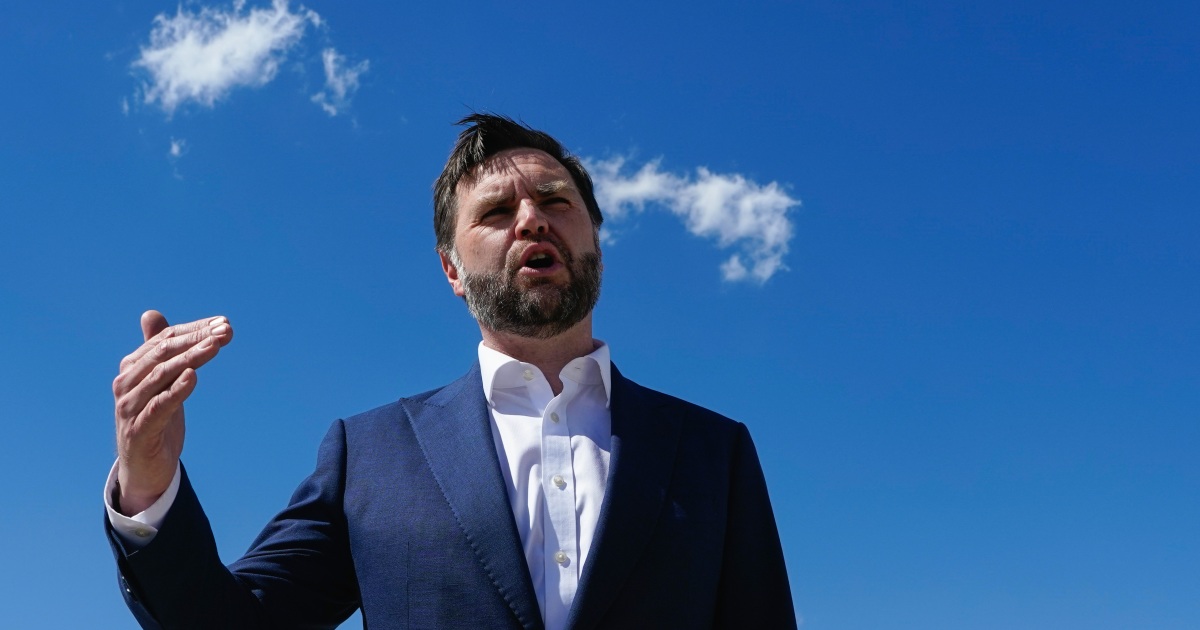
Vice President JD Vance in Switzerland for Iran talks as Trump threatens ‘guardian angel’ toll in Strait of Hormuz
Read Original Source
The U.S. and Iran, along with mediating parties, established a road map for reaching a final deal within 60 days during Sunday’s talks in Switzerland, according to a joint statement from the mediating countries. Subscribe to read this story ad-free Get unlimited access to ad-free articles and exclusive content. Sunday’s high-level talks were the first discussions under the U.S.-Iran memorandum of understanding in Bürgenstock, Switzerland, with officials from the U.S.
AI Summary
Main Idea: Vice President JD Vance joined U.S.-Iran talks in Switzerland as the two sides set a 60-day road map for a possible final deal, even as President Donald Trump threatened harsher action if Iran does not comply.
Key Points:
- U.S., Iranian, and mediating officials said the talks were “positive” and “constructive” and created a high-level committee to oversee the process.
- The road map calls for immediate technical talks on Iran’s nuclear program, sanctions, and dispute resolution.
- Trump warned Iran against blocking the Strait of Hormuz and threatened severe retaliation if it closes the waterway or keeps backing fighting in Lebanon.
- The deal remains fragile because fighting in Lebanon continues and Iran says any threat or failure to stop the violence could undermine the agreement.
Impact on the People
Negative Impact
Trump’s threats and the risk of wider fighting in Lebanon or the Strait of Hormuz could raise oil prices, which can push up gas, shipping, and store costs for US households and small businesses.
Positive Impact
Vance’s talks may lower the chance of a bigger conflict and help keep energy supplies steadier if the deal holds.
How did each entity affect people?
Rate how each entity in this article affected the American people.
- Primary:President Donald Trumpperson
- Primary:United Statescountry
- Primary:Vice President JD Vanceperson
Candidate Entities7 candidates · 5 weighted vote min · 70% decision
- President Donald TrumppersonPrimaryEvaluated
His threats and comments on Iran, Hezbollah, and the Strait of Hormuz drive the story.
Include 0 (0%)Ignore 0 (0%)5 to threshold - United StatescountryPrimaryEvaluated
Core party in the talks, ceasefire enforcement, and threats toward Iran.
Include 0 (0%)Ignore 0 (0%)5 to threshold - Vice President JD VancepersonPrimaryEvaluated
Present at the Switzerland talks and a central U.S. figure in the negotiations.
Include 0 (0%)Ignore 0 (0%)5 to threshold - Iranian Foreign Minister Seyed Abbas AraghchipersonMajorAI selected
Publicly described progress and priorities in the talks.
Include 0 (0%)Ignore 0 (0%)5 to threshold - Iranian President Masoud PezeshkianpersonMajorAI selected
Named Iranian leader responding to the ceasefire and uranium-enrichment dispute.
Include 0 (0%)Ignore 0 (0%)5 to threshold - Steve WitkoffpersonMajorAI selected
Trump special envoy directly involved in the negotiations.
Include 0 (0%)Ignore 0 (0%)5 to threshold - Jared KushnerpersonContextCandidate
Joined the negotiating delegation as a senior U.S. participant.
Include 0 (0%)Ignore 0 (0%)5 to threshold
Comments 0
Comments here are the same thread shown when this article appears in The Pulse.
No comments on this article yet.
Sign in to comment