Rising violence and a growing democratic crisis in Israel strain U.S. support
Read Original Source
For years, as Israeli politics marched steadily to the right, the growing backlash among its traditional supporters fueled concerns and warnings that the U.S. government may ultimately be forced to reconsider its role as Israel’s most important — and often most unflinching — ally. Limited time: Save 25% on NBC News subscription Get exclusive reporting, live Q&As and ad-free reading. Until now, they have remained just that: concerns and warnings.
AI Summary
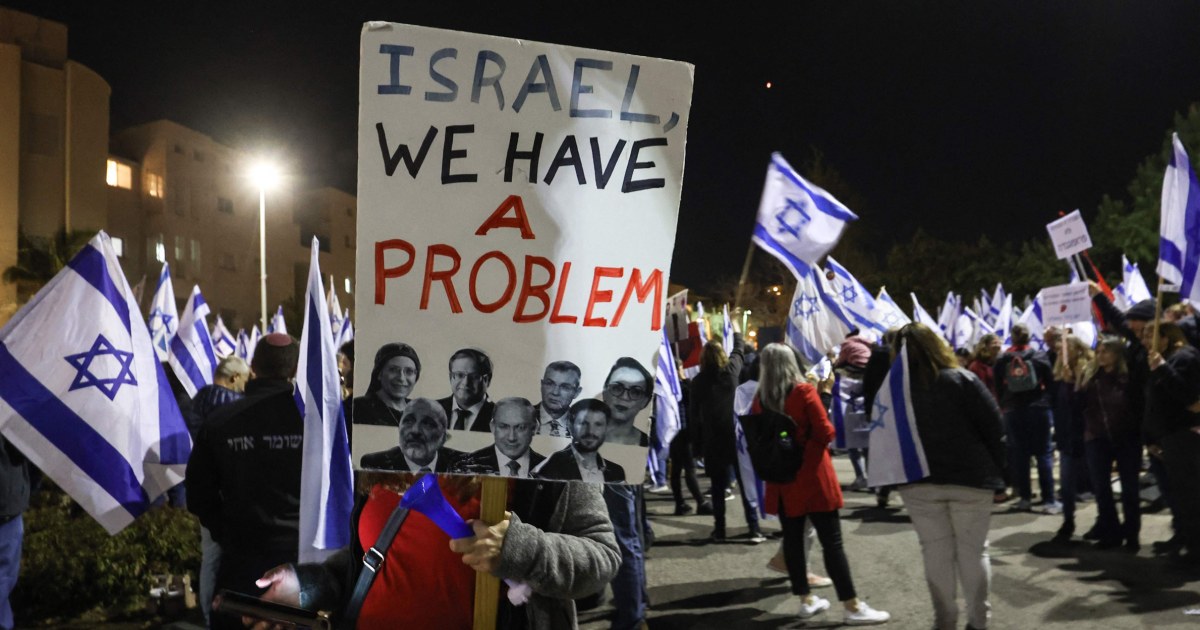
Main Idea: Netanyahu’s push to weaken Israel’s courts and the rise of far-right violence are deepening a democratic crisis that is straining U.S. support for Israel.
Key Points:
- Nationwide protests have erupted over Netanyahu’s plan to curb the Supreme Court, raising fears about Israel’s democratic future.
- Violence in the West Bank, along with inflammatory remarks from Bezalel Smotrich, has drawn sharp concern from U.S. officials and lawmakers.
- Some Democrats, Jewish leaders, and former diplomats are urging the Biden administration to use more pressure, including diplomatic and policy tools.
- The U.S. still says its security support for Israel will continue, but the crisis is also hurting Israel’s economy and raising questions about future cooperation.
Impact on the People
Negative Impact
US-Israel tensions could raise market swings, strain aid debates, and push Washington into harder choices over security and diplomacy. More violence and a weaker Israeli economy could also unsettle investors and businesses tied to the region.
Positive Impact
No clear positive impact identified.
How did each entity affect people?
Rate how each entity in this article affected the American people.
- Primary:Israelcountry
Candidate Entities9 candidates · 5 weighted vote min · 70% decision
- IsraelcountryPrimaryEvaluated
Primary country under discussion, with its government crisis, violence, and U.S. relationship at the center of the story.
Include 0 (0%)Ignore 0 (0%)5 to threshold - Prime Minister Benjamin NetanyahupersonPrimaryAI selected
Central named political leader whose plan to weaken the Supreme Court and coalition dynamics drive the article.
Include 0 (0%)Ignore 0 (0%)5 to threshold - Bezalel SmotrichpersonMajorAI selected
Israeli finance minister whose planned U.S. visit and far-right comments are a major focus.
Include 0 (0%)Ignore 0 (0%)5 to threshold - President Joe BidenpersonMajorAI selected
U.S. president whose administration is weighing the policy implications and is directly addressed by lawmakers and commentators.
Include 0 (0%)Ignore 0 (0%)5 to threshold - Secretary Lloyd AustinpersonMajorAI selected
U.S. defense secretary whose Israel trip, meetings, and public remarks are featured as a key U.S. response.
Include 0 (0%)Ignore 0 (0%)5 to threshold - Daniel KurtzerpersonContextCandidate
Former U.S. ambassador quoted advocating a tougher U.S. response to Israel.
Include 0 (0%)Ignore 0 (0%)5 to threshold - Representative Rosa DeLauropersonContextCandidate
Lead Democratic lawmaker on the letter urging President Biden to use diplomatic pressure.
Include 0 (0%)Ignore 0 (0%)5 to threshold
Comments 0
Comments here are the same thread shown when this article appears in The Pulse.
No comments on this article yet.
Sign in to comment