Trump’s war and rhetoric are drowning out the IMF’s growth agenda
Read Original Source
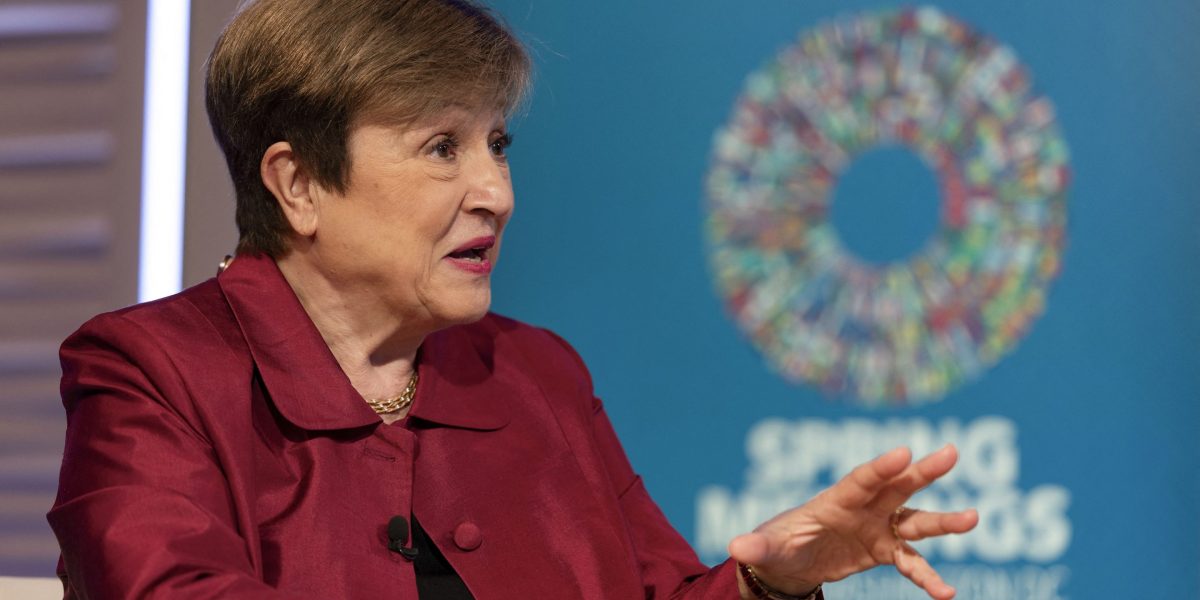
Good morning. For CEOs dealing with the uncertainty of inflation, shipping blockades, interest rates, tariffs, income inequality, AI development and more, keep an eye on the IMF-World Bank Spring Meetings in Washington this week. The gatherings offer telling clues on how central bankers, finance ministers and other policymakers view the issues impacting the global economy—and what they intend to do about it. Last year, much of the focus was on the fallout of Trump’s “Liberation Day” tariffs.
AI Summary
Main Idea: Trump’s war rhetoric and the Iran conflict are overshadowing the IMF and World Bank’s push to focus on growth, debt, and development.
Key Points:
- The IMF and World Bank meetings were meant to center on global growth, public debt, inequality, trade, and regulation.
- Instead, attention has shifted to the economic fallout from Trump’s war on Iran, especially risks to energy supplies and global markets.
- The article says the United States still has major power at both institutions, which matters for how they respond.
- It also notes that Jerome Powell’s final meeting as Fed chair comes as the U.S. role in global stability looks less certain.
Impact on the People
Negative Impact
War and trade conflict can raise energy, shipping, and food prices for US households and small businesses. IMF and World Bank leaders may have less room to push growth policies while crises dominate.
Positive Impact
No clear positive impact identified.
How did each entity affect people?
Rate how each entity in this article affected the American people.
No entity suggestions or linked entities saved yet.
Candidate Entities10 candidates · 5 weighted vote min · 70% decision
- International Monetary Fundinternational organizationPrimaryAI selected
Primary institution discussed for its growth agenda and the impact of geopolitical conflict on its meetings.
Include 0 (0%)Ignore 0 (0%)5 to threshold - President Donald TrumppersonPrimaryAI selected
Central figure in the headline and article; his war rhetoric and actions around Iran drive the main framing.
Include 0 (0%)Ignore 0 (0%)5 to threshold - Director Kristalina GeorgievapersonMajorAI selected
Named leader of the International Monetary Fund with a central agenda in the article.
Include 0 (0%)Ignore 0 (0%)5 to threshold - Jerome PowellpersonMajorAI selected
Named Federal Reserve chair whose final meeting is a notable part of the article’s analysis.
Include 0 (0%)Ignore 0 (0%)5 to threshold - President Ajay BangapersonMajorAI selected
Named World Bank president with specific priorities described in the article.
Include 0 (0%)Ignore 0 (0%)5 to threshold - World Bankinternational organizationMajorAI selected
Major institution at the center of the Spring Meetings and its development and growth priorities.
Include 0 (0%)Ignore 0 (0%)5 to threshold - Kevin WarshpersonContextCandidate
Mentioned as Powell’s successor and a relevant future central banking figure, but not a main focus.
Include 0 (0%)Ignore 0 (0%)5 to threshold
Comments 0
Comments here are the same thread shown when this article appears in The Pulse.
No comments on this article yet.
Sign in to comment