With Trump in a holding pattern on Iran war, allies and critics worry he risks getting boxed in
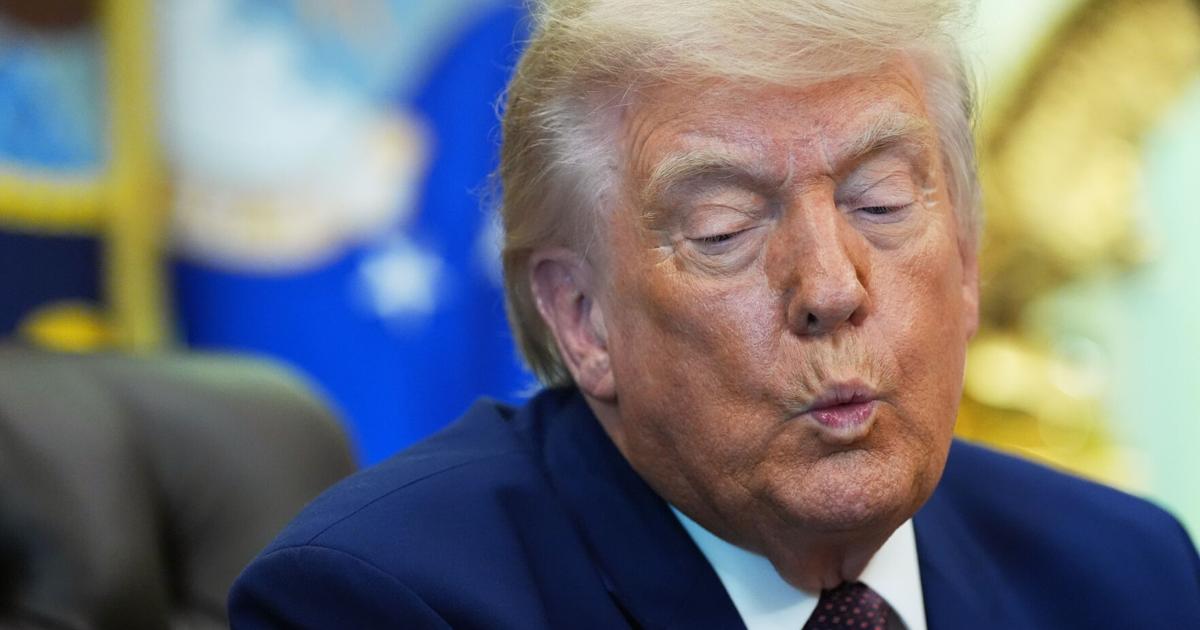
Read Original Source
President Donald Trump said Wednesday negotiations with Iran are progressing “very well” and a deal could happen “over the weekend,” downplaying recent U.S. and Iranian strikes that have raised questions about the durability of a fragile ceasefire. The House for the first time Wednesday approved a war powers resolution that would halt the U.S. military action against Iran, defying President Donald Trump as a handful of Republicans joined with Democrats to end the three-month-long conflict.
AI Summary
Main Idea: President Donald Trump is under pressure as the Iran war stalls, with critics, allies, and the House of Representatives warning that he may be getting boxed in on how to end the conflict.
Key Points:
- Trump says talks with Iran are moving well and that a deal could come soon, even as the ceasefire remains shaky.
- The House passed a resolution to stop U.S. military action against Iran, with a few Republicans joining Democrats.
- Trump is hearing warnings that restarting strikes could be costly, use up key weapons, and anger Gulf allies worried about retaliation.
- Democrats say Trump has hurt the U.S. economy by letting energy prices stay high, while Trump says Iran is the one under pressure.
Impact on the People
Negative Impact
A longer Iran conflict could keep gas and food prices high, raise costs for households and small businesses, and leave taxpayers facing more military spending.
Positive Impact
A ceasefire or deal could ease oil prices, lower pump costs, and reduce the chance of more US troop and market disruption.
How did each entity affect people?
Rate how each entity in this article affected the American people.
- Primary:President Donald Trumpperson
Candidate Entities8 candidates · 5 weighted vote min · 70% decision
- President Donald TrumppersonPrimaryEvaluated
Central figure in the article; his negotiations stance, public comments, and decision-making on Iran drive the entire story.
Include 0 (0%)Ignore 0 (0%)5 to threshold - Benjamin NetanyahupersonMajorAI selected
Named foreign leader whose call with Trump and policy stance on Israel’s actions are important to the article.
Include 0 (0%)Ignore 0 (0%)5 to threshold - Hezbollahpolitical organizationMajorAI selected
Significant militant and political actor in the regional conflict and ceasefire discussions.
Include 0 (0%)Ignore 0 (0%)5 to threshold - House of Representativesgovernment agency or bodyMajorAI selected
The chamber approved a war powers resolution to halt U.S. military action, making it a concrete actor in.
Include 0 (0%)Ignore 0 (0%)5 to threshold - Barack ObamapersonContextCandidate
Referenced because of the 2015 nuclear agreement and Trump’s contrast with it; background rather than a current actor.
Include 0 (0%)Ignore 0 (0%)5 to threshold - Behnam Ben TaleblupersonContextCandidate
Quoted analyst offering a key interpretation of Iran’s strategy, but mainly a supporting commentator.
Include 0 (0%)Ignore 0 (0%)5 to threshold - Foundation for Defense of Democracieseducational / research institutionContextCandidate
The think tank employing a quoted expert and providing hawkish policy context in the article.
Include 0 (0%)Ignore 0 (0%)5 to threshold
Comments 0
Comments here are the same thread shown when this article appears in The Pulse.
No comments on this article yet.
Sign in to comment