USCIS clarifies who must pay $100,000 fee for H-1B visas
Read Original Source
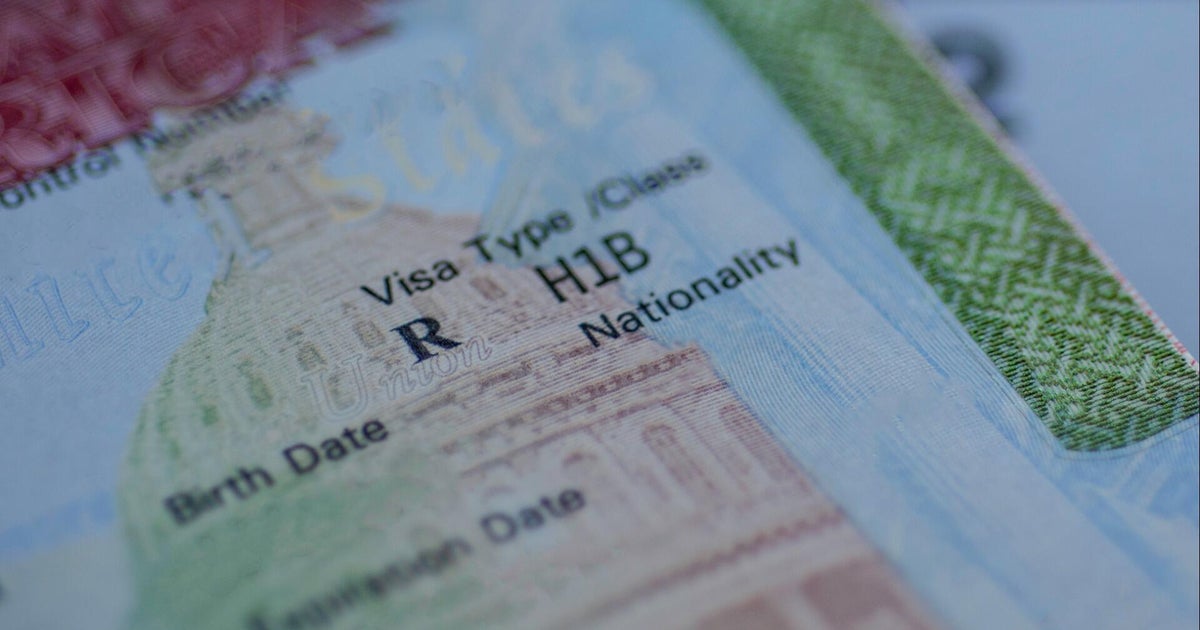
Guidance from U.S. Citizenship and Immigration Services (USCIS) clarifies that a $100,000 fee imposed in September to obtain H-1B visas for skilled foreign workers applies only to new applicants who are living abroad. In a notice posted on the agency's website late Monday, USCIS explains what types of visa applicants must pay the new six-figure fee and who is exempt. Applications for H-1B visas filed on or after Sept. 21 for workers outside the U.S.
AI Summary
Main Idea: USCIS said the new $100,000 H-1B visa fee applies only to some new applicants living abroad, while many people already in the U.S. can avoid it.
Key Points:
- The fee applies to H-1B petitions filed on or after Sept. 21 for workers outside the U.S. who are not already H-1B holders.
- USCIS said the fee also covers some cases that ask for consular notification, port of entry notification, or pre-flight inspection.
- People already in the U.S. can avoid the fee when changing from another visa type, such as from F-1 student status to H-1B.
- President Donald Trump backed the fee as a way to curb abuse of the program, while the U.S. Chamber of Commerce has sued over it.
Impact on the People
Negative Impact
The new H-1B fee may push companies to hire fewer foreign workers and could raise labor costs for some firms, with possible ripple effects for jobs and prices.
Positive Impact
Some US workers may see better job chances if employers shift hiring away from overseas applicants.
How did each entity affect people?
Rate how each entity in this article affected the American people.
- Primary:President Donald Trumpperson
Candidate Entities9 candidates · 5 weighted vote min · 70% decision
- President Donald TrumppersonPrimaryEvaluated
Central political figure behind the policy and its announced purpose.
Include 0 (0%)Ignore 0 (0%)5 to threshold - United States Citizenship and Immigration Servicesgovernment agency or bodyPrimaryAI selected
Central agency issuing the clarifying notice about who must pay the H-1B fee.
Include 0 (0%)Ignore 0 (0%)5 to threshold - Trump administrationgovernment agency or bodyMajorAI selected
Central governing actor implementing and defending the fee policy.
Include 0 (0%)Ignore 0 (0%)5 to threshold - United States Chamber of Commercenonprofit / NGOMajorAI selected
Major business group suing the Trump administration over the visa fee.
Include 0 (0%)Ignore 0 (0%)5 to threshold - Federal courtgovernment agency or bodyMinorCandidate
Implicit venue for the lawsuits challenging the fee, but not identified by name.
Include 0 (0%)Ignore 0 (0%)5 to threshold - health care groupsnonprofit / NGOMinorCandidate
Part of the coalition challenging the fee’s legality, though not individually named.
Include 0 (0%)Ignore 0 (0%)5 to threshold - IndiacountryMinorCandidate
Major source country for H-1B workers and an implied stakeholder in the policy’s impact.
Include 0 (0%)Ignore 0 (0%)5 to threshold
Comments 0
Comments here are the same thread shown when this article appears in The Pulse.
No comments on this article yet.
Sign in to comment