In Venezuela, citizens fear U.S. military intervention
Read Original Source
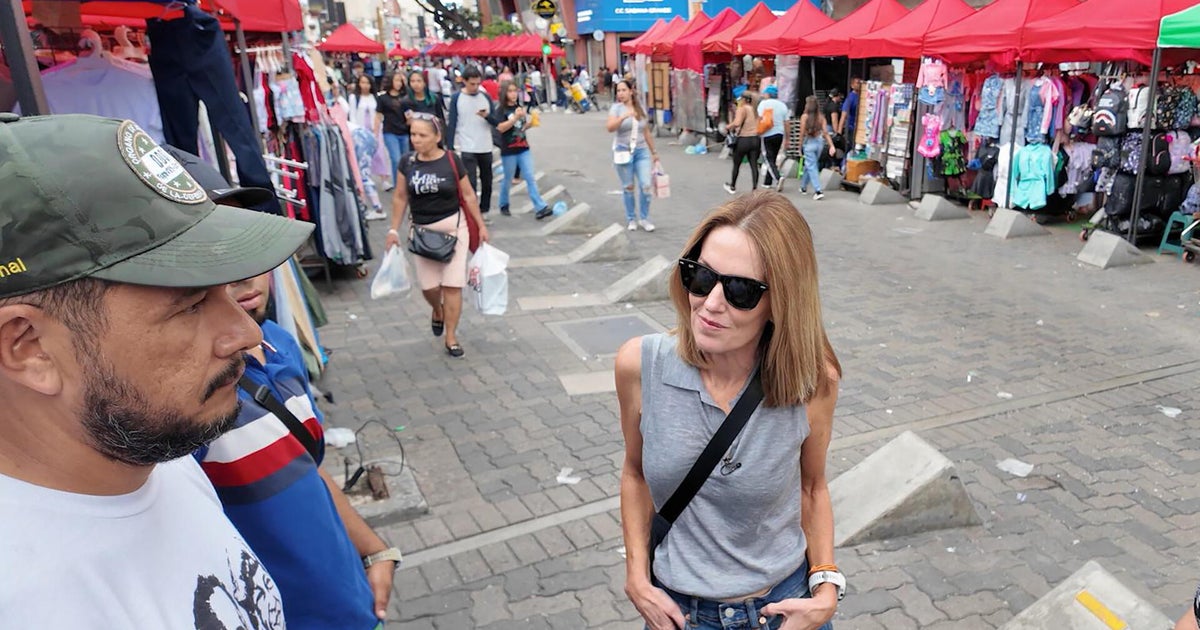
This month, correspondent Sharyn Alfonsi and a 60 Minutes team walked into a central market in Caracas, Venezuela, to speak to people after weeks of escalating tension between their country and the United States. It was a rare chance for American journalists to enter the oil-rich country. They found a palpable sense of unease and uncertainty among Venezuelan citizens; some worried about a possible U.S. ground invasion or air strikes in their country. "I have kids [and] grandkids, and my mother is still alive.
AI Summary
Main Idea: Venezuelans say they fear a possible U.S. military strike or intervention as pressure grows on President Nicolás Maduro.
Key Points:
- CBS News reported that people in Caracas felt nervous and uncertain about the growing U.S. military presence near Venezuela.
- The U.S. has stationed warships in the region and carried out boat strikes it says are tied to drug smuggling.
- Many Venezuelans interviewed said they oppose Maduro and want change, but they also reject claims that their country is a major drug source.
- Observers say the U.S. pressure may be aimed not just at drugs, but at forcing Maduro from power.
Impact on the People
Negative Impact
US military pressure on Venezuela could raise oil prices, disrupt trade, and strain family budgets if fighting spreads or sanctions deepen.
Positive Impact
A weaker Maduro government could reduce crime and drug flows, which may help some US communities.
How did each entity affect people?
Rate how each entity in this article affected the American people.
- Primary:President Nicolás Maduroperson
- Primary:United Statescountry
Candidate Entities6 candidates · 5 weighted vote min · 70% decision
- President Nicolás MaduropersonPrimaryEvaluated
Central Venezuelan leader whose potential removal and interview cancellation are major focuses.
Include 0 (0%)Ignore 0 (0%)5 to threshold - United StatescountryPrimaryEvaluated
Central national actor in the military buildup, strikes, and pressure campaign against Venezuela.
Include 0 (0%)Ignore 0 (0%)5 to threshold - President Donald TrumppersonPrimaryAI selected
Central U.S. decision-maker whose military and anti-drug actions toward Venezuela drive the story.
Include 0 (0%)Ignore 0 (0%)5 to threshold - Ambassador James StorypersonMajorAI selected
Former top diplomat whose assessment of possible U.S. action against Maduro is a major element of the article.
Include 0 (0%)Ignore 0 (0%)5 to threshold - Senator Rick ScottpersonMajorAI selected
Named U.S. senator quoted giving a clear position on the Trump administration’s actions and Maduro’s future.
Include 0 (0%)Ignore 0 (0%)5 to threshold - United Nationsinternational organizationContextCandidate
Cited for findings about repression under Maduro, providing important but secondary context.
Include 0 (0%)Ignore 0 (0%)5 to threshold
Comments 0
Comments here are the same thread shown when this article appears in The Pulse.
No comments on this article yet.
Sign in to comment