Judge grants Connecticut woman accused of holding stepson captive access to new alias, address
Read Original Source
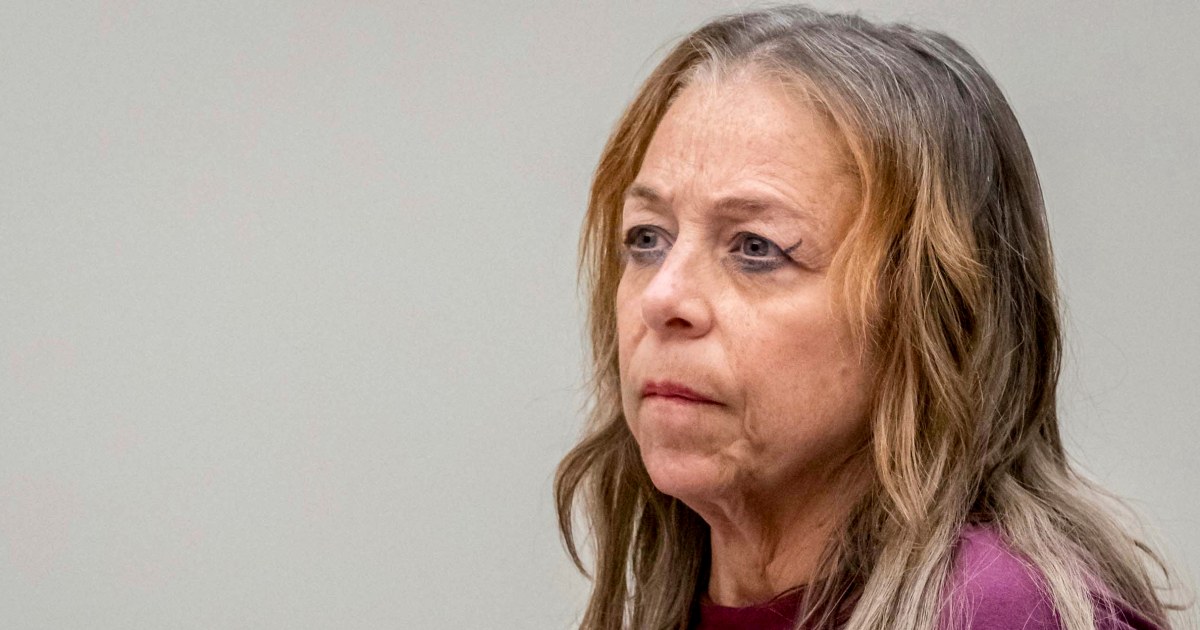
A judge on Friday allowed a Connecticut woman accused of holding her stepson captive for over two decades to access his alias, address and medical records, according to her attorney and NBC Connecticut. Limited time: Save 25% on NBC News subscription Get exclusive reporting, live Q&As and ad-free reading. Kimberly Sullivan appeared in court in Waterbury on Friday to request the information, which her attorneys argued she has a constitutional right to access.
AI Summary
Main Idea: A Connecticut judge let Kimberly Sullivan, who is accused of holding her stepson captive for years, see his alias, address, and medical records for her defense.
Key Points:
- Sullivan appeared in court in Waterbury and asked for the information, saying her defense has a constitutional right to it.
- She is charged with kidnapping, assault, unlawful restraint, and other crimes, and she has pleaded not guilty.
- The State of Connecticut had argued the victim’s location and identity should stay hidden to protect him from harm and stress.
- The judge also limited how the stepson’s attorney can speak in court, denied a request to remove Sullivan’s GPS tracker for now, and set the next hearing for Dec. 19.
Impact on the People
Negative Impact
Allowing a defendant access to an alleged victim’s alias and address can raise safety and privacy risks for survivors of abuse.
Positive Impact
The court also kept the defense process moving, which can support fair trials and public trust in criminal justice.
How did each entity affect people?
Rate how each entity in this article affected the American people.
- Primary:Kimberly Sullivanperson
- Major:State of Connecticutstate
Candidate Entities5 candidates · 5 weighted vote min · 70% decision
- Kimberly SullivanpersonPrimaryEvaluated
Central defendant in the case; the article focuses on her court request, the charges against her, and the.
Include 0 (0%)Ignore 0 (0%)5 to threshold - State of ConnecticutstateMajorEvaluated
The state is a central legal actor opposing disclosure of the victim’s alias and address and defending restrictions.
Include 0 (0%)Ignore 0 (0%)5 to threshold - Superior Court, Judicial District of Waterburygovernment agency or bodyMajorAI selected
The court venue where motions were filed and the judge issued the access and records rulings central to.
Include 0 (0%)Ignore 0 (0%)5 to threshold - Donald TherkildsenpersonContextCandidate
Supervisory assistant state’s attorney quoted presenting the state’s position against disclosure.
Include 0 (0%)Ignore 0 (0%)5 to threshold - Ioannis KaloidispersonContextCandidate
Sullivan’s attorney, quoted making the defense’s constitutional argument and explaining the motions.
Include 0 (0%)Ignore 0 (0%)5 to threshold
Comments 0
Comments here are the same thread shown when this article appears in The Pulse.
No comments on this article yet.
Sign in to comment