A woman vanished in Kentucky's bluegrass country — and a flat tire cracked the case
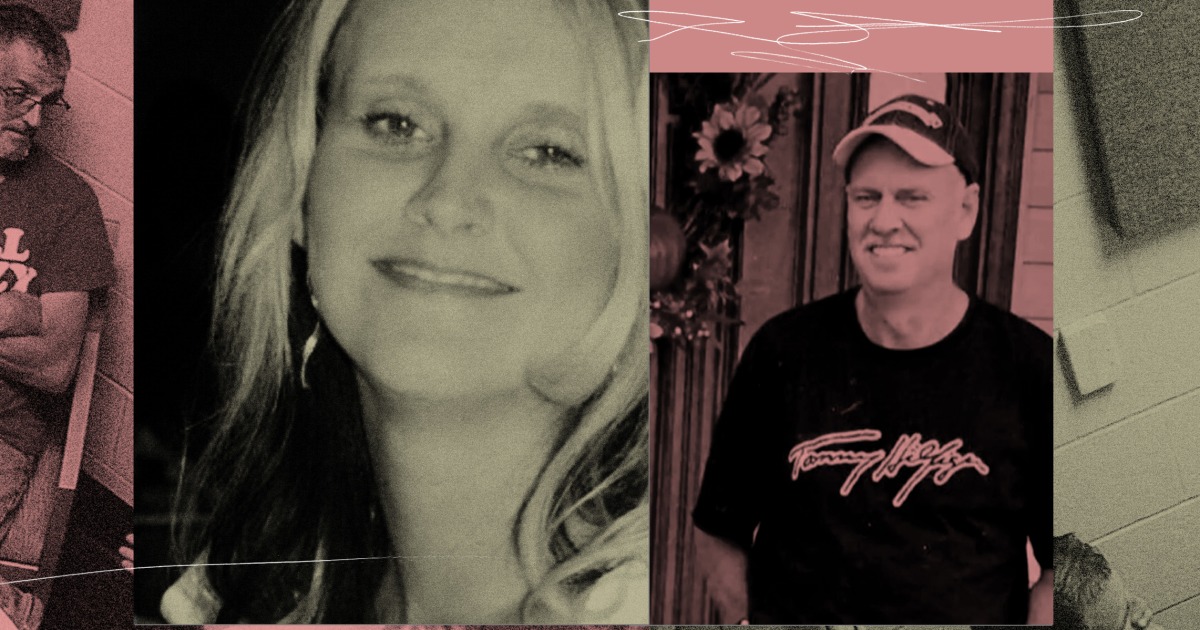
Read Original Source
It was almost the perfect crime. Limited time: Save 25% on NBC News subscription Get exclusive reporting, live Q&As and ad-free reading. But in the end, a pair of mundane events on Kentucky’s Bluegrass Parkway — a flat tire and a phone call — played an outsize role in solving the disappearance and presumed death of Crystal Rogers more than a decade ago.
AI Summary
Main Idea: A Kentucky prosecutor says Crystal Rogers’ disappearance was solved by a flat tire and a phone call that helped expose a plan to hide what happened to her.
Key Points:
- Rogers vanished in 2015, and her body, crime scene, and murder weapon were never found.
- Prosecutors say Brooks Houck killed Rogers because the couple’s relationship was failing and he feared losing custody of their child.
- Steve Lawson and his son, Joey Lawson, were convicted of helping cover up the case, including moving Rogers’ car.
- The case relied on circumstantial evidence, but prosecutors say the tire trouble and phone records helped break the plan apart.
Impact on the People
Negative Impact
The case shows how a missing person case can drag on for years, leaving families and communities without answers and costing taxpayers time and money.
Positive Impact
The convictions may reassure voters that cold cases can still be solved with persistent police work and careful evidence.
How did each entity affect people?
Rate how each entity in this article affected the American people.
- Primary:Brooks Houckperson
- Primary:Crystal Rogersperson
- Primary:Steve Lawsonperson
Candidate Entities9 candidates · 5 weighted vote min · 70% decision
- Brooks HouckpersonPrimaryEvaluated
Rogers’ boyfriend, convicted of murder in her killing and a primary subject of the case.
Include 0 (0%)Ignore 0 (0%)5 to threshold - Crystal RogerspersonPrimaryEvaluated
Central missing homicide victim whose disappearance and presumed death are the focus of the article.
Include 0 (0%)Ignore 0 (0%)5 to threshold - Steve LawsonpersonPrimaryEvaluated
Convicted accomplice whose actions, phone call, and statements are central to the prosecution narrative.
Include 0 (0%)Ignore 0 (0%)5 to threshold - Joey LawsonpersonMajorAI selected
Convicted accomplice whose alleged role in moving Rogers’ car is a major part of the story.
Include 0 (0%)Ignore 0 (0%)5 to threshold - Shane YoungpersonMajorAI selected
Commonwealth’s attorney and special prosecutor who explains the case and the evidence at the center of the article.
Include 0 (0%)Ignore 0 (0%)5 to threshold - Federal Bureau of Investigationgovernment agency or bodyContextCandidate
Federal agency whose analysis of phone records is cited as part of the evidence.
Include 0 (0%)Ignore 0 (0%)5 to threshold - Nelson County Sheriffs detective Jon SnowpersonContextCandidate
Detective who interviewed Houck and is quoted on key inconsistencies in his account.
Include 0 (0%)Ignore 0 (0%)5 to threshold
Comments 0
Comments here are the same thread shown when this article appears in The Pulse.
No comments on this article yet.
Sign in to comment