What will companies do without pennies? We asked McDonald's, Kroger and more
Read Original Source
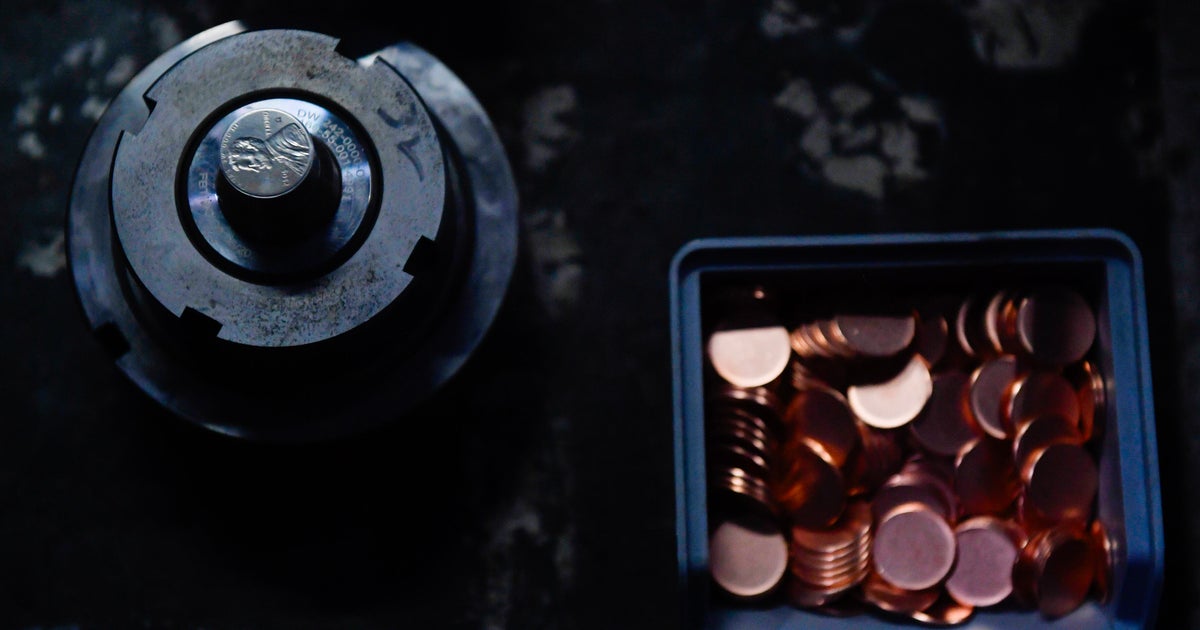
The penny appears to have run out of luck. The U.S. Mint in Philadelphia pressed its last circulating penny on Wednesday, after President Trump earlier this year directed the Treasury Department to stop minting new one-cent coins, citing the rising cost of production. So, what will companies do if they're short on change? Here's what several major chains and retailers told CBS News.
AI Summary
Main Idea: With the U.S. Mint stopping new penny production, McDonald's, Kroger, and other retailers are adjusting cash payments to deal with the shortage of one-cent coins.
Key Points:
- McDonald's said some locations may round cash totals to the nearest 5 cents if they cannot give exact change.
- Wendy's and GoTo Foods said they are also advising stores to round cash transactions in the customer’s favor when pennies are short.
- Kroger said it will keep accepting pennies and asks customers to bring exact change when paying with cash.
- Other chains are trying different fixes, including rounding cash payments, encouraging cashless purchases, and offering penny exchange deals.
Impact on the People
Negative Impact
Cash shoppers may face rounded totals at McDonald's and other stores, so some people will pay a few cents more or get a few cents less.
Positive Impact
Kroger and other retailers may still accept pennies, and digital or card payments avoid the change problem.
How did each entity affect people?
Rate how each entity in this article affected the American people.
- Primary:U.S. Mintgovernment agency or body
Candidate Entities12 candidates · 5 weighted vote min · 70% decision
- U.S. Mintgovernment agency or bodyPrimaryEvaluated
Central government body whose production of circulating pennies ended and drives the article.
Include 0 (0%)Ignore 0 (0%)5 to threshold - McDonaldscompanyPrimaryAI selected
Central company in the story; its cash-rounding approach without pennies is a main focus.
Include 0 (0%)Ignore 0 (0%)5 to threshold - Giant EaglecompanyMajorAI selected
Named supermarket chain taking a notable penny-exchange and rounding-related step.
Include 0 (0%)Ignore 0 (0%)5 to threshold - GoTo FoodscompanyMajorAI selected
Parent company for several brands that is advising franchisees on rounding cash transactions.
Include 0 (0%)Ignore 0 (0%)5 to threshold - KrogercompanyMajorAI selected
Major retailer quoted on how it will handle penny shortages and cash transactions.
Include 0 (0%)Ignore 0 (0%)5 to threshold - President Donald TrumppersonMajorAI selected
Named president who directed the Treasury Department to stop minting new pennies.
Include 0 (0%)Ignore 0 (0%)5 to threshold - SheetzcompanyMajorAI selected
Named convenience chain with a direct response to the penny shortage.
Include 0 (0%)Ignore 0 (0%)5 to threshold - Treasury Departmentgovernment agency or bodyMajorAI selected
Federal department involved in the decision to stop minting new one-cent coins.
Include 0 (0%)Ignore 0 (0%)5 to threshold
Comments 0
Comments here are the same thread shown when this article appears in The Pulse.
No comments on this article yet.
Sign in to comment