What we know about the vetting process of the National Guard shooting suspect
Read Original Source
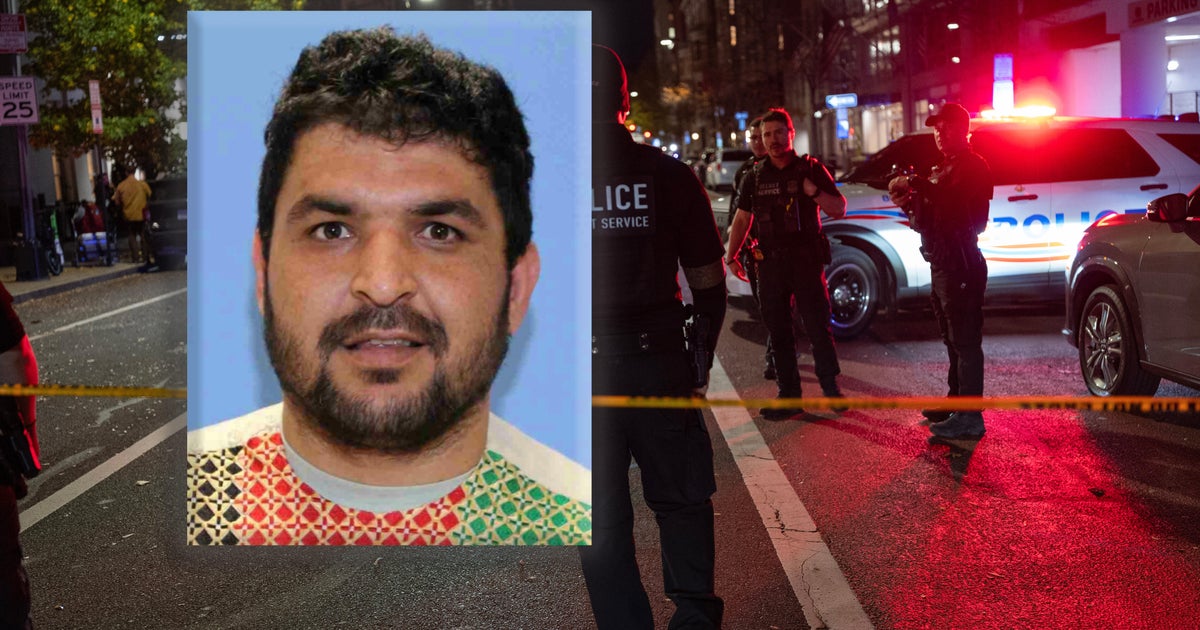
The shooting of two National Guard soldiers in Washington, D.C., last week has sparked a national debate about U.S. immigration policy and whether the federal government missed any red flags about the alleged attacker, identified by authorities as 29-year-old Afghan national Rahmanullah Lakanwal. The Trump administration has cited the attack, which killed one of the soldiers, to further expand its government-wide immigration crackdown.
AI Summary
Main Idea: Rahmanullah Lakanwal went through several U.S. vetting steps before the National Guard shooting, but the case has raised new questions about whether warning signs were missed.
Key Points:
- Lakanwal entered the U.S. in 2021 under Operation Allies Welcome and was given humanitarian parole while Afghan evacuees were being resettled.
- Afghan evacuees were supposed to be screened overseas and again after arrival, and past reviews said officials sometimes lacked key data during vetting.
- Lakanwal applied for asylum in 2024, and USCIS approved it in April 2025 after a process that includes biometrics, social media checks, and FBI background checks.
- He was also seeking a green card when the attack happened, and the Trump administration has used the shooting to tighten immigration rules for Afghans and other groups.
Impact on the People
Negative Impact
The shooting may push stricter immigration and asylum rules, which can delay cases, raise costs, and increase fear in immigrant communities and workplaces.
Positive Impact
A review of vetting failures could lead to stronger screening and better public safety for households and communities.
How did each entity affect people?
Rate how each entity in this article affected the American people.
- Primary:Rahmanullah Lakanwalperson
Candidate Entities12 candidates · 5 weighted vote min · 70% decision
- Rahmanullah LakanwalpersonPrimaryEvaluated
Alleged attacker at the center of the article’s account of the shooting and immigration vetting.
Include 0 (0%)Ignore 0 (0%)5 to threshold - United States Citizenship and Immigration Servicesgovernment agency or bodyPrimaryAI selected
Central agency in the asylum and status-adjudication process described in the article.
Include 0 (0%)Ignore 0 (0%)5 to threshold - Homeland Security Departmentgovernment agency or bodyMajorAI selected
Its officials and actions on vetting, asylum, and immigration processing are central to the article.
Include 0 (0%)Ignore 0 (0%)5 to threshold - Homeland Security Department Office of Inspector Generalgovernment agency or bodyMajorAI selected
Its report on vetting obstacles is used as a key source on screening shortcomings.
Include 0 (0%)Ignore 0 (0%)5 to threshold - Homeland Security Secretary Kristi NoempersonMajorAI selected
Made a central public claim about the suspect’s possible radicalization and immigration response.
Include 0 (0%)Ignore 0 (0%)5 to threshold - Operation Allies Welcomegovernment agency or bodyMajorAI selected
The resettlement effort that brought the suspect to the United States is a major factual focus.
Include 0 (0%)Ignore 0 (0%)5 to threshold
Comments 0
Comments here are the same thread shown when this article appears in The Pulse.
No comments on this article yet.
Sign in to comment