Trump says he may withdraw US from NATO. The law says he can't without Congress
Read Original Source
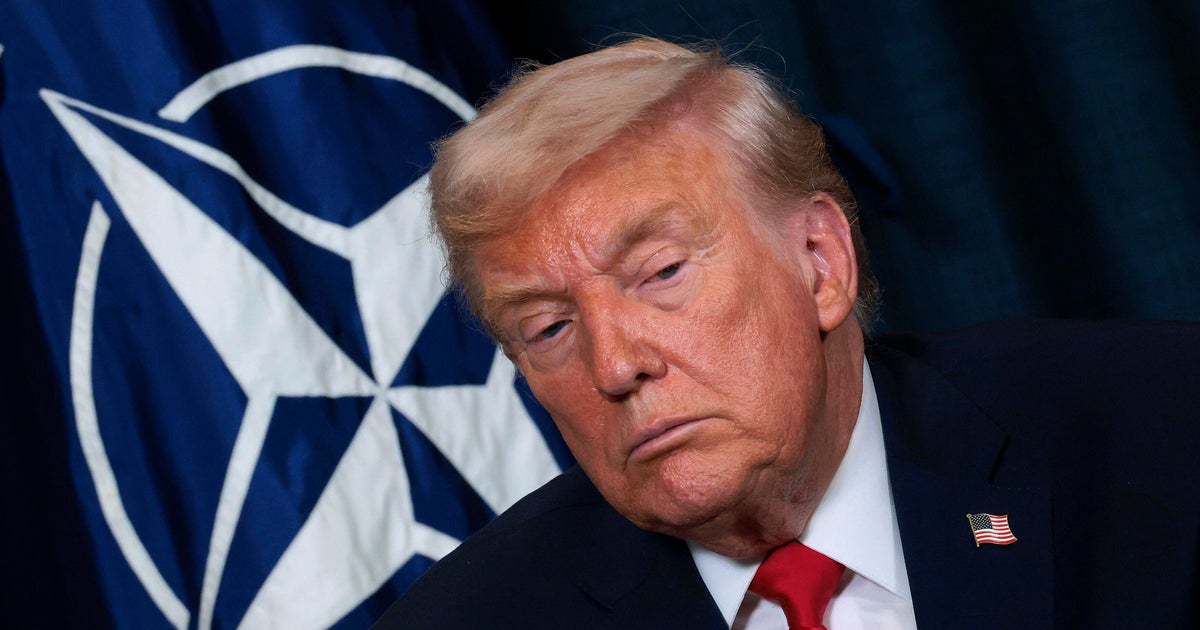
Washington — President Trump says he's considering withdrawing the U.S. from NATO, after years of complaining the alliance's member countries aren't paying enough for their own defense. And since he began the war with Iran, the president has been lashing out about the lack of support from NATO allies. A law passed by Congress in 2023 — and spearheaded in part by Marco Rubio, now the secretary of state — bars the president from doing so without approval from the legislative branch.
AI Summary
Main Idea: President Donald Trump says he may try to pull the U.S. out of NATO, but a 2023 law says he cannot do that without Congress.
Key Points:
- Trump has criticized NATO for years, saying member countries do not pay enough for defense and treat the U.S. unfairly.
- He has said the war with Iran has deepened his anger because some NATO allies have limited U.S. military use of their bases and airspace.
- NATO is a 32-member defense alliance built after World War II, and Article 5 says an attack on one member is an attack on all.
- Senators passed a 2023 law, backed in part by Tim Kaine and Marco Rubio, that blocks any U.S. exit from NATO without Senate approval or an act of Congress.
Impact on the People
Negative Impact
A US exit from NATO could raise security risks, unsettle markets, and force taxpayers to pay more for defense if allies doubt US commitments.
Positive Impact
Pressure from Trump and Tim Kaine’s law may keep NATO ties in place, which could preserve US security support for households and businesses.
How did each entity affect people?
Rate how each entity in this article affected the American people.
- Primary:President Donald Trumpperson
Candidate Entities8 candidates · 5 weighted vote min · 70% decision
- President Donald TrumppersonPrimaryEvaluated
Central figure whose statements about withdrawing the United States from NATO drive the article.
Include 0 (0%)Ignore 0 (0%)5 to threshold - North Atlantic Treaty Organizationinternational organizationPrimaryAI selected
The alliance itself is the core institution at issue in the article.
Include 0 (0%)Ignore 0 (0%)5 to threshold - Secretary of State Marco RubiopersonMajorAI selected
Named official whose comments and prior sponsorship of the 2023 legislation are central to the story.
Include 0 (0%)Ignore 0 (0%)5 to threshold - Senator Chuck SchumerpersonMajorAI selected
Named Senate leader quoted responding to Trump’s stance on NATO.
Include 0 (0%)Ignore 0 (0%)5 to threshold - Senator Tim KainepersonMajorAI selected
Named senator identified as a lead sponsor of the NATO-withdrawal restriction.
Include 0 (0%)Ignore 0 (0%)5 to threshold - Fox Newsmedia outletMinorCandidate
Named outlet where Marco Rubio made central comments on the alliance.
Include 0 (0%)Ignore 0 (0%)5 to threshold - Reutersmedia outletMinorCandidate
Named reporting source quoted for Trump’s remarks.
Include 0 (0%)Ignore 0 (0%)5 to threshold
Comments 0
Comments here are the same thread shown when this article appears in The Pulse.
No comments on this article yet.
Sign in to comment