Taiwan's opposition leader seeks to win friends in China with a high-stakes visit
Read Original Source
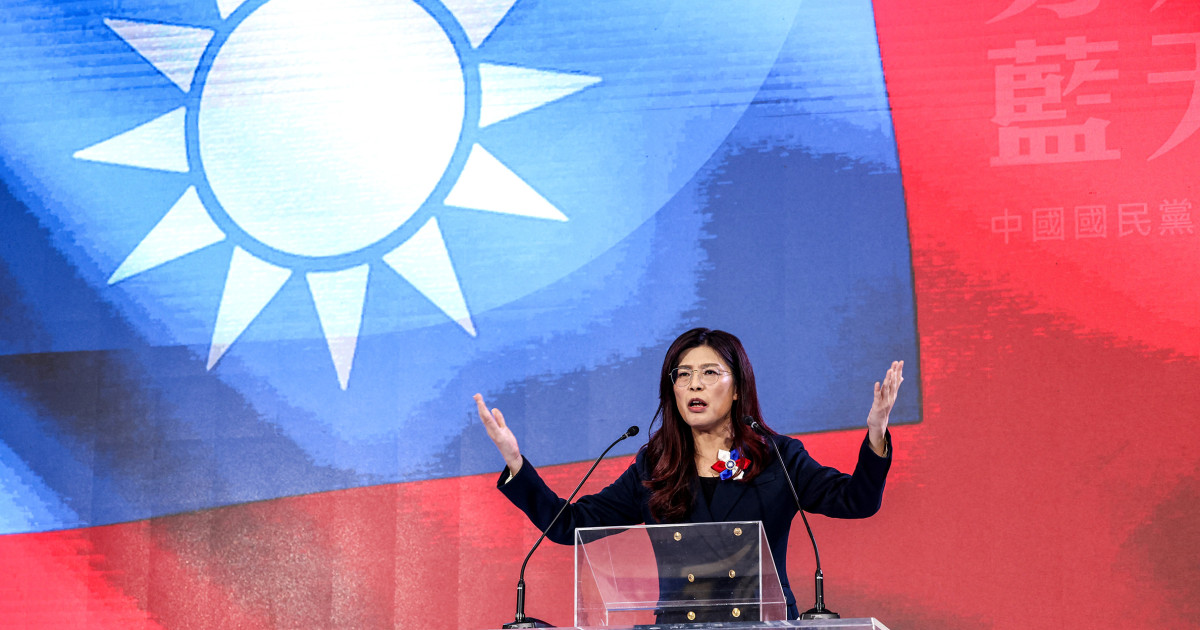
TAIPEI, Taiwan — A few weeks before President Donald Trump arrives in China next month, Chinese President Xi Jinping will have another visitor: Taiwan’s opposition leader. Subscribe to read this story ad-free Get unlimited access to ad-free articles and exclusive content. When Cheng Li-wun, chairperson of Taiwan’s Nationalist Party, touches down in China on Tuesday, it will mark the first time in a decade that the head of her party visits the mainland.
AI Summary
Main Idea: Taiwan opposition leader Cheng Li-wun is making a risky trip to China to push for better ties and a lower chance of war, even as the move stirs debate at home.
Key Points:
- Cheng is the first head of Taiwan’s Kuomintang party to visit mainland China in 10 years.
- She says Taiwan should talk with China to calm tensions, while critics warn she is moving too close to Beijing.
- Her trip comes as Taiwan argues over higher defense spending and worries about U.S. arms support.
- China sees the visit as a chance to show it has support in Taipei ahead of Xi Jinping’s meeting with Donald Trump.
Impact on the People
Negative Impact
Cheng Li-wun’s China trip could raise tension with Taiwan and the US, which may unsettle markets and increase the risk of higher defense costs for American taxpayers.
Positive Impact
Cheng Li-wun says more talks with China could lower the chance of war, which could help protect US consumers and businesses from a bigger conflict in Asia.
How did each entity affect people?
Rate how each entity in this article affected the American people.
- Primary:Cheng Li-wunperson
- Primary:Kuomintangpolitical organization
- Primary:President Xi Jinpingperson
Candidate Entities9 candidates · 5 weighted vote min · 70% decision
- Cheng Li-wunpersonPrimaryEvaluated
Taiwan’s opposition leader and the central figure in the article’s account of her China visit and political shift.
Include 0 (0%)Ignore 0 (0%)5 to threshold - Kuomintangpolitical organizationPrimaryEvaluated
Taiwan’s opposition party led by Cheng and a major actor in the article’s political conflict.
Include 0 (0%)Ignore 0 (0%)5 to threshold - President Xi JinpingpersonPrimaryEvaluated
Chinese president whose planned meeting with Cheng and broader Taiwan policy are central to the story.
Include 0 (0%)Ignore 0 (0%)5 to threshold - Democratic Progressive Partypolitical organizationMajorAI selected
The governing party under President Lai and a key rival in the article’s Taiwan politics.
Include 0 (0%)Ignore 0 (0%)5 to threshold - President Donald TrumppersonMajorAI selected
His upcoming China trip and Taiwan-related policy context are used as major timing and geopolitical reference points.
Include 0 (0%)Ignore 0 (0%)5 to threshold - President Lai Ching-tepersonMajorAI selected
Taiwan’s president is a key political counterpoint in the defense-spending dispute and cross-strait tensions.
Include 0 (0%)Ignore 0 (0%)5 to threshold - United StatescountryMajorAI selected
Key external actor in Taiwan’s defense, arms sales, and the article’s strategic context.
Include 0 (0%)Ignore 0 (0%)5 to threshold
Comments 0
Comments here are the same thread shown when this article appears in The Pulse.
No comments on this article yet.
Sign in to comment