Israel carries out large wave of air strikes across Lebanon
Read Original Source
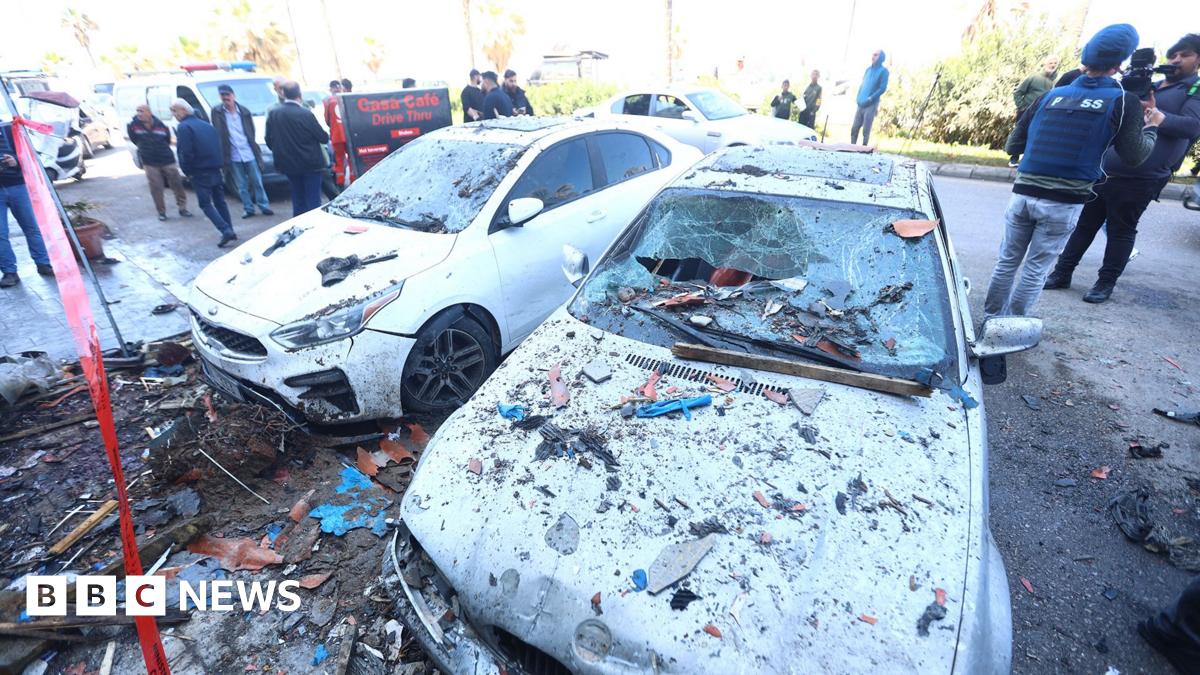
Israeli attacks on several areas of Lebanon have left communities devastated during the current conflict Israel carried out a large wave of air strikes across Lebanon on Wednesday, which killed and wounded hundreds of people, while officials said the war against the Lebanese armed group Hezbollah continued despite a ceasefire in Iran. Israel described it as the largest wave of air strikes in this conflict, hitting more than 100 of what it called Hezbollah command centres and military sites in 10 minutes.
AI Summary
Main Idea: Israel launched a major wave of air strikes across Lebanon, killing and wounding hundreds and deepening the conflict with Hezbollah despite ceasefire claims tied to wider regional talks.
Key Points:
- Israel said it hit more than 100 Hezbollah command centers and military sites in about 10 minutes.
- Lebanon’s health ministry said at least 182 people were killed and 890 were wounded, and the toll was expected to rise.
- The strikes hit Beirut’s southern suburbs, southern Lebanon, the Bekaa Valley, and other cities, while rescue workers searched wrecked buildings.
- The attack came as Hezbollah said it still had the right to respond, and the Lebanese government said it was open to direct talks with Israel.
Impact on the People
Negative Impact
The fighting could keep oil prices, shipping costs, and inflation higher for US households and small businesses.
Positive Impact
US pressure for a ceasefire could lower the risk of a wider regional war and bring some market relief.
How did each entity affect people?
Rate how each entity in this article affected the American people.
Candidate Entities7 candidates · 5 weighted vote min · 70% decision
- Hezbollahpolitical organizationPrimaryEvaluated
Core armed group in the conflict, targeted by Israel and quoted responding to the escalation.
Include 0 (0%)Ignore 0 (0%)5 to threshold - IsraelcountryPrimaryEvaluated
Central actor carrying out the air strikes and shaping the conflict described in the article.
Include 0 (0%)Ignore 0 (0%)5 to threshold - Benjamin NetanyahupersonMajorAI selected
Named Israeli prime minister whose office denied the ceasefire claim and whose position is central to the story.
Include 0 (0%)Ignore 0 (0%)5 to threshold - United StatescountryMajorAI selected
Major diplomatic actor in the ceasefire context and explicitly referenced in the article’s explanation of the deal.
Include 0 (0%)Ignore 0 (0%)5 to threshold - PakistancountryContextCandidate
Mentioned as the mediator in the ceasefire arrangement and part of the diplomatic backdrop.
Include 0 (0%)Ignore 0 (0%)5 to threshold - President Joseph AounpersonContextCandidate
Named Lebanese president whose government’s response to the escalation is mentioned.
Include 0 (0%)Ignore 0 (0%)5 to threshold - Secretary Karoline LeavittpersonContextCandidate
Named White House press secretary quoted on the ceasefire scope, but not a main focus.
Include 0 (0%)Ignore 0 (0%)5 to threshold
Comments 0
Comments here are the same thread shown when this article appears in The Pulse.
No comments on this article yet.
Sign in to comment