After collapse of U.S.-Iran talks in Pakistan, the path to peace is less clear
Read Original Source
A day of talks, one “final” offer, no resolution. Subscribe to read this story ad-free Get unlimited access to ad-free articles and exclusive content. Negotiators from Washington and Tehran left talks in Pakistan on Sunday with little to show for it and a return to fighting between the two sides looming large.
AI Summary
Main Idea: U.S.-Iran talks in Pakistan ended without a deal, leaving Vice President JD Vance and Iran far apart as the ceasefire and war remain fragile.
Key Points:
- Vance said the U.S. made a “final and best offer,” but Iran has not accepted it.
- Iranian officials said the talks failed because of mistrust and what they called excessive U.S. demands.
- The biggest dispute was over Iran’s nuclear program and whether it would promise not to seek a nuclear weapon.
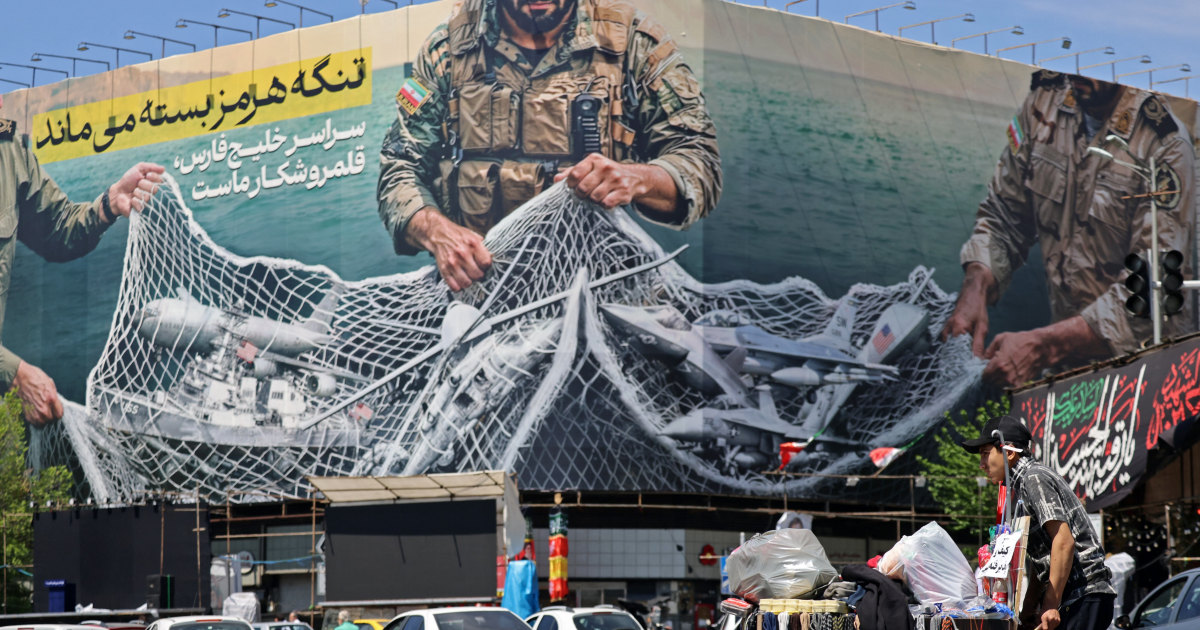
- The failed talks keep pressure on a shaky ceasefire, while fighting, shipping risks in the Strait of Hormuz, and oil market worries continue.
Impact on the People
Negative Impact
Failed US-Iran talks raise the risk of more war, higher oil prices, and more cost pressure for US households and businesses.
Positive Impact
A ceasefire and more talks could still avoid a wider conflict and reduce market shocks if negotiators find common ground.
How did each entity affect people?
Rate how each entity in this article affected the American people.
- Primary:Vice President JD Vanceperson
Candidate Entities9 candidates · 5 weighted vote min · 70% decision
- Vice President JD VancepersonPrimaryEvaluated
Central U.S. negotiator whose statements and position on the talks are a core focus.
Include 0 (0%)Ignore 0 (0%)5 to threshold - President Donald TrumppersonPrimaryAI selected
Central political actor whose comments, threats, and claimed decisions shape the article.
Include 0 (0%)Ignore 0 (0%)5 to threshold - Ishaq DarpersonMajorAI selected
Pakistan’s foreign minister who mediated the talks and urged both sides to keep the ceasefire.
Include 0 (0%)Ignore 0 (0%)5 to threshold - Mohammad Bagher GhalibafpersonMajorAI selected
Led the Iranian delegation and is quoted on the failure of the talks.
Include 0 (0%)Ignore 0 (0%)5 to threshold - Institute for National Security Studieseducational / research institutionContextCandidate
Research institution affiliated with a quoted analyst discussing the talks.
Include 0 (0%)Ignore 0 (0%)5 to threshold - London School of Economicseducational / research institutionContextCandidate
Affiliated institution of a quoted analyst used for context on the negotiations.
Include 0 (0%)Ignore 0 (0%)5 to threshold - Human Rights Activists in Irannonprofit / NGOMinorCandidate
Source of the reported death toll figures for the conflict.
Include 0 (0%)Ignore 0 (0%)5 to threshold
Comments 0
Comments here are the same thread shown when this article appears in The Pulse.
No comments on this article yet.
Sign in to comment