Oil prices slide after US and Iran sign peace deal
Read Original Source
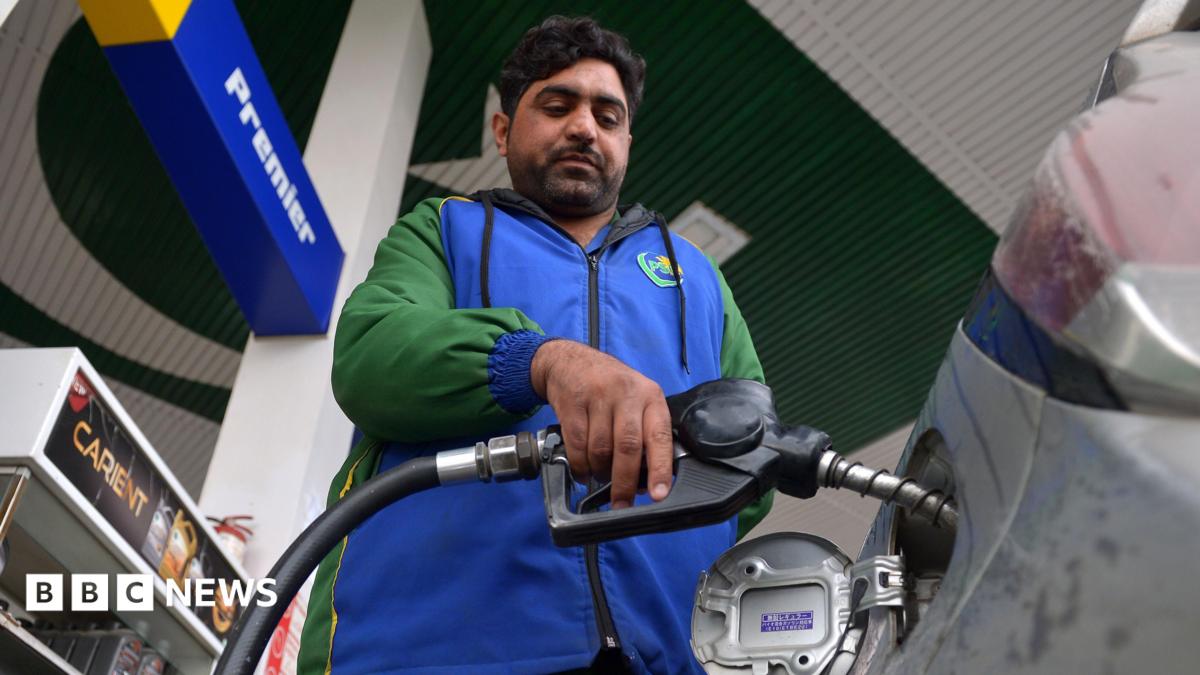
Oil prices have fallen and shares risen after the US and Iran said they had agreed a framework deal to end the war, which US President Donald Trump said would see the reopening of the key Strait of Hormuz shipping route. Brent crude, the global oil benchmark, dropped more than 5% to $82.84 (£61.70) a barrel, while global stock markets rose. Pakistan, which has been mediating an end to the US-Iran war, said an official signing ceremony would be held on Friday, 19 June in Switzerland.
AI Summary
Main Idea: Oil prices fell and global markets rose after the US and Iran agreed a peace framework that could reopen the Strait of Hormuz.
Key Points:
- Brent crude dropped more than 5% as traders reacted to the deal and the chance of more oil flowing again.
- Pakistan said a formal signing ceremony is set for Friday in Switzerland, while Trump called for the oil to “flow.”
- Market experts warned that a lack of detail could keep oil prices volatile in the near term.
- Shares in Asia and the US rose, while energy stocks in London fell as investors cut some of the war risk built into markets.
Impact on the People
Negative Impact
Oil market uncertainty could keep gas, heating, and shipping costs jumpy for US households and small businesses.
Positive Impact
Lower oil prices may ease inflation and help keep Federal Reserve interest rates from rising, which can support jobs and borrowing costs.
How did each entity affect people?
Rate how each entity in this article affected the American people.
- Primary:United Statescountry
- Major:Brent crudebrand / product
Candidate Entities9 candidates · 5 weighted vote min · 70% decision
- United StatescountryPrimaryEvaluated
The other central state actor in the framework deal and the conflict affecting oil and markets.
Include 0 (0%)Ignore 0 (0%)5 to threshold - Brent crudebrand / productMajorEvaluated
The key oil benchmark whose price drop is a major focus of the article.
Include 0 (0%)Ignore 0 (0%)5 to threshold - President Donald TrumppersonPrimaryAI selected
Central public figure in the deal and the quoted social-media reaction that the article says affected oil and.
Include 0 (0%)Ignore 0 (0%)5 to threshold - Federal Reservegovernment agency or bodyContextCandidate
Central bank mentioned because the deal may affect its rate decision, but it is not acting directly in.
Include 0 (0%)Ignore 0 (0%)5 to threshold - Hargreaves LansdowncompanyContextCandidate
Investment firm whose analyst is quoted on investor sentiment, but the firm is not central.
Include 0 (0%)Ignore 0 (0%)5 to threshold - ShellcompanyContextCandidate
Major energy company whose shares fell on the news and which is specifically named.
Include 0 (0%)Ignore 0 (0%)5 to threshold - Vanda InsightscompanyContextCandidate
Energy-market analysis firm quoted for its view on uncertainty, but not a central actor.
Include 0 (0%)Ignore 0 (0%)5 to threshold
Comments 0
Comments here are the same thread shown when this article appears in The Pulse.
No comments on this article yet.
Sign in to comment