Appeals court blocks Trump's asylum crackdown at U.S.-Mexico border
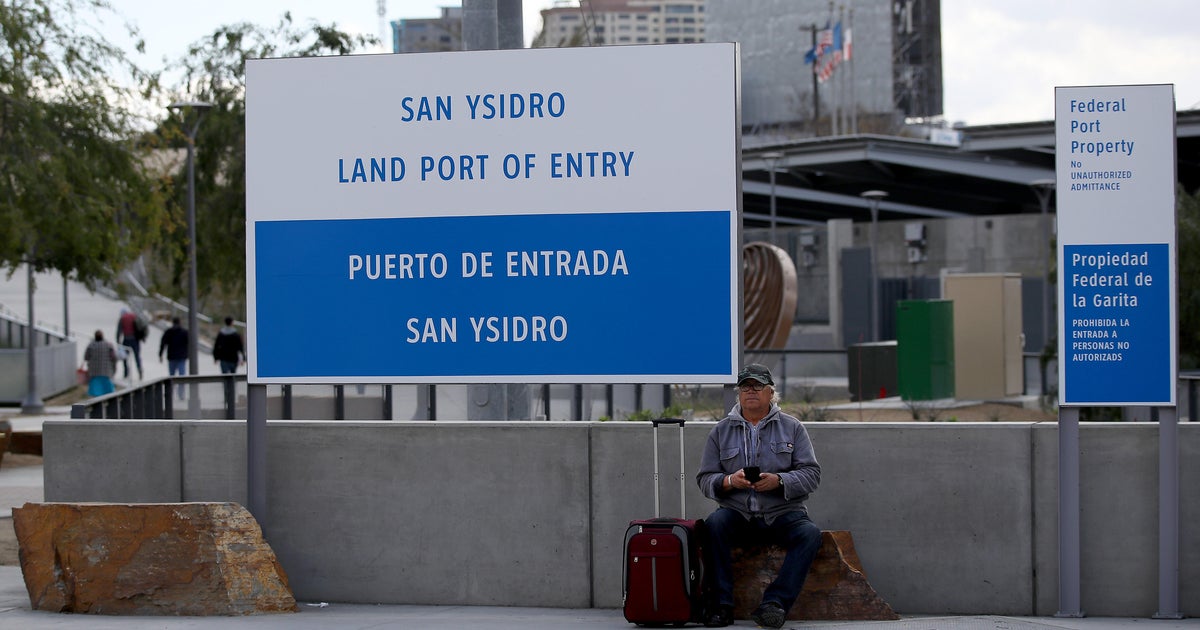
Read Original Source
Washington — A federal appeals court on Friday blocked President Trump's directive suspending access to asylum and other legal protections for migrants unlawfully crossing the southern border. A divided panel of three judges on the U.S. Court of Appeals for the District of Columbia Circuit ruled that federal immigration law does not allow the president to deport migrants under new summary removal proceedings implemented by the Trump administration or to suspend their right to apply for asylum. Judge J.
AI Summary
Main Idea: A federal appeals court blocked President Donald Trump’s attempt to suspend asylum access and expand summary removals at the U.S.-Mexico border.
Key Points:
- The D.C. Circuit said federal law does not let Trump create his own removal process or cut off the right to apply for asylum.
- The court also said the government cannot deny access to protections against return to countries where migrants could face persecution or torture.
- DHS had told border officials that some migrants crossing between ports of entry could not seek asylum and could be removed quickly.
- The ruling keeps the policy on hold for now, and the Trump administration can ask the full appeals court or the Supreme Court to review it.
Impact on the People
Negative Impact
The ruling may keep more asylum seekers at the border and in court, which could raise pressure on border towns and federal immigration systems.
Positive Impact
The decision preserves asylum access for people fleeing persecution or torture and may reduce the risk of wrongful rapid deportations.
How did each entity affect people?
Rate how each entity in this article affected the American people.
- Primary:President Donald Trumpperson
Candidate Entities11 candidates · 5 weighted vote min · 70% decision
- President Donald TrumppersonPrimaryEvaluated
Central actor whose directive to suspend asylum access is the main subject of the article.
Include 0 (0%)Ignore 0 (0%)5 to threshold - United States Court of Appeals for the District of Columbia Circuitgovernment agency or bodyPrimaryAI selected
The appeals court issued the ruling that blocks the administration’s asylum crackdown.
Include 0 (0%)Ignore 0 (0%)5 to threshold - American Civil Liberties Unionnonprofit / NGOMajorAI selected
The organization challenged the policy and is a major litigant in the case.
Include 0 (0%)Ignore 0 (0%)5 to threshold - Department of Homeland Securitygovernment agency or bodyMajorAI selected
Issued the guidance implementing the border policy that the court blocked.
Include 0 (0%)Ignore 0 (0%)5 to threshold - Judge Cornelia PillardpersonMajorAI selected
Joined the majority opinion that blocked the asylum restrictions.
Include 0 (0%)Ignore 0 (0%)5 to threshold - Judge J. Michelle ChildspersonMajorAI selected
Authored the appeals court majority opinion central to the decision.
Include 0 (0%)Ignore 0 (0%)5 to threshold - Justice Departmentgovernment agency or bodyMajorAI selected
The federal department appealed the lower court ruling and defended the policy.
Include 0 (0%)Ignore 0 (0%)5 to threshold
Comments 0
Comments here are the same thread shown when this article appears in The Pulse.
No comments on this article yet.
Sign in to comment