Less than 0.1% of U.S. minors take gender-affirming medication, study finds
Read Original Source
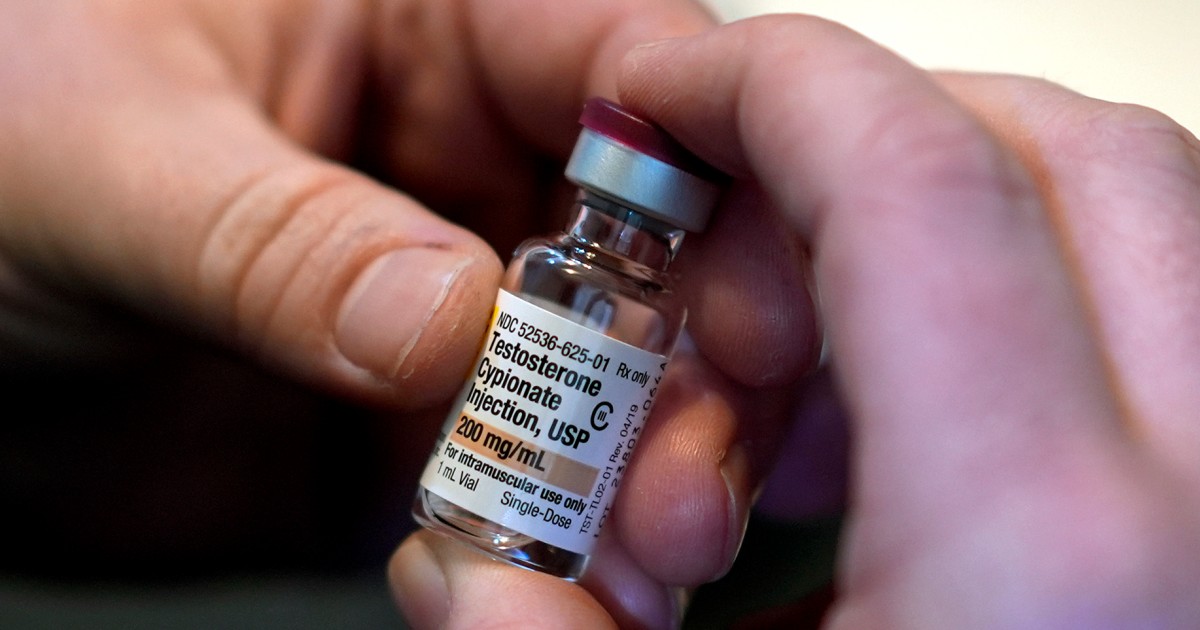
As policymakers around the world debate whether minors should have access to transition-related medications, a study published Monday in the nation’s premier pediatric medical journal found that the drugs are rarely prescribed to youths. Limited time: Save 25% on NBC News subscription Get exclusive reporting, live Q&As and ad-free reading. Less than 0.
AI Summary
Main Idea: A new study says fewer than 0.1% of U.S. minors with private insurance are prescribed gender-affirming medication, as the Supreme Court weighs a Tennessee law restricting such care.
Key Points:
- The study in JAMA Pediatrics reviewed private insurance claims for more than 5.1 million children ages 8 to 17 from 2018 to 2022.
- It found no transgender patients under 12 were prescribed gender-affirming hormones.
- The authors said the numbers show this care is rare, not widespread, among minors.
- The findings come as the Supreme Court considers whether Tennessee’s ban on certain gender-affirming care for minors is constitutional.
Impact on the People
Negative Impact
The Supreme Court and Tennessee fight over limits on youth gender care could leave families facing more confusion, fewer treatment options, and costly legal fights.
Positive Impact
The study may calm claims of a large surge and help voters weigh policy using clearer data.
How did each entity affect people?
Rate how each entity in this article affected the American people.
- Major:Tennesseestate
Candidate Entities7 candidates · 5 weighted vote min · 70% decision
- TennesseestateMajorEvaluated
Central state whose law banning gender-affirming care for minors is discussed in the Supreme Court context.
Include 0 (0%)Ignore 0 (0%)5 to threshold - Supreme Court of the United Statesgovernment agency or bodyMajorAI selected
Central legal institution in the article because it heard arguments involving state bans on care for minors.
Include 0 (0%)Ignore 0 (0%)5 to threshold - American Medical Associationnonprofit / NGOContextCandidate
Cited as supporting gender-affirming care for minors and describing it as medically necessary.
Include 0 (0%)Ignore 0 (0%)5 to threshold - Fenway Healthnonprofit / NGOContextCandidate
Quoted advocacy and health organization providing expert context on access barriers.
Include 0 (0%)Ignore 0 (0%)5 to threshold - Harvard Universityeducational / research institutionContextCandidate
Hughes’s institutional affiliation; relevant background but not the main focus.
Include 0 (0%)Ignore 0 (0%)5 to threshold - T.H. Chan School of Public Healtheducational / research institutionContextCandidate
Named school affiliation for the study’s lead author.
Include 0 (0%)Ignore 0 (0%)5 to threshold - United KingdomcountryContextCandidate
Included because the article compares its new restrictions on puberty blockers with the U.S. debate.
Include 0 (0%)Ignore 0 (0%)5 to threshold
Comments 0
Comments here are the same thread shown when this article appears in The Pulse.
No comments on this article yet.
Sign in to comment