The goods facing higher prices from US metal tariffs
Read Original Source
A 25% tax on all imports of steel and aluminium into the US came into effect on Wednesday, ending exemptions from the rules for goods from major trade partners including Canada, Mexico, Brazil, as well as the European Union. The expanded tariff measures announced by President Donald Trump mean many US businesses wanting to bring the metals into the country now have to pay more.
AI Summary
Main Idea: President Donald Trump’s new metal tariffs are set to raise costs for many US businesses, and some of those higher costs may be passed on to consumers.
Key Points:
- The US has put a 25% tax on imported steel and aluminium, ending key exemptions for major trade partners.
- Food can makers say most of the steel they use is imported, and they warn canned food prices could rise if they must pay the tariff.
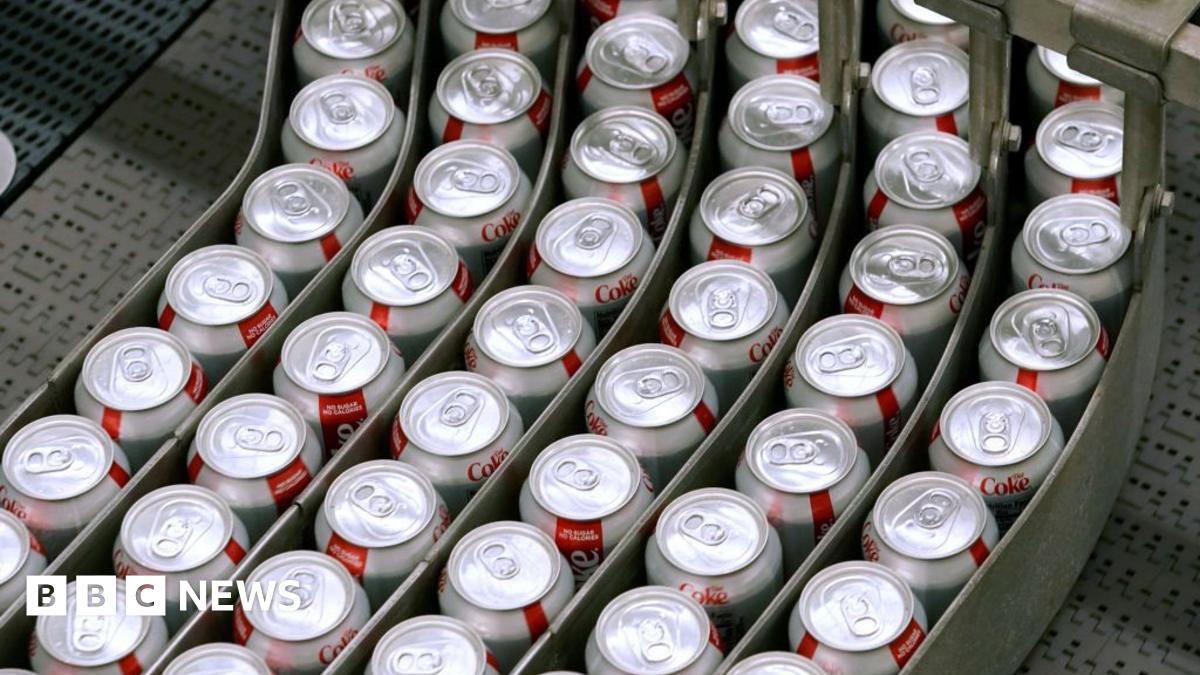
- Coca-Cola and other drink makers say higher aluminium costs could also lead to higher prices for customers.
- Ford and homebuilders warn the tariffs could raise costs for cars and homes, adding to pressure on buyers.
Impact on the People
Negative Impact
US households may face higher prices for canned food, beer, soda, cars, and homebuilding costs as Trump’s metal tariffs raise costs for companies like Coca-Cola and Ford.
Positive Impact
Some US steel and aluminum makers could see more demand and better pricing.
How did each entity affect people?
Rate how each entity in this article affected the American people.
- Primary:President Donald Trumpperson
- Major:Coca-Colacompany
Candidate Entities12 candidates · 5 weighted vote min · 70% decision
- President Donald TrumppersonPrimaryEvaluated
Central actor whose tariff decisions and exemption policy drive the entire article.
Include 0 (0%)Ignore 0 (0%)5 to threshold - Coca-ColacompanyMajorEvaluated
Major named company warning that aluminium tariffs will add costs and could raise customer prices.
Include 0 (0%)Ignore 0 (0%)5 to threshold - Can Manufacturers Instituteunion / trade associationMajorAI selected
Trade association representing can-makers and central to the article’s discussion of steel tariffs and canned-food prices.
Include 0 (0%)Ignore 0 (0%)5 to threshold - European Unioninternational organizationMajorAI selected
Major trade actor announcing counter-measures in response to the US tariffs.
Include 0 (0%)Ignore 0 (0%)5 to threshold - FordcompanyMajorAI selected
Major named company discussed as facing significant cost increases from the tariffs.
Include 0 (0%)Ignore 0 (0%)5 to threshold - General MotorscompanyMajorAI selected
Major named company cited as having warned about tariff-driven cost increases.
Include 0 (0%)Ignore 0 (0%)5 to threshold - National Association of Home Buildersunion / trade associationMajorAI selected
Trade association central to the article’s discussion of construction costs and higher home prices.
Include 0 (0%)Ignore 0 (0%)5 to threshold
Comments 0
Comments here are the same thread shown when this article appears in The Pulse.
No comments on this article yet.
Sign in to comment